
Higher ethanol blended petrol between 22-30% exempted from central excise duty
Context
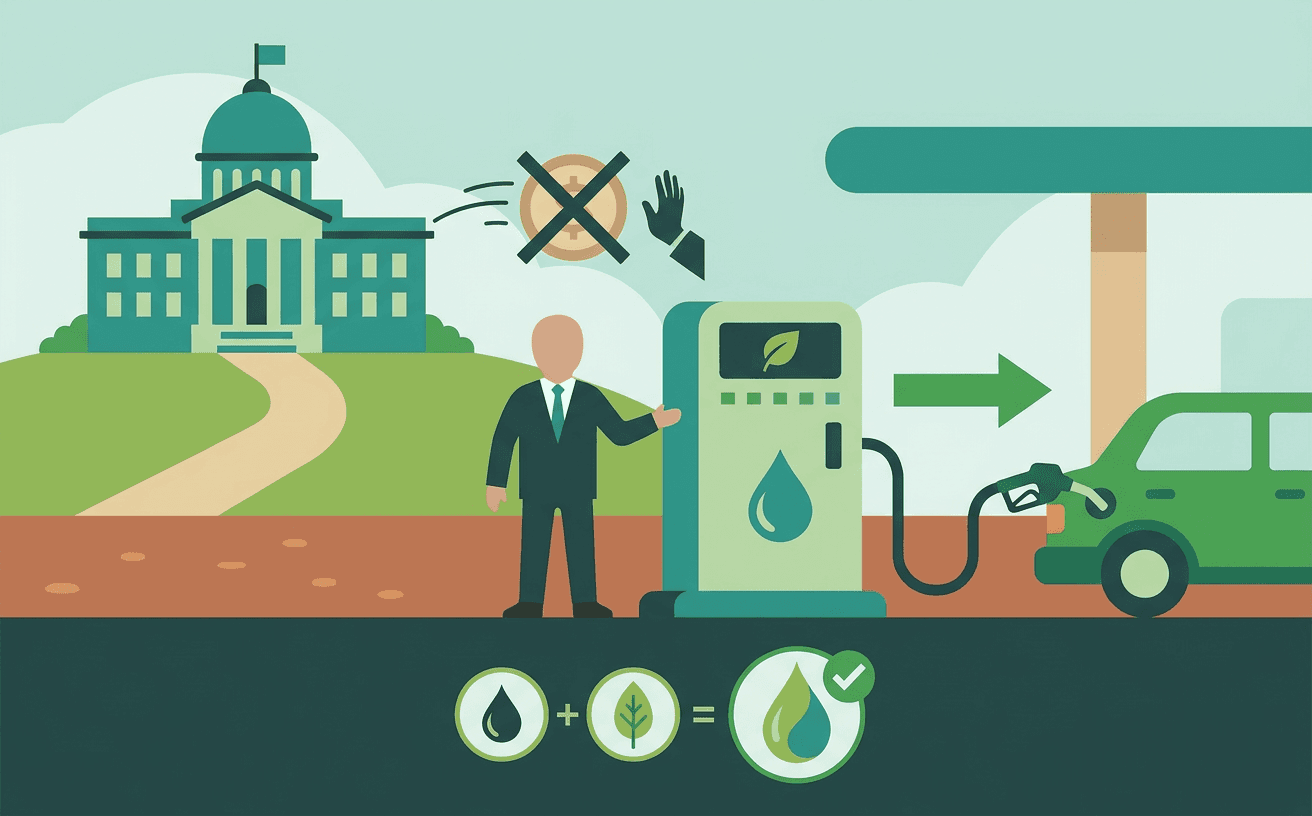
The central government has exempted petrol blended with 22% to 30% ethanol from central excise duty to promote biofuel adoption. This follows the notifying fuel standards for these higher blends, setting the stage for their future commercial rollout after the successful achievement of the 20% ethanol blending target under the .
Exam perspectives
The exemption of central excise duty on higher ethanol blends is a strategic fiscal policy move. By waiving this tax, the government lowers the effective cost of these biofuels, making them economically competitive against conventional fossil fuels. This tax expenditure (revenue foregone by the government to achieve a policy goal) is justified by long-term economic benefits. Increasing ethanol blending directly targets India's massive crude oil import bill, which is a major component of the Current Account Deficit. By substituting imported oil with domestically produced ethanol, India enhances its energy security and saves precious foreign exchange. Furthermore, this policy provides a substantial boost to the agricultural sector, as ethanol in India is primarily derived from sugarcane molasses, damaged food grains, and maize. This creates an alternative, stable market for farmers, potentially improving rural incomes and supporting the broader agro-processing industry.
The push towards higher ethanol blends is a core component of India's Energy Transition strategy and its commitments under the Paris Agreement to reduce the emissions intensity of its GDP. Ethanol is a cleaner-burning fuel compared to neat petrol; it contains oxygen, which results in more complete combustion and a significant reduction in tailpipe emissions of harmful pollutants like carbon monoxide and unburnt hydrocarbons. By promoting blends up to 30% (E30) and even introducing E85, the Ethanol Blended Petrol Programme directly addresses urban air quality concerns. Furthermore, the lifecycle carbon emissions of ethanol can be lower than fossil fuels, provided sustainable agricultural practices are used, thus contributing to climate change mitigation. UPSC often asks about the environmental trade-offs of biofuels; candidates must understand both the benefits of reduced tailpipe emissions and the potential challenges related to land use change and water consumption in sugarcane cultivation.
The implementation of the higher ethanol blending program highlights the crucial role of regulatory bodies and standardized frameworks. The article notes that blending ethanol at the depot level is considered a 'manufacturing activity' subject to excise duty, necessitating the specific exemption by the Ministry of Finance. Moreover, the commercial rollout of E22-E30 blends is contingent upon the Bureau of Indian Standards establishing the necessary technical specifications. This demonstrates how standard-setting is a prerequisite for market development. The government's cautious approach—stating that the tax exemption is merely a 'preliminary prerequisite' and that rollout requires 'extensive testing and consultation'—reflects sound policy implementation principles, ensuring that vehicle engines are compatible with higher blends before wide-scale introduction to prevent consumer harm or technical failures.
Key references
AI-generated study notes, sourced from The Hindu. Verify facts and figures with standard sources.