
National Testing Agency announces NEET-UG re-exam on June 21
Context
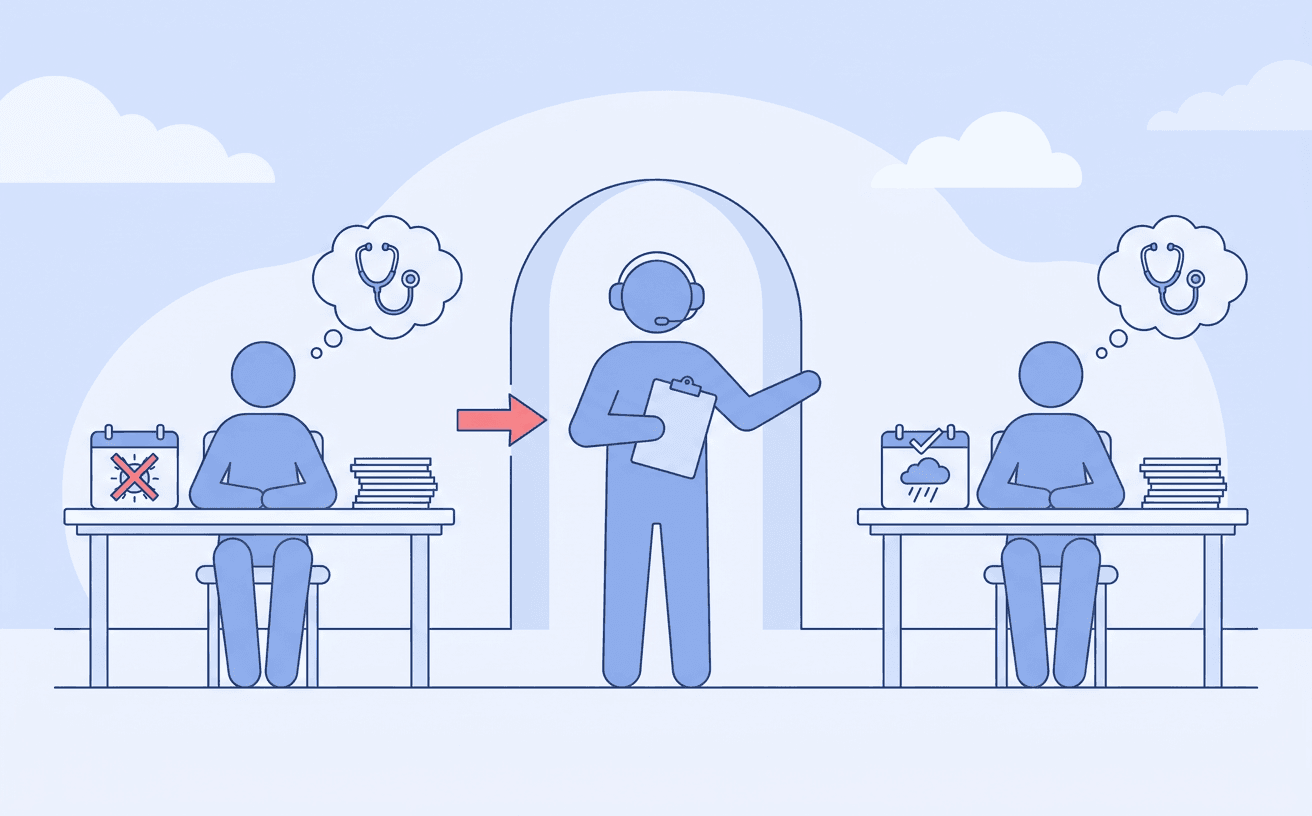
The has announced the reconduct of the NEET-UG medical entrance examination on June 21, following the cancellation of the May 3 exam due to alleged irregularities. The cancellation, approved by the following a review by the , has prompted an investigation by the into the compromised examination process.
Exam perspectives
This incident highlights critical challenges in maintaining the integrity of large-scale public examinations, a core function of the state. The National Testing Agency (NTA), established under the Societies Registration Act, 1860, acts as a premier, autonomous, and self-sustained testing organization to conduct entrance examinations for higher educational institutions. When systemic failures occur, it undermines public trust in merit-based selection processes. The involvement of the Central Bureau of Investigation (CBI) indicates a potential breakdown in cybersecurity or physical security protocols (paper leaks). For UPSC Mains (GS Paper 2), this serves as a potent case study on governance reforms required in educational institutions, emphasizing the need for robust technological interventions, stringent auditing mechanisms, and enhanced institutional accountability to prevent such systemic failures.
The involvement of multiple agencies underscores the complex federal and institutional structure of Indian administration. Education is in the Concurrent List (Seventh Schedule), making it a shared responsibility between the Centre and States. While the NTA is a central body, the exams are conducted nationwide, requiring coordination with state machinery (as evidenced by the Bihar Police warning). Furthermore, the CBI investigation brings into focus the jurisdiction and role of central investigative agencies in matters of national interest. This scenario can be analyzed under the framework of cooperative federalism and the effectiveness of statutory/regulatory bodies. Students should prepare for questions regarding the structure, mandate, and autonomy of bodies like the NTA and the overarching role of the Ministry of Education in ensuring standardized and fair assessment processes.
The cancellation and rescheduling of high-stakes exams like NEET-UG have profound social and psychological impacts. It exacerbates the stress on millions of students competing for limited seats in medical colleges, a sector already burdened by intense competition and commercialized coaching cultures. This situation reflects broader issues of educational equity and access. The anxiety caused by systemic irregularities disproportionately affects marginalized students who may lack the resources to sustain prolonged preparation periods or afford expensive coaching. From a social justice perspective (GS Paper 2), this highlights the urgent need for systemic reforms to make the education system more resilient, transparent, and less traumatizing for aspirants. It also points to the broader debate on the over-reliance on a single, high-stakes examination for professional course admissions.
Key references
AI-generated study notes, sourced from The Hindu. Verify facts and figures with standard sources.