
Ship carrying Iranian oil shifts course midway from India to China
Context
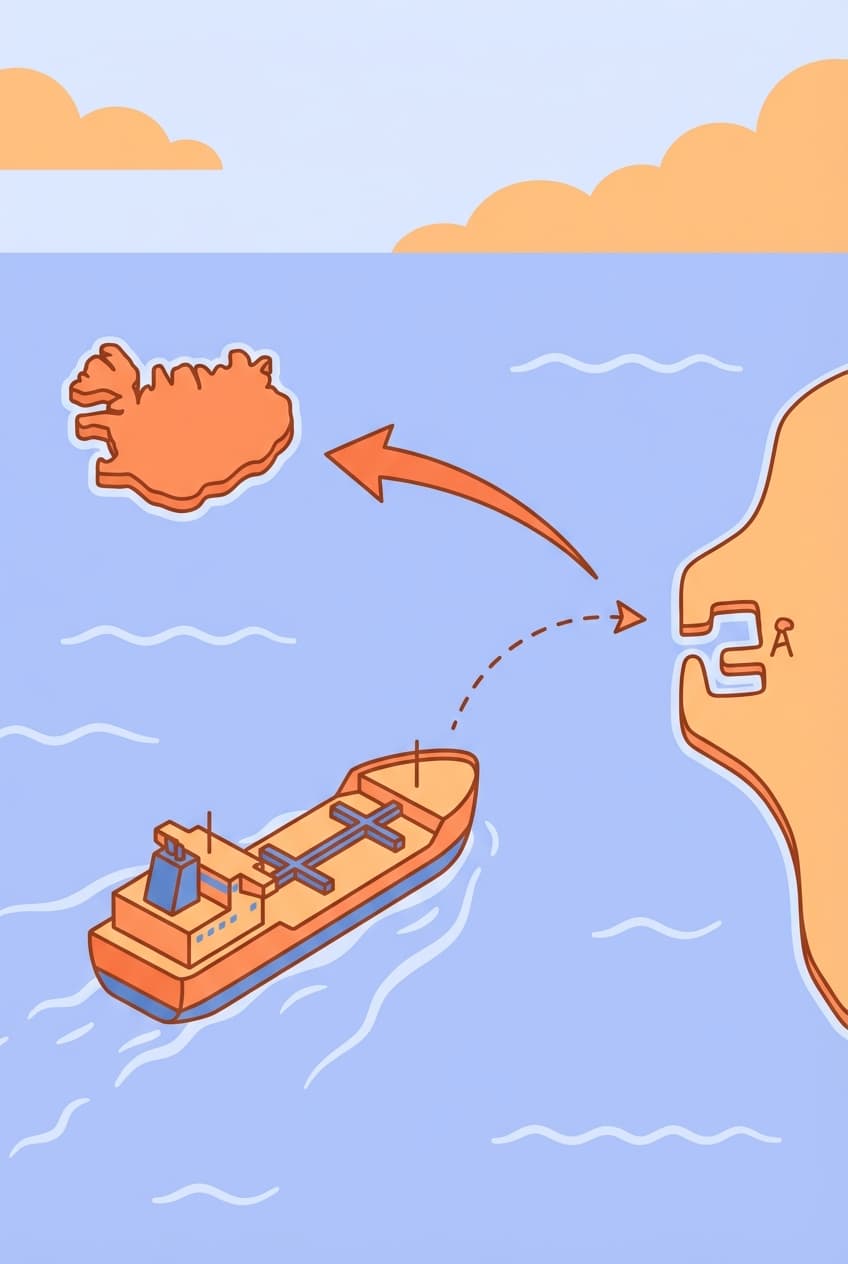
An oil tanker carrying Iranian crude, initially destined for India's Vadinar port, has rerouted to China mid-voyage. This development is significant as it would have been India's first purchase of Iranian crude since 2019. The change is reportedly due to payment settlement issues, highlighting the complexities of trading with a sanctioned nation, even under a temporary U.S. waiver. The incident underscores the delicate balance India must strike between its energy needs, geopolitical pressures, and financial risks.
Exam perspectives
This event directly impacts India's Energy Security, a critical component of economic stability. India imports over 85% of its crude oil, making it highly vulnerable to price volatility and supply disruptions. Historically, Iran was a key supplier, offering favorable commercial terms and compatible crude grades for Indian refineries. The cessation of this trade since 2019, due to U.S. sanctions, has increased procurement costs for India. The current rerouting, attributed to payment difficulties stemming from Iran's exclusion from the SWIFT banking network, showcases the practical barriers to resuming this trade. For UPSC, this illustrates the tangible economic consequences of geopolitical sanctions, forcing India to rely on more expensive alternatives and affecting its trade deficit and inflation. The destination refinery, Nayara Energy, backed by Russian giant Rosneft, adds another layer of complexity, linking India's energy decisions to multiple global powers.
The incident is a case study in the challenges to India's strategic autonomy. India's foreign policy has historically sought to maintain independent decision-making, particularly in securing its national interests like energy. However, the influence of secondary sanctions by the U.S. effectively curtailed a major bilateral energy relationship with Iran. While a temporary 30-day sanctions waiver by Washington created a potential opening, the underlying financial blockade on Iran remains a powerful deterrent. This situation forces India to navigate a complex triangular relationship with the U.S. and Iran. Resuming trade could signal a reassertion of strategic autonomy, but failure to do so, as seen here, highlights the constraints imposed by the U.S.-led global financial architecture and its use as a foreign policy tool. For Mains, this links to GS Paper 2 topics on 'bilateral relations' and 'effect of policies of developed and developing countries on India’s interests'.
The payment mechanism is the core governance challenge highlighted by this event. Iran's disconnection from the SWIFT (Society for Worldwide Interbank Financial Telecommunication) system since 2018 makes direct dollar or euro transactions nearly impossible, creating significant counterparty and financial risk. India previously used a rupee-rial mechanism and routing through third-country banks, but these have become untenable under the tightened sanctions regime. The failure to secure this cargo, despite a U.S. waiver, suggests that the techno-commercial feasibility cited by the oil ministry is heavily constrained by international financial governance structures. This links to internal security by highlighting how energy security is tied to financial and geopolitical stability. A failure to diversify sources and create resilient payment systems, such as a more robust Digital Rupee-based alternative, leaves India's energy supply chain vulnerable to external policy decisions, which has long-term security implications. The episode underscores the need for building alternative trade routes and robust payment mechanisms to circumvent such geopolitical chokepoints. While the proposed International North-South Transport Corridor (INSTC) aims to create alternative logistical and trade routes, dedicated financial infrastructure solutions would be needed to address payment system bypasses.
Key references
AI-generated study notes, sourced from The Hindu. Verify facts and figures with standard sources.