
Tackling takedowns: On the government and online censorship
Context
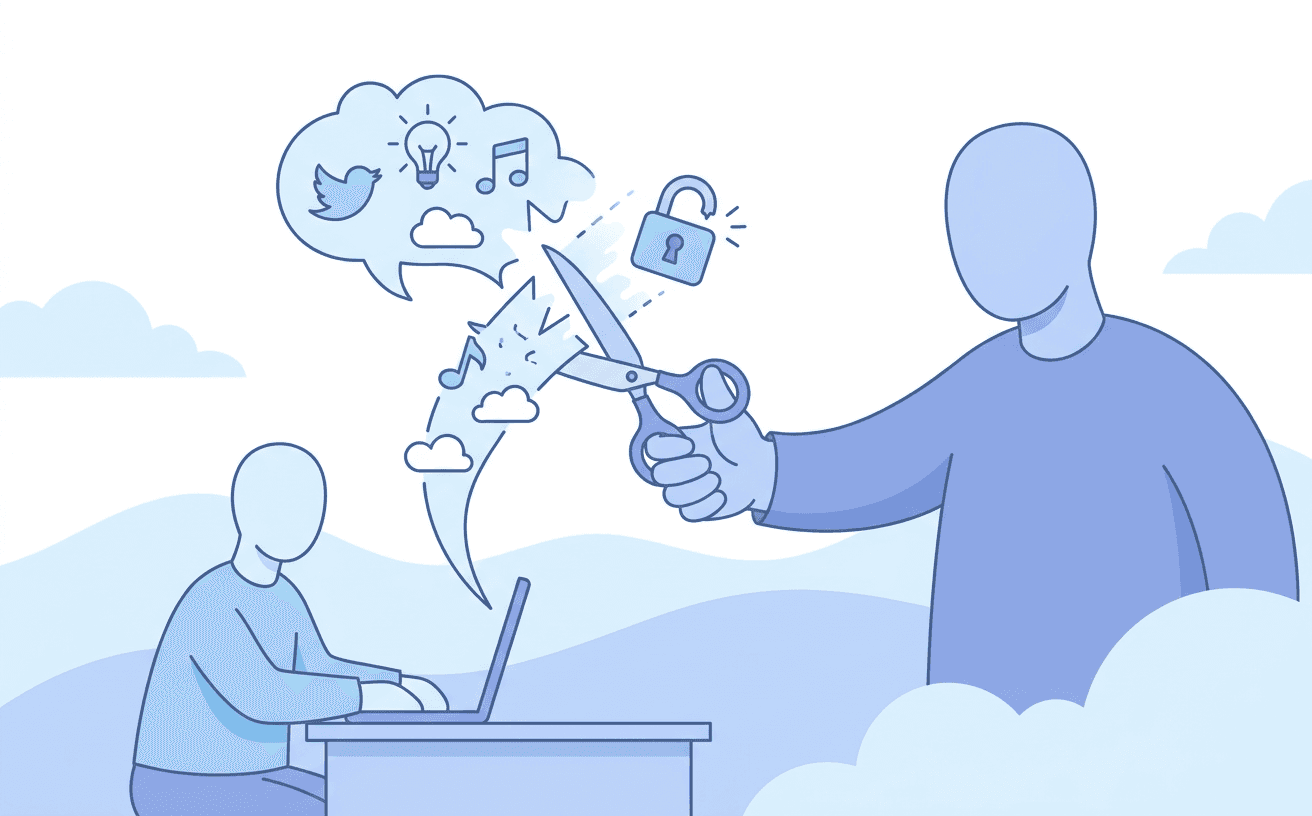
An editorial in The Hindu raises concerns about the Indian government's increasing misuse of its powers to censor lawful speech online. It argues that amendments to the and the weaponization of and of the are creating a despotic regime that silences dissent, bypasses constitutional safeguards, and pressures social media platforms into compliance.
Exam perspectives
The core constitutional issue here revolves around Article 19(1)(a), which guarantees freedom of speech and expression. While this right is subject to 'reasonable restrictions' under Article 19(2), the editorial highlights how current practices, enabled by the IT Rules, 2021, bypass judicial oversight and procedural safeguards. The government's ability to issue takedown orders under Section 69A of the IT Act, 2000 often occurs under a veil of secrecy, raising concerns about lack of transparency and accountability. Furthermore, the article argues that the use of the Sahyog portal by police officials supercharges censorship requests without explicit statutory backing, potentially violating the principle of rule of law. The editorial also references the landmark Shreya Singhal vs Union of India judgment, which struck down Section 66A of the IT Act and laid down clear guidelines for takedown orders, suggesting that current practices are eroding this precedent.
The governance challenge lies in balancing the need for regulating harmful content (like AI-generated deepfakes or inciting material) with protecting free speech and an open internet. The IT Rules, 2021 introduced stringent compliance requirements for social media intermediaries, significantly reducing the turnaround time for taking down content. The editorial suggests this creates a chilling effect, where platforms, fearing the loss of their safe harbour protection (immunity from liability for user-generated content under Section 79 of the IT Act) or personal criminal liability for executives, opt to comply automatically rather than contest questionable orders. This effectively shifts the burden of adjudication from the judiciary to private corporations. The lack of published data on the volume and nature of these takedown requests points to a significant deficit in public accountability and good governance practices.
From an internal security perspective, managing online discourse is a critical challenge. The rapid dissemination of misinformation, hate speech, or content threatening public order necessitates regulatory mechanisms. The government justifies powers under Section 69A for reasons including the sovereignty and integrity of India, defense, security of the state, and friendly relations with foreign states. However, the editorial cautions against the broad application of these powers for political ends or to stifle legitimate dissent. The weaponization of takedown provisions distorts public conversation and can be viewed as a form of information control, which is a growing concern in modern statecraft. The use of portals like Sahyog, while perhaps intended to streamline requests from law enforcement, needs robust oversight to prevent misuse and ensure actions align with constitutional mandates and established legal precedents like the Shreya Singhal vs Union of India judgment.
Key references
AI-generated study notes, sourced from The Hindu. Verify facts and figures with standard sources.