
Wealth of lacunae: On the Kudankulam nuclear plant data leak
Context
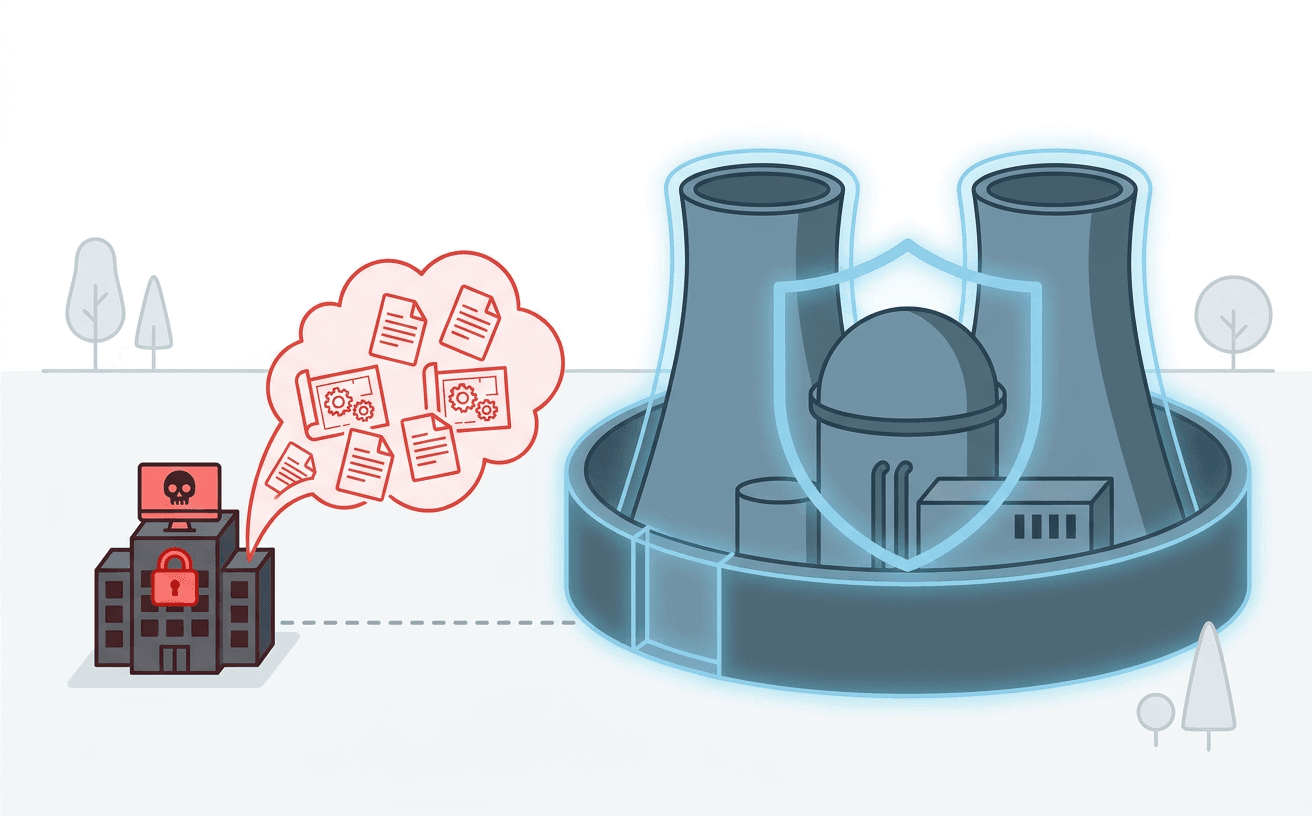
A ransomware attack targeted a contractor involved in the , leading to a data leak containing infrastructure layouts and vendor details. While the core nuclear operations remain unaffected, the incident highlights India's inconsistent cyber-breach disclosure norms and the vulnerabilities within critical infrastructure supply chains. This follows a previous malware incident at the same facility in 2019.
Exam perspectives
The protection of Critical Information Infrastructure (CII)—networks whose destruction would severely impact national security or the economy—is a core UPSC focus area. Under the Information Technology Act, 2000, National Critical Information Infrastructure Protection Centre (NCIIPC) is the nodal agency for protecting CII, which includes nuclear facilities. However, this incident exposes vulnerabilities in the supply chain, as the attack targeted a contractor rather than the core facility. The leak of floor plans and ventilation layouts, even if non-nuclear, facilitates intelligence preparation by hostile actors for future physical or cyber attacks. The growing frequency of attacks on sectors like healthcare (AIIMS Delhi) and energy underscores the urgent need for robust cyber-hygiene across all tiers of critical infrastructure contractors.
The editorial critiques India's breach disclosure regime, highlighting a culture of opacity where organizations prioritize reputational management over public safety. While CERT-In (Computer Emergency Response Team - India) mandates the reporting of severe cyber incidents within six hours under the Information Technology Act, 2000, compliance remains weak, often due to a lack of mature incident response capabilities. Treating cybersecurity merely as a compliance exercise rather than a strategic necessity creates systemic risks. Proactive communication and radical transparency are essential to build resilience, allow for timely threat intelligence sharing, and mitigate the cascading effects of a breach, especially concerning critical assets like nuclear power plants.
The Kudankulam Nuclear Power Project is central to India's energy transition and climate commitments, aiming to expand non-fossil fuel capacity. Any compromise, real or perceived, can undermine public trust in nuclear energy, often hindered by safety concerns. Furthermore, the incident highlights the threat of Ransomware, a type of malicious software designed to block access to a computer system until a sum of money is paid. The involvement of third-party data hosts like Yotta Data Services emphasizes the growing reliance on cloud infrastructure and the complex web of shared responsibility in securing data. Ensuring the integrity of the Operational Technology (OT) (systems that monitor and control physical devices) is paramount, as a breach moving from administrative networks (IT) to operational networks could be catastrophic.
Key references
AI-generated study notes, sourced from The Hindu. Verify facts and figures with standard sources.