
A sweeping new H-1B Bill has raised alarm. What does it mean for Indian students and working professionals?
Context
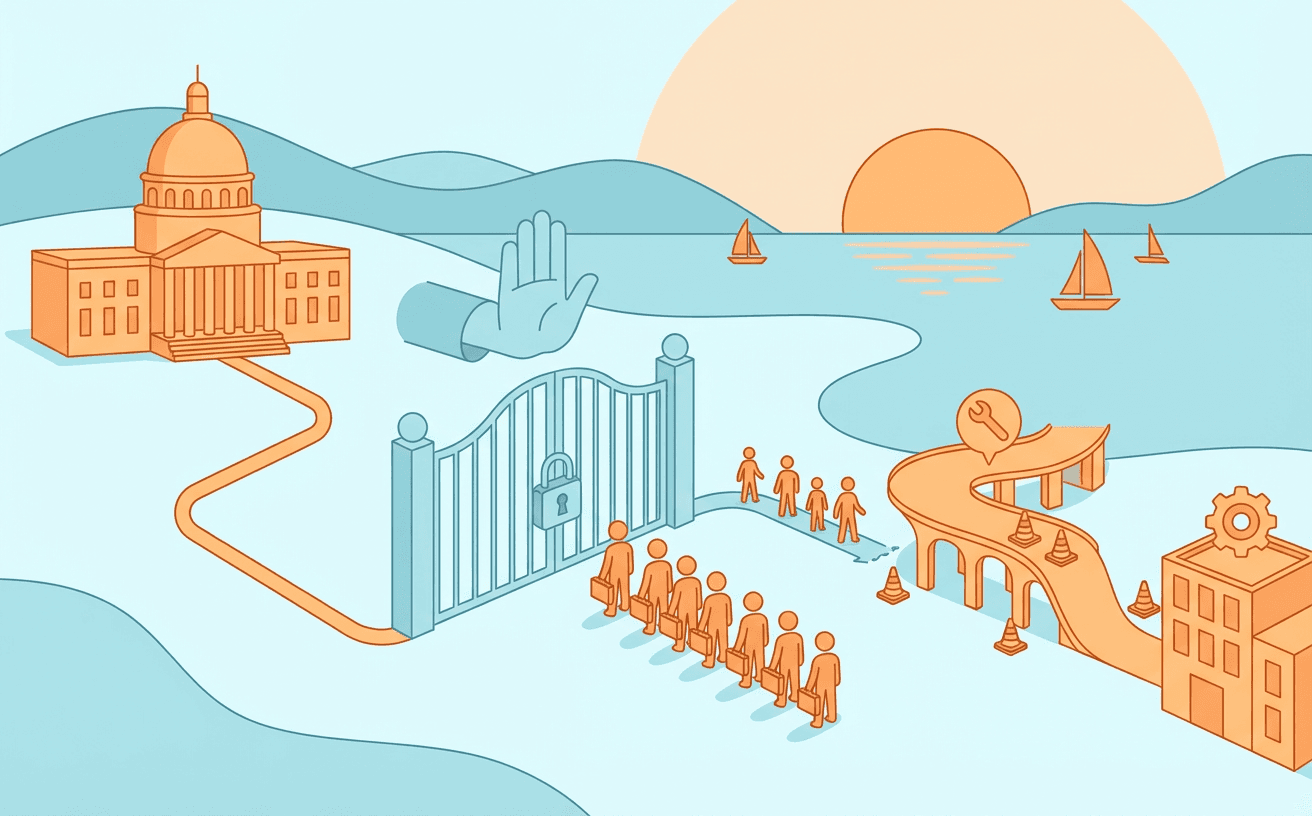
A new US bill, the End Abuse Act of 2026, proposes a sweeping overhaul of the skilled immigration system, including a three-year pause on new H-1B visas, drastically reduced caps, and an end to (OPT) for international students. This potential legislation threatens the established pathway for Indian students and professionals moving from US universities into the American workforce and eventually toward permanent residency.
Exam perspectives
This development must be viewed through the lens of Bilateral Relations and the role of the Indian Diaspora. India is the largest beneficiary of the H-1B visa program, and the proposed changes would disproportionately impact Indian professionals and students. The H-1B visa is a non-immigrant visa that allows US companies to employ foreign workers in specialty occupations requiring theoretical or technical expertise. Any disruption to this program directly impacts India's soft power and economic linkages with the US. It raises questions about the mobility of skilled labour, a key component of modern economic diplomacy. For UPSC, this highlights the vulnerability of the Indian Diaspora to domestic political shifts in host countries and the need for robust diplomatic engagement to protect their interests.
The proposed bill aims to alter the economic dynamics of skilled labour by setting a very high minimum salary threshold ($200,000) and replacing the lottery system with a wage-based selection. This approach theoretically aims to prioritize highly skilled workers and protect domestic labour markets from being undercut. However, this creates an economic distortion. As argued by experts, this shifts the advantage away from genuine skill towards companies with the largest financial resources, potentially hurting startups and sectors like academia or healthcare that cannot match corporate tech salaries. From an Indian perspective, the restriction on Optional Practical Training (OPT) acts as a severe deterrent to human capital export. If implemented, this could lead to a redirection of highly skilled Indian talent to alternative destinations like Canada, the UK, or back to India (potentially reversing brain drain), which would alter global talent flows and impact remittances.
The introduction of this bill is a clear example of domestic politics driving immigration policy. The bill, even if unlikely to pass the US Senate due to the 60-vote threshold requirement, serves as a strong political signaling mechanism to constituents concerned about job security and the perceived negative impacts of immigration. This phenomenon, often termed protectionism in the labour market, reflects growing economic anxiety in host nations. For UPSC aspirants, understanding the legislative process in the US (such as the difference between introducing a bill in the House and passing it in the Senate) is crucial for analyzing the actual viability of such policies. It also highlights the tension between a country's economic need for skilled foreign labour and domestic political pressures advocating for restrictive immigration measures.
Key references
AI-generated study notes, sourced from Indian Express. Verify facts and figures with standard sources.