
Anti-CEC protest LIVE updates: SC stops illegal detention, orders restoration of Internet and metro services; CJP vows to continue protests, alleges 'emergency-like situation'
Context
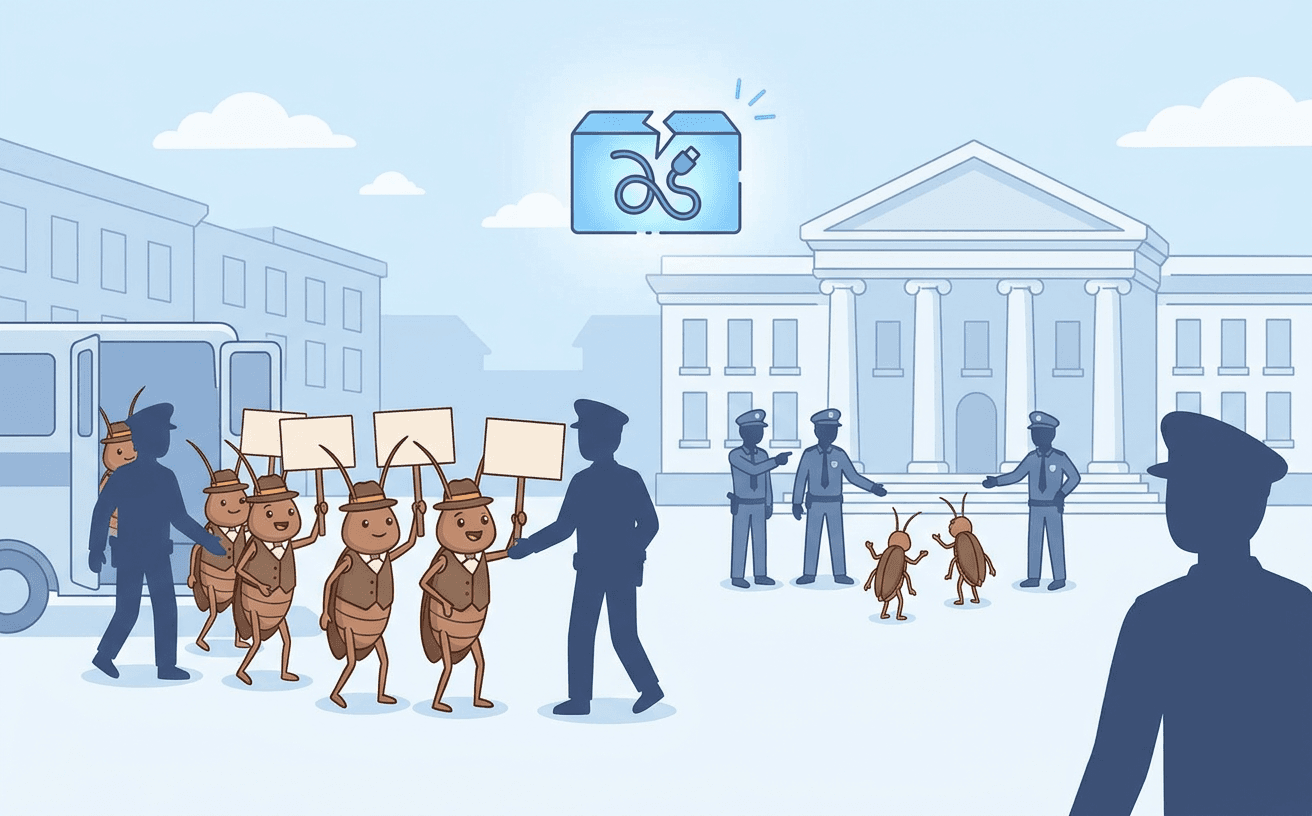
Protests by the Cockroach Janata Party (CJP) demanding the resignation of the Chief Election Commissioner led to detentions, allegations of assault by security forces, and the suspension of internet and metro services in Delhi. The Supreme Court intervened, ordering an end to illegal detentions and the restoration of communication and transport services, emphasizing the right to peaceful protest.
Exam perspectives
This incident highlights the delicate balance between the fundamental right to protest and the State's duty to maintain public order. Under Article 19(1)(a) and Article 19(1)(b) of the Constitution, citizens have the right to freedom of speech and expression and to assemble peaceably without arms. However, these rights are subject to 'reasonable restrictions' under Article 19(2) and Article 19(3) in the interests of sovereignty, integrity, and public order. The Supreme Court's intervention underscores the principle of proportionality – State action restricting fundamental rights must be proportionate to the threat posed. The court's order against 'illegal detention' acts as a safeguard against arbitrary state power, often exercised through preventive detention laws or sections of the Code of Criminal Procedure (like Section 144). The demand for the CEC's resignation also brings focus to the independence of the Election Commission of India and the procedures for appointing and removing its members, a topic of frequent debate and recent legislative changes.
The suspension of internet and metro services is a contentious governance tool used to control crowds and prevent the spread of misinformation during protests. The Supreme Court has previously established, notably in the Anuradha Bhasin case, that the right to access the internet is a fundamental right protected under Article 19. Any suspension of internet services must adhere to the Temporary Suspension of Telecom Services (Public Emergency or Public Safety) Rules, 2017, requiring an order from a competent authority detailing the reasons, which are subject to judicial review. The court's directive to restore these services 'subject to law and order conditions' reinforces that blanket bans are generally disfavored and should only be employed as a last resort when lesser restrictive measures fail. The international concern expressed by the UN human rights body also highlights the global scrutiny over India's management of dissent and adherence to international human rights standards.
The management of large-scale political protests in the national capital presents significant internal security challenges. The alleged assault by CRPF personnel points to the potential for excessive use of force by security agencies engaged in riot control. Security forces are trained to use gradual and proportionate force, but escalations often occur. The State faces the challenge of differentiating between peaceful demonstrators and potential disruptors. The use of conditional release ('no breach of peace for a year') is a legal mechanism to deter repeat offenses but must be applied judiciously to avoid stifling legitimate political activity. This scenario underscores the need for continuous training of security personnel in crowd management techniques that prioritize de-escalation and respect for human rights, while simultaneously ensuring the safety of public property and maintaining normalcy in critical infrastructure like the Delhi Metro.
Key references
AI-generated study notes, sourced from The Hindu. Verify facts and figures with standard sources.