
BRICS flags unilateral tariffs, trade barriers as global risks
Context
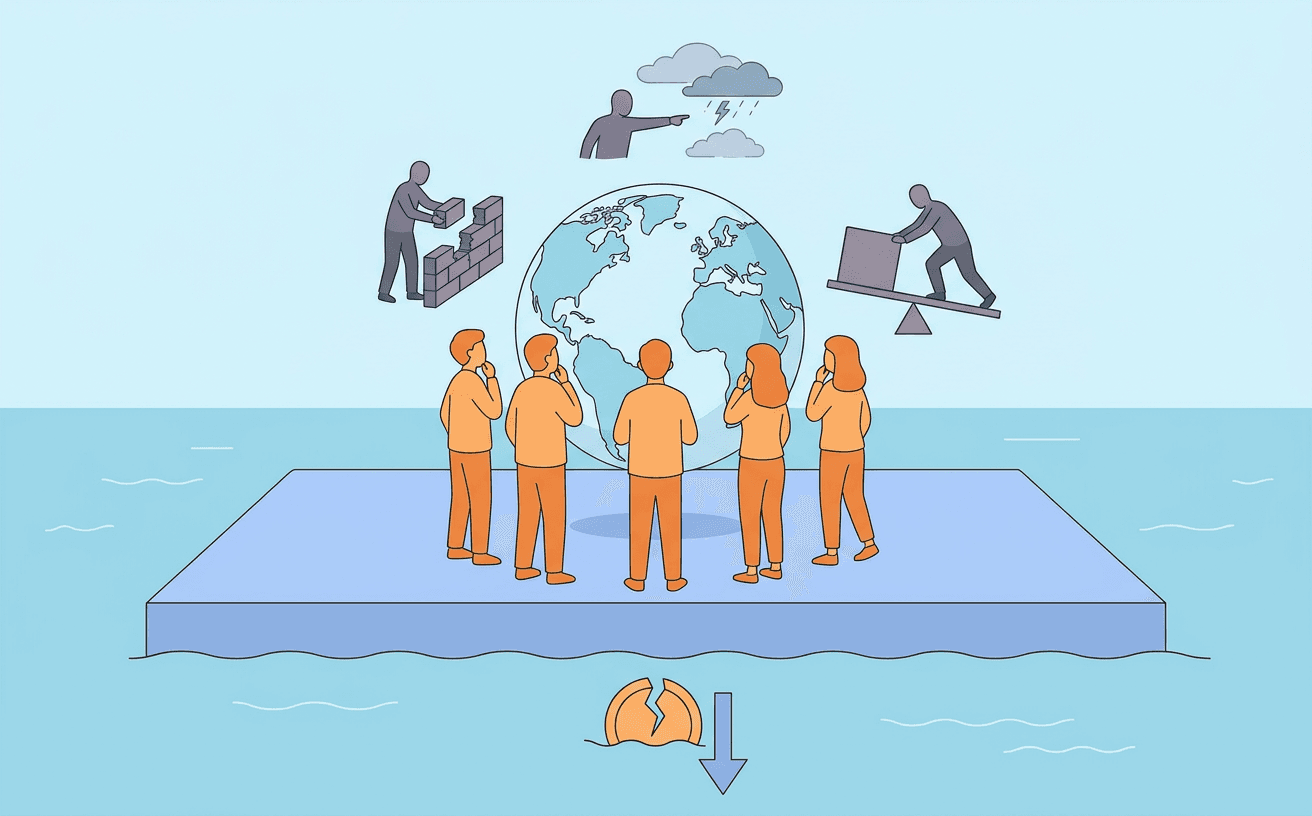
The grouping, in a joint statement, raised concerns over the global economic outlook, highlighting geopolitical tensions, unilateral tariffs, and growing protectionism as key risks. It reiterated its demand for reforms in global economic governance, particularly in the and Bretton Woods Institutions like the and , to ensure better representation for the Global South.
Exam perspectives
The news underscores the tension between multilateralism (trade based on common rules) and protectionism (shielding domestic industries via tariffs/quotas). Unilateral tariffs and non-tariff barriers distort international trade and contradict the principles of the World Trade Organization (WTO). The BRICS statement highlights how such 'trade fragmentation' disproportionately hurts emerging markets and developing economies (EMDEs). From a UPSC perspective, understand the implications of a weakened WTO dispute settlement mechanism and the rising trend of 'friend-shoring' or 'near-shoring' (restricting supply chains to allied nations), which undermines open, rules-based global trade. The article points to the need for strengthening economic resilience through development finance and international cooperation.
This statement reflects the core agenda of BRICS: acting as a voice for the Global South and challenging the Western-dominated global governance architecture. The demand to reform the International Monetary Fund (IMF) and World Bank—often criticized for their unequal voting structures—is a long-standing goal. The grouping specifically called for the implementation of the IMF’s 16th General Review of Quotas (which aims to realign quota shares to better reflect the economic weight of emerging economies). For UPSC Mains (GS-2), this represents the broader geopolitical shift from a unipolar to a multipolar world order. Aspirants should analyze how BRICS is evolving from a mere dialogue forum to an entity seeking tangible changes, including exploring alternatives like local-currency settlements to bypass the dominance of the US dollar.
India’s proposal to host a BRICS Risk Lab at the GIFT City (Gujarat International Finance Tec-City) highlights a strategic move towards financial self-reliance within the bloc. GIFT City is India's first operational smart city and International Financial Services Centre (IFSC), designed to attract foreign capital and provide a globally competitive financial ecosystem. The creation of a BRICS Insurance Resilience Centre would facilitate trade by providing an alternative to Western-dominated insurance and reinsurance markets. This reflects a 'de-risking' strategy by member states to build parallel financial infrastructure, making them less vulnerable to unilateral Western sanctions or financial shocks. Questions can be framed around the role of GIFT City in enhancing India's financial footprint globally.
Key references
AI-generated study notes, sourced from Economic Times. Verify facts and figures with standard sources.