
Fast-track courts for paper leak cases are finally taking shape. What happens next?
Context
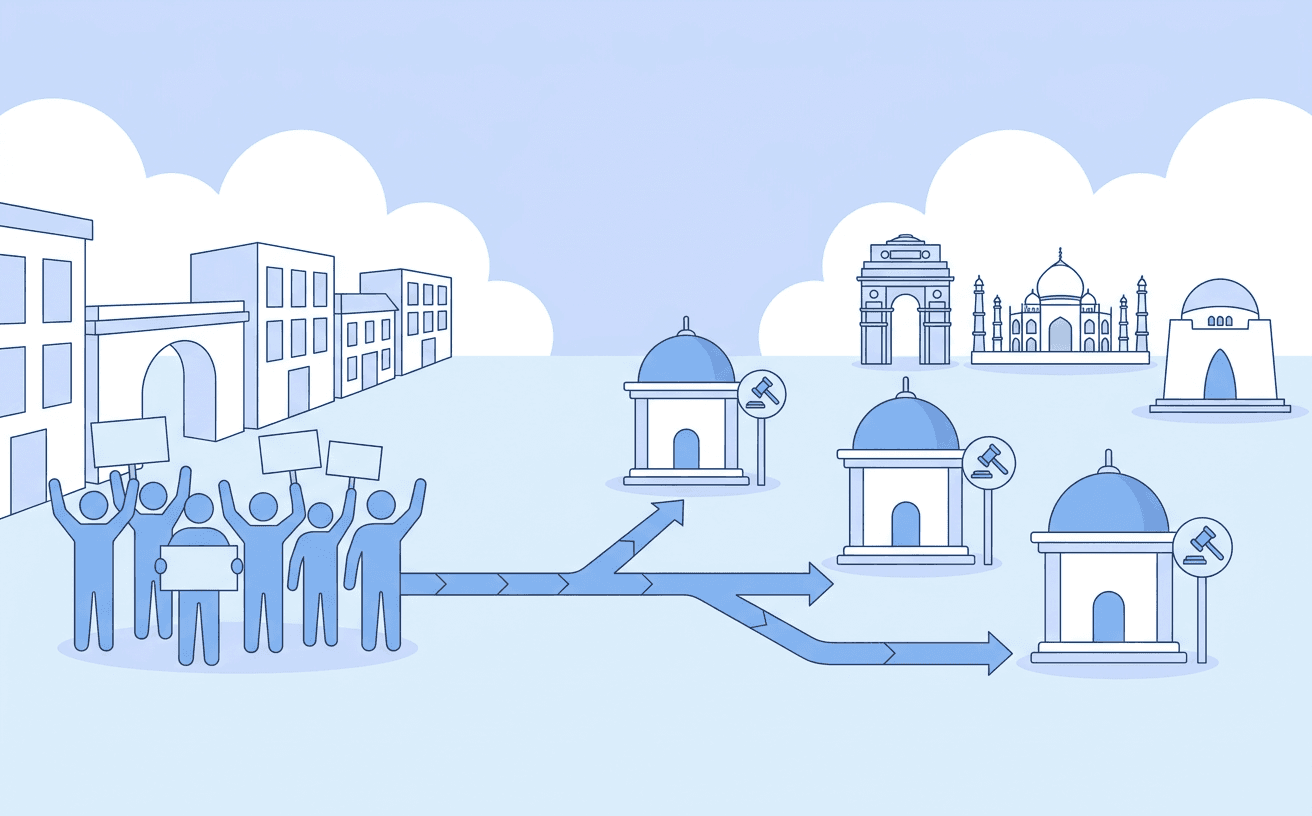
Following nationwide protests over alleged irregularities in entrance and recruitment examinations, states like Maharashtra, Delhi, and Madhya Pradesh have begun designating fast-track special courts to conduct trials under the new . This move aims to expedite justice in cases involving paper leaks and unfair means, although the actual speed of trials depends on systemic factors like infrastructure and investigation efficiency.
Exam perspectives
The establishment of fast-track courts under the Public Examinations (Prevention of Unfair Means) Act, 2024 highlights the government's focus on institutional reform to restore faith in the examination system. Fast-track courts do not follow a separate legal procedure; instead, they are existing courts designated to hear specific cases on a priority basis, often on a day-to-day schedule. While the Bharatiya Nagarik Suraksha Sanhita (BNSS) suggests trials should ideally conclude within two years, the effectiveness of these special courts depends on overcoming systemic bottlenecks. These include delays in investigations, non-availability of witnesses, and inadequate judicial infrastructure. For UPSC, this illustrates the broader challenge of judicial pendency and the limitations of administrative fixes without addressing the root causes of investigative and infrastructural inefficiencies.
The Public Examinations (Prevention of Unfair Means) Act, 2024 represents a significant legislative intervention to criminalize malpractices in public examinations. It acts as a central framework, complementing existing state laws like the Maharashtra Prevention of Malpractices at University, Board and Other Specified Examinations Act, 1982. The central Act identifies 15 categories of "unfair means" and prescribes stringent punishments, including 3-5 years of imprisonment, which can extend to 10 years for organized crime syndicates. This demonstrates the use of statutory law to address a growing national concern that affects the fundamental right to equality of opportunity (Article 16) in public employment. The interplay between central and state laws in this domain is a crucial aspect of cooperative federalism, as both levels of government seek to regulate an issue that spans state borders and central institutions.
The recurrent issue of paper leaks severely undermines the integrity of the education and employment systems, disproportionately impacting millions of aspiring youth, particularly those from marginalized backgrounds who rely on public examinations for upward social mobility. The nationwide outrage that precipitated the Public Examinations (Prevention of Unfair Means) Act, 2024 underscores the deep societal anxiety regarding meritocracy and fairness. When exams are compromised, it breeds cynicism and erodes trust in state institutions. The effectiveness of the newly designated fast-track courts will be a critical test of the state's ability to ensure distributive justice by penalizing those who subvert the system and safeguarding the prospects of honest candidates.
Key references
AI-generated study notes, sourced from Indian Express. Verify facts and figures with standard sources.