
For antibiotics, the right dose is restraint
Context
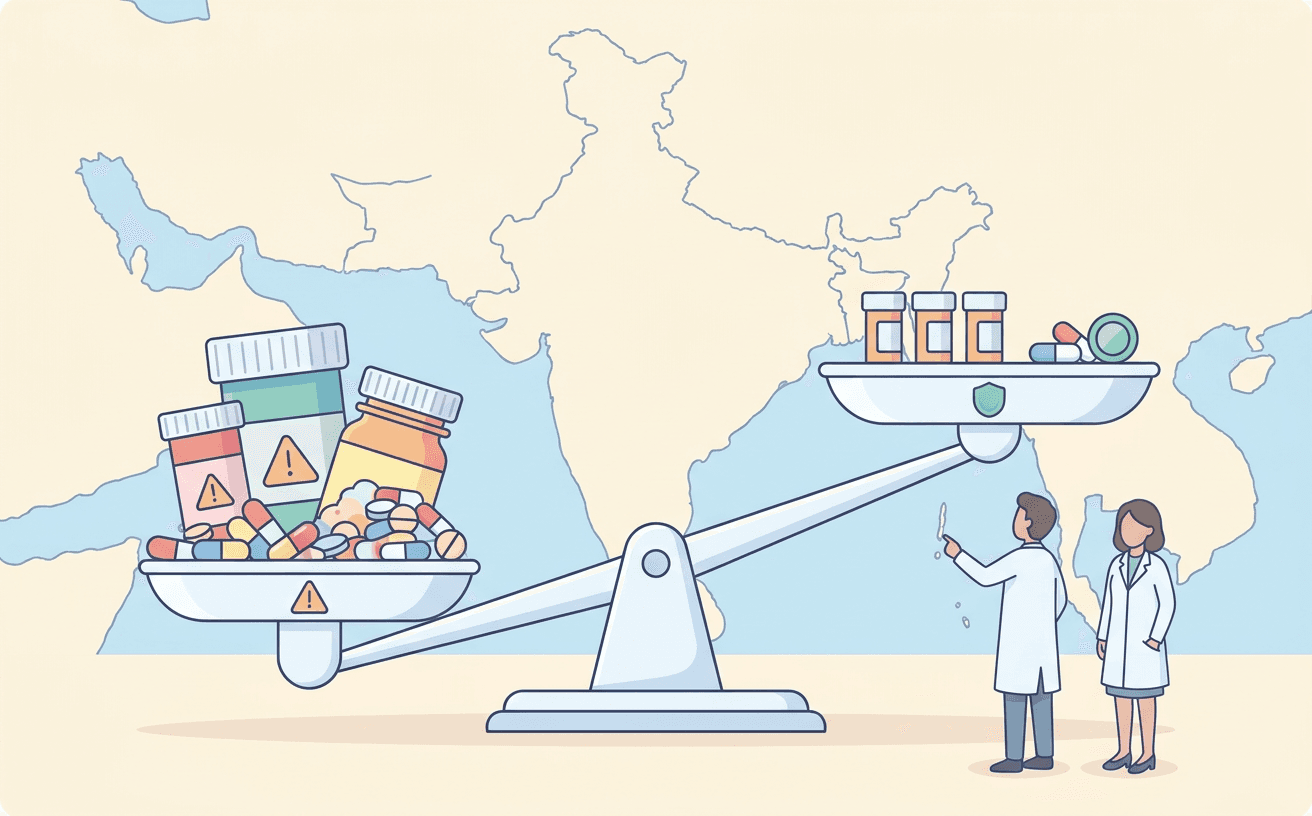
A recent study published in reveals a concerning imbalance in India's antibiotic consumption, characterized by an over-reliance on broad-spectrum 'watch' drugs and an underuse of first-line 'access' and 'reserve' drugs. This pattern exacerbates India's growing crisis of , necessitating an urgent shift towards evidence-based care and strict adherence to the .
Exam perspectives
The fragmented healthcare delivery system and poor diagnostic access in India contribute significantly to irrational antibiotic prescriptions. The World Health Organization (WHO)'s AWaRe classification system categorizes antibiotics into Access (first-line), Watch (broader-spectrum, restricted use), and Reserve (last resort) groups to optimize use and reduce Antimicrobial Resistance (AMR). The The Lancet Public Health study highlights a systemic failure where 'watch' drugs are overused (9.3 doses vs. recommended 6) while 'access' drugs are underused (4.5 doses). This highlights a critical governance gap in ensuring the right medicine reaches the right patient. Addressing this requires robust antimicrobial stewardship, a core pillar of the National Action Plan on Antimicrobial Resistance (NAP-AMR) 2.0 (2025-2029). The plan focuses on curbing inappropriate usage across human, animal, and agricultural sectors, demanding stricter compliance mechanisms across the pharmaceutical supply chain to control over-the-counter sales and irrational fixed-dose combinations. UPSC aspirants should analyze the governance challenges in implementing such stewardship programs in a decentralized and heavily privatized healthcare system.
The social dimension of antibiotic misuse is deeply intertwined with patient expectations and the pressures on healthcare professionals. In an overstretched healthcare system, prescribing broad-spectrum antibiotics often acts as a quick-fix reassurance for both patients seeking rapid recovery and doctors managing high caseloads. However, this immediate convenience has severe long-term consequences, as each unnecessary dose fuels Antimicrobial Resistance (AMR), narrowing future treatment options. The underuse of 'reserve' antibiotics in genuinely resistant cases further underscores the failure to deliver appropriate care to those who need it most. This social behavior highlights a critical lack of awareness regarding the dangers of AMR among the general public and healthcare providers alike. Effective public health campaigns and behavioral interventions are crucial to change prescribing habits and patient expectations. The liberal use of antibiotics in agriculture and animal husbandry also poses a significant public health threat, demanding a One Health approach that recognizes the interconnectedness of human, animal, and environmental health.
From a scientific perspective, Antimicrobial Resistance (AMR) occurs when bacteria, viruses, fungi, and parasites change over time and no longer respond to medicines, making infections harder to treat and increasing the risk of disease spread, severe illness, and death. The over-reliance on 'watch' antibiotics accelerates this evolutionary process by exposing bacteria to broader-spectrum drugs unnecessarily, selecting for resistant strains. The World Health Organization (WHO) has declared AMR as one of the top 10 global public health threats facing humanity. Addressing AMR requires not only optimizing current antibiotic use through the AWaRe framework but also significant investments in research and development for new diagnostics, antibiotics, and alternative therapies like phage therapy. The challenge lies in balancing the immediate need for effective treatment with the long-term necessity of preserving the efficacy of existing antibiotics. Aspirants should understand the biological mechanisms of AMR, the importance of the AWaRe classification, and the role of innovation in combating this silent pandemic.
Key references
AI-generated study notes, sourced from Indian Express. Verify facts and figures with standard sources.