
'I expect India to be concerned about US pharma tariffs': Rubio on Trump's 200% storm
Context
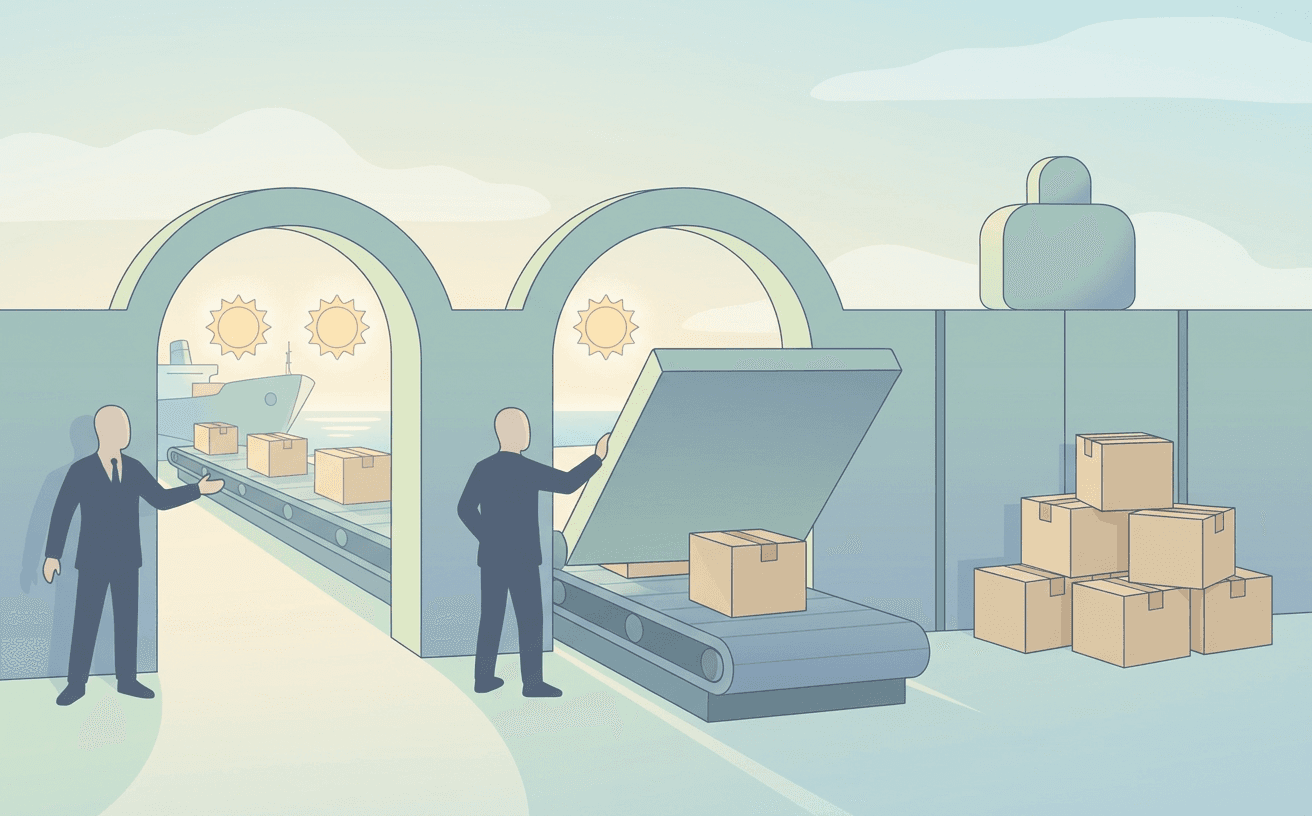
US President Donald Trump has announced a proposed phased tariff plan targeting imported generic drugs, starting with a 0% tariff for two years from August 2026, subsequently escalating to 100% for one year, and then 200%. The policy aims to incentivize the relocation of generic pharmaceutical manufacturing back to the United States. While US Secretary of State Marco Rubio indicated the issue wasn't explicitly raised during recent meetings with India's External Affairs Minister, it represents a significant potential challenge for the Indian pharmaceutical industry, a major exporter of generic drugs to the US.
Exam perspectives
This development is a textbook example of protectionism, an economic policy designed to shield domestic industries from foreign competition through methods like tariffs (taxes on imports). The stated goal is import substitution, aiming to replace foreign-made generic drugs with those manufactured within the US. For India, known as the 'pharmacy of the world', this poses a severe threat to its export revenues. India is the largest provider of generic drugs globally, fulfilling a substantial portion of US demand. A 200% tariff would likely render Indian generics uncompetitive in the US market, potentially leading to significant job losses and reduced export earnings in the Indian pharmaceutical sector. UPSC candidates must analyze how such unilateral trade measures by a major trading partner can disrupt global supply chains and affect a developing nation's economic growth trajectory. Questions may focus on strategies for India to diversify its export markets or move up the value chain into complex generics and biosimilars to mitigate such risks.
The proposed tariffs highlight the complexities within the India-US Strategic Partnership. While political and defense ties (as seen in the Quad framework) remain strong, trade friction is a recurring theme. The US action reflects a growing trend of economic nationalism or 'America First' policies, which prioritize domestic interests over international trade norms established under the World Trade Organization (WTO). The WTO generally discourages arbitrary tariff hikes outside bound rates (the maximum tariff rate a WTO member has committed not to exceed). If implemented, this could lead to trade disputes or retaliatory measures. This scenario underscores the challenge for India's economic diplomacy: managing strong strategic relationships while protecting core economic interests. UPSC questions often test the understanding of how economic disputes are negotiated within broader strategic partnerships, and the effectiveness of multilateral institutions like the WTO in addressing such unilateral actions.
From a domestic policy perspective, this impending challenge necessitates proactive governance from the Indian state. To cushion the impact on the pharmaceutical industry, the government will need to strengthen initiatives like the Production Linked Incentive (PLI) Scheme for pharmaceuticals. The PLI Scheme aims to boost domestic manufacturing capacity and reduce reliance on imported Active Pharmaceutical Ingredients (APIs) (the raw materials for drugs), which is currently a vulnerability for India, primarily sourced from China. Furthermore, the situation highlights the need for policy support to encourage Research & Development (R&D) within the Indian pharma sector, pushing it towards innovation and patented drugs, which are currently exempt from the proposed US tariffs. Governance strategies must focus on enhancing the ease of doing business and providing robust infrastructure to make Indian manufacturing globally competitive, irrespective of tariff barriers. Candidates should link this event to broader discussions on industrial policy and achieving self-reliance (Atmanirbhar Bharat).
Key references
AI-generated study notes, sourced from Economic Times. Verify facts and figures with standard sources.