
India emerges as key diesel supplier to Europe as Russian, US flows falter
Context
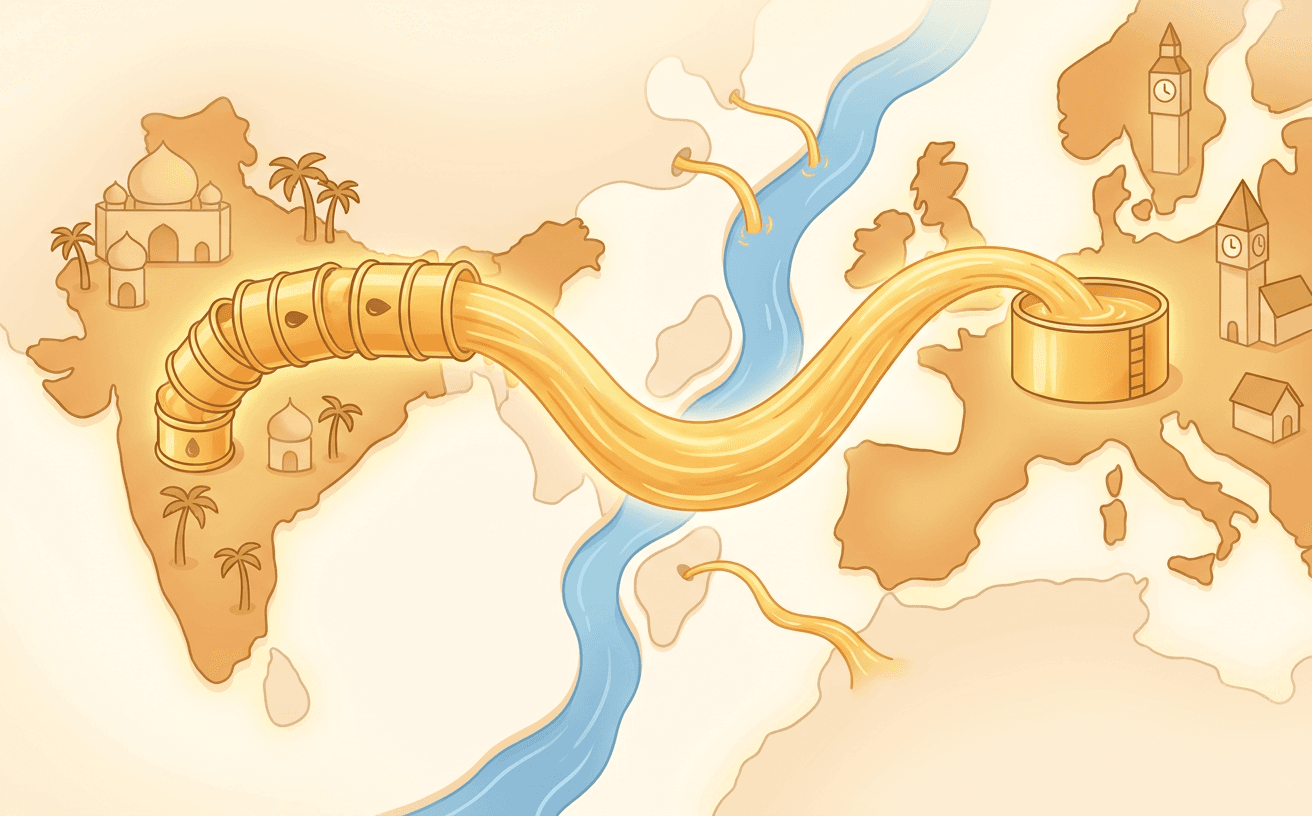
India has emerged as a crucial supplier of diesel to Europe, accounting for roughly 60% of the fuel transiting the strait in August. This shift is driven by a combination of faltering Russian exports due to the ongoing conflict and , along with declining shipments from the US. This dynamic highlights India's growing role as a major refining hub and its strategic importance in global energy security amid geopolitical realignments.
Exam perspectives
This development underscores India's strategic positioning within the global downstream sector (the refining, processing, and marketing of petroleum products). India is the world's fourth-largest refiner, possessing significant refining capacity that exceeds domestic demand. This excess capacity allows India to act as a swing producer, importing crude oil, processing it, and exporting refined products like diesel to regions facing supply crunches, such as Europe. The surge in exports highlights the resilience and competitiveness of the Indian refining industry, contributing to foreign exchange earnings and bolstering the country's current account balance. However, the article also notes a decline in crude shipments into India, indicating potential constraints on maintaining this export momentum. This raises questions about energy security and the need for diversified crude sourcing strategies to sustain India's role as a key exporter of refined products. UPSC could frame questions on the role of the refining sector in India's export profile or the economic implications of becoming a net exporter of refined petroleum products.
The changing trade flows highlight the importance of critical chokepoints in global energy transportation. The Bab-el-Mandeb strait, connecting the Red Sea to the Gulf of Aden, is a vital conduit for shipments to Europe via the Suez Canal. The article mentions that flows through this route stalled earlier in the year, likely due to security concerns in the Red Sea region. The resurgence of traffic, particularly from India, emphasizes the strait's ongoing significance. Furthermore, the mention of the Strait of Hormuz and ship-to-ship transfers offshore Oman highlights the complex logistics involved in bypassing sanctions and navigating disrupted trade routes. Understanding the geographical location and strategic importance of these maritime routes is essential for UPSC Prelims. Questions often focus on mapping key straits, their connecting bodies of water, and their role in global trade and geopolitics.
The reshuffling of global energy trade is a direct consequence of the Russia-Ukraine conflict and the subsequent Western sanctions on Russian energy exports. India's ability to refine and export products, even while importing Russian crude, demonstrates a complex balancing act in its foreign policy. India is essentially acting as an intermediary, purchasing discounted Russian crude, refining it, and selling the products to markets like Europe that have restricted direct imports from Russia. The article also notes that Russia is increasingly importing refined products, sometimes utilizing sanctioned fleets and engaging in ship-to-ship transfers, with India being one of the suppliers. This highlights the intricate ways in which international sanctions are altering global supply chains and the resulting geopolitical dependencies. UPSC Mains questions could ask candidates to analyze the impact of geopolitical conflicts on global energy security or evaluate India's strategic maneuvering in navigating complex international sanctions regimes while securing its energy interests.
Key references
AI-generated study notes, sourced from Economic Times. Verify facts and figures with standard sources.