
India in U.S. crosshairs again — White House report cites countries ‘enabling’ China’s tariff evasions
Context
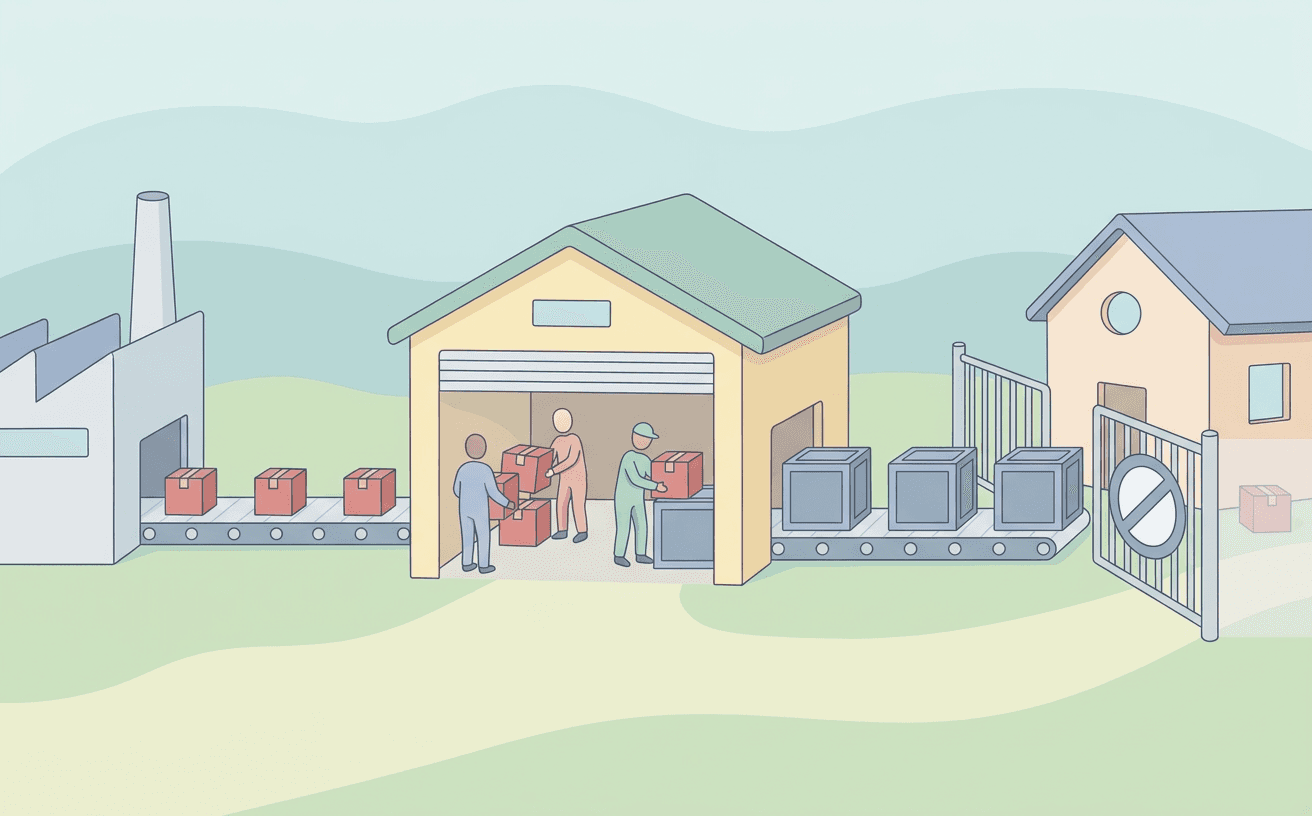
A recent White House report titled ‘The Great Transhipment Scam’ has identified India among the top 'enablers' of China's alleged efforts to evade US tariffs. The report accuses countries, including India, Mexico, and Vietnam, of acting as conduits for Chinese goods, allowing them to bypass punitive tariffs imposed by the US through practices like minor assembly or relabeling, leading to significant revenue losses for the US government.
Exam perspectives
This development highlights the complexities of global supply chains and the phenomenon of tariff arbitrage (exploiting differences in tariff rates between countries to maximize profit). The US has utilized Section 301 of the Trade Act of 1974 to impose substantial tariffs on Chinese goods, aiming to counter perceived unfair trade practices. However, the report alleges that Chinese exporters are mitigating these costs by routing goods through third countries like India, setting up 'screwdriver factories' for minimal processing to alter the product's stated origin. This practice undermines the intended economic impact of the US tariffs and creates friction in bilateral trade relations. For India, the accusation risks further scrutiny and potential retaliatory measures from the US, especially concerning the identified manufacturing hubs like the Pune-Gujarat-Chennai belt. UPSC may ask about the impact of trade wars on global value chains, the concept of Rules of Origin in international trade, and the challenges India faces in navigating the US-China economic decoupling.
The report underscores the intensifying economic and strategic competition between the US and China, often termed a 'New Cold War'. The US strategy involves not just direct tariffs but also addressing supply chain vulnerabilities and forced labor concerns, as seen with the Uyghur Forced Labor Prevention Act. India finds itself in a precarious position, seeking to benefit from the China Plus One strategy (multinational companies diversifying their supply chains away from China) while being accused of facilitating Chinese tariff evasion. This complicates India-US relations, which are already navigating differences over India's continued import of discounted Russian oil amidst the Ukraine conflict. The US Office of the United States Trade Representative (USTR) is actively monitoring these trade flows, and the threat of further tariffs on India could strain the strategic partnership. Aspirants should analyze how India can balance its domestic industrial growth objectives with its strategic partnerships, the role of institutions like the World Trade Organization (WTO) in addressing such disputes, and the geopolitical implications of fragmented global supply chains.
The issue raises important questions about regulatory oversight and industrial policy in India. While India aims to boost its manufacturing sector through initiatives like Make in India and Production Linked Incentive (PLI) schemes, the influx of Chinese components for minor assembly could undermine the goal of deep domestic value addition. Ensuring robust Rules of Origin verification mechanisms becomes crucial for Indian authorities to distinguish between genuine domestic manufacturing and mere transshipment. The government needs to balance the requirement of imported components for its industries with the need to protect its trade relationships from allegations of being a conduit for tariff evasion. Questions could focus on the effectiveness of India's current customs and trade regulatory frameworks, the challenges in enforcing Rules of Origin in complex supply chains, and the policy interventions required to foster a genuinely self-reliant manufacturing ecosystem while engaging in global trade.
Key references
AI-generated study notes, sourced from The Hindu. Verify facts and figures with standard sources.