
India is going ‘beyond advocacy’ on the Russia-Ukraine conflict: Jaishankar
Context
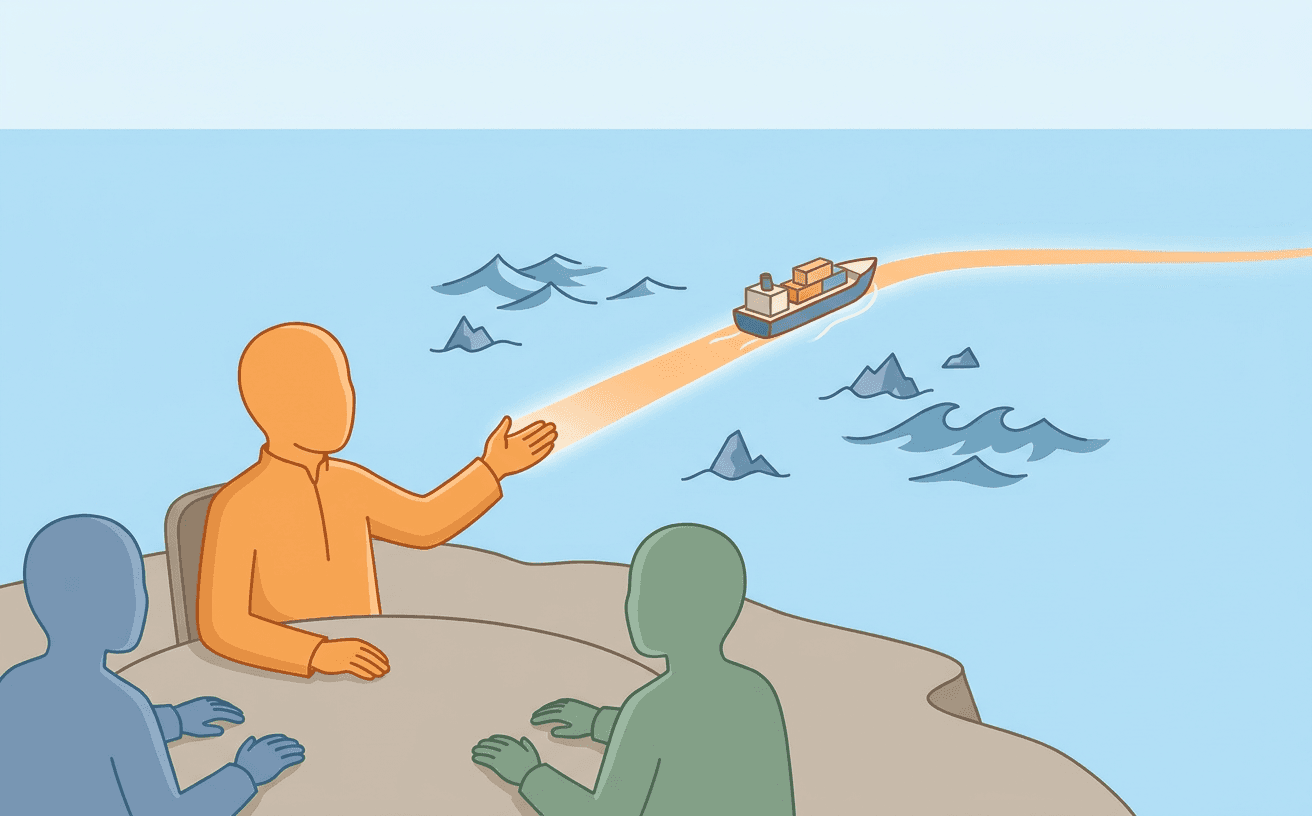
External Affairs Minister S. Jaishankar announced that India is expanding its role in the Russia-Ukraine conflict beyond mere advocacy, actively engaging in discussions on Black Sea shipping safety and grain exports. Speaking at the in Delhi, he emphasized India's historical ties with Russia while addressing the conflict's global economic repercussions, including energy and trade disruptions. This shift indicates a more proactive Indian diplomacy aimed at mitigating the conflict's broader impacts while balancing its strategic partnerships.
Exam perspectives
The conflict between Russia and Ukraine has profound implications for global geopolitics, fundamentally altering alliances and power dynamics. India's strategy of strategic autonomy is evident as it navigates its historical defense and energy reliance on Russia alongside its growing partnerships with the US and Europe. Mr. Jaishankar's remarks at the Munich Leaders Meeting highlight India's transition from passive observation to proactive engagement, particularly concerning the Black Sea Grain Initiative, which aims to ensure the safe export of agricultural products amidst the conflict. The assertion that India is going 'beyond advocacy' suggests a willingness to mediate or facilitate dialogue, underscoring its aspiration to be recognized as a responsible global actor and a leader of the Global South. UPSC questions may focus on the evolution of India's non-alignment to multi-alignment, the nuances of its relationship with Russia in the context of the Ukraine war, and the broader implications of this conflict on global security architectures.
The Russia-Ukraine conflict has triggered severe disruptions in global supply chains, significantly impacting energy and food security. India, heavily dependent on imported oil and gas, faces vulnerabilities regarding inflation and a widening Current Account Deficit (CAD). The disruption of grain exports from the Black Sea region exacerbates global food insecurity, disproportionately affecting developing nations. By engaging in discussions on 'grain export agreements' and 'energy exports,' India seeks to safeguard its economic interests and those of the Global South. The weaponization of trade and financial systems, such as sanctions and exclusion from the SWIFT network, has prompted discussions on de-dollarization and the necessity for alternative payment mechanisms, like Rupee-Rouble trade. Aspirants should analyze the macroeconomic impacts of the conflict on India, focusing on inflation, energy security, and the imperative for supply chain diversification.
India's diplomatic posture is characterized by a delicate balancing act, maintaining ties with both Moscow and Kyiv while advocating for dialogue and diplomacy. Mr. Jaishankar's reference to Russia standing by India when its 'territorial integrity was under threat' alludes to historical support, notably during the 1971 war and at the United Nations Security Council. However, India also emphasizes the principles of the UN Charter, respect for sovereignty, and the inviolability of borders. This dual approach allows India to pursue its national interests, securing discounted Russian oil while expanding defense cooperation with Western nations. The shift towards active facilitation in specific areas like shipping safety and grain exports demonstrates a pragmatic diplomacy aimed at practical solutions. For UPSC Mains, understanding the nuances of this diplomatic tightrope walk, the concept of multi-alignment, and India's role as a potential mediator in the conflict is crucial.
Key references
AI-generated study notes, sourced from The Hindu. Verify facts and figures with standard sources.