
India notifies first New Zealand FTA duty cuts; sheep meat gets zero duty, kiwi fruit at 15%
Context
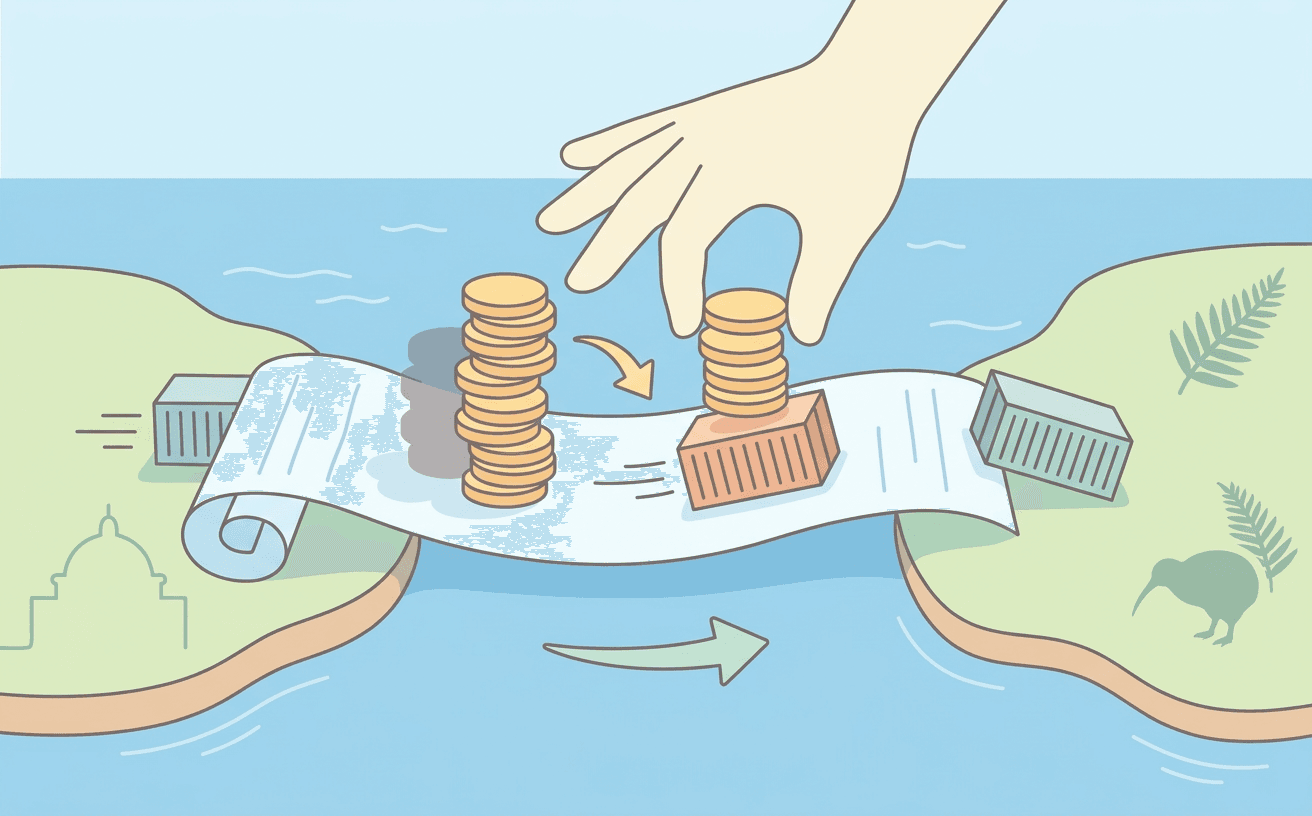
The has issued a notification under the , detailing the first set of revised basic customs duty (BCD) and cess rates under the India-New Zealand Free Trade Agreement (FTA). This marks the operationalization of the decade-in-the-making trade pact, bringing duty reductions to specified products like sheep meat and kiwi fruit while protecting sensitive sectors like dairy.
Exam perspectives
This notification highlights the mechanics of a Free Trade Agreement (FTA) in action. By selectively reducing the Basic Customs Duty (BCD) (the standard tax imposed on imported goods), India is strategically facilitating trade with New Zealand without opting for blanket removal. The inclusion of Tariff-Rate Quotas (TRQs) is a key feature; this mechanism allows a specified quantity of a product to be imported at a lower (or zero) tariff rate, while quantities exceeding the quota face a higher rate. This calibrated approach aims to balance the benefits of cheaper imports for consumers (like zero duty on sheep meat and reduced duty on kiwis) against the need to protect domestic producers. Crucially, the exclusion of sensitive sectors like dairy—a major export for New Zealand but a vital, politically sensitive livelihood source for millions of Indian farmers—demonstrates a defensive strategy to prevent a surge of cheap imports that could destabilize the domestic market. For UPSC, understanding the nuances between BCD, Agriculture Infrastructure and Development Cess (AIDC), and TRQs is essential, as is the rationale behind sectoral exclusions in FTAs.
The implementation of the duty cuts is governed by Section 25(1) of the Customs Act, 1962, which empowers the Central Government, through the Department of Revenue, to exempt goods from customs duties in the 'public interest'. This executive action requires importers to adhere strictly to product classification and Rules of Origin (RoO) requirements. Importers must furnish proof that the goods originated in New Zealand to claim the preferential rates, preventing third countries from routing their products through New Zealand to exploit the FTA benefits. This process underscores the complex regulatory environment surrounding international trade, where customs authorities must verify product classifications (tariff lines) and origin certificates to prevent duty evasion and ensure the FTA's integrity. UPSC aspirants should be familiar with the role of the Central Board of Indirect Taxes and Customs (CBIC) in enforcing these regulations and the significance of RoO in trade agreements.
The operationalization of this FTA, described as 'once-in-a-generation' by New Zealand, marks a significant milestone in bilateral relations between the two nations after a decade of negotiations. For India, engaging in FTAs with developed nations like New Zealand, Australia, and the UK reflects a strategic shift towards deeper integration into global value chains. It aims to diversify trade partnerships and secure preferential market access for Indian exports, while attracting investment. The successful conclusion of this pact, despite the contentious issue of dairy access, highlights the importance of pragmatism and compromise in international diplomacy. By agreeing to exclude dairy, New Zealand secured access for other key exports, demonstrating how mutual interests can be advanced even when complete market liberalization is politically unfeasible. This development should be analyzed in the context of India's broader trade diplomacy and its evolving approach to multilateral and bilateral trade agreements.
Key references
AI-generated study notes, sourced from Economic Times. Verify facts and figures with standard sources.