
India’s semiconductor push will create countless jobs: PM
Context
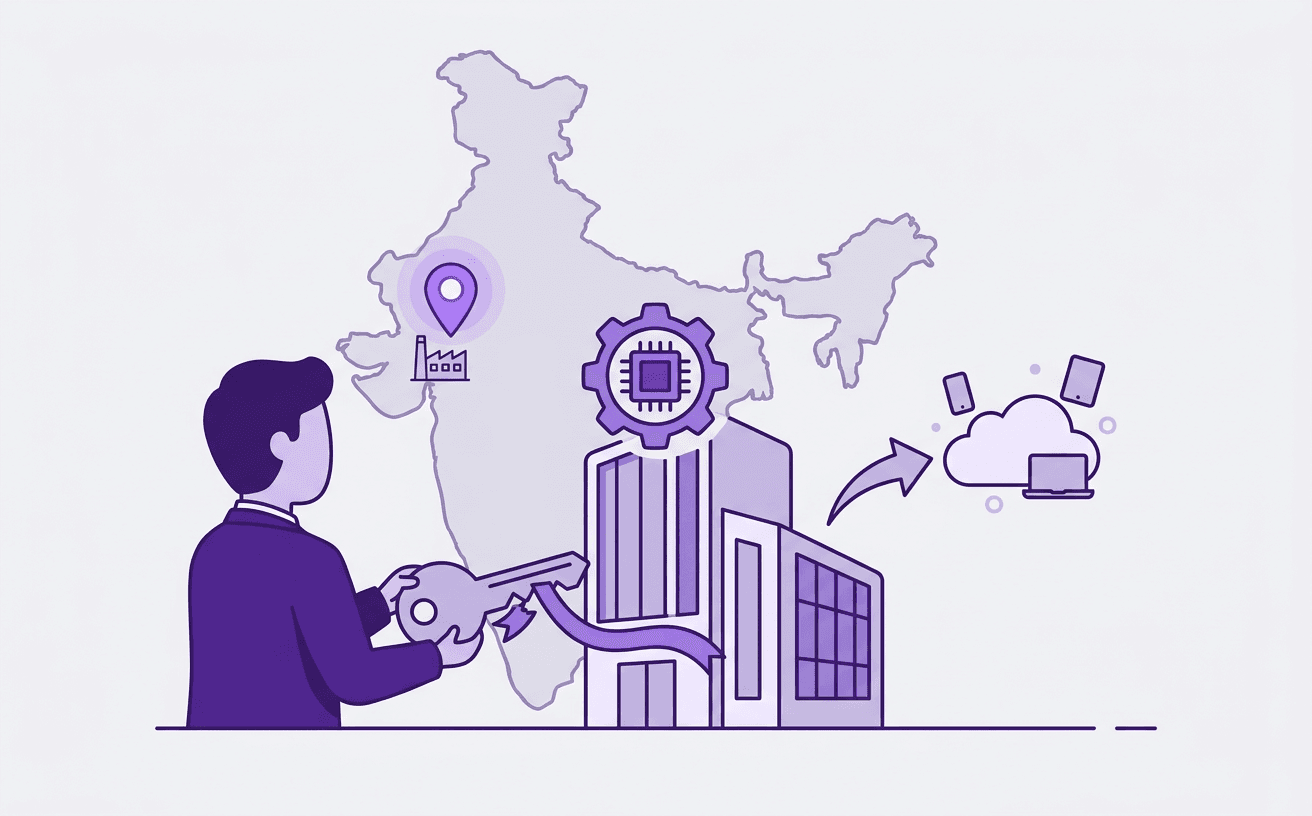
The Prime Minister inaugurated a major Outsourced Semiconductor Assembly and Test (OSAT) facility in Sanand, Gujarat, highlighting India's shift towards building a comprehensive electronics and semiconductor manufacturing ecosystem. This development, part of the broader , is framed as a critical step in creating large-scale employment, driving the 'Viksit Bharat' vision, and securing India's position in the global artificial intelligence and next-generation technology revolution.
Exam perspectives
The transition from assembling to manufacturing complex electronics represents a significant step up the value chain for the Indian economy. The India Semiconductor Mission (ISM) is the cornerstone of this strategy, offering substantial financial incentives (like the Production Linked Incentive scheme) to attract capital-intensive chip fabrication and testing facilities. The inauguration of the Sanand OSAT plant demonstrates progress in the 'Make in India' and 'Design in India' initiatives, moving India away from being primarily an importer of electronics (like mobile phones) to a major exporter. This shift is crucial for addressing the current account deficit and creating high-skill manufacturing jobs, transitioning the workforce from the service sector (IT revolution) to advanced manufacturing, which is vital for long-term economic stability and achieving the goal of a developed nation (Viksit Bharat).
Semiconductors are the foundational technology for modern economies, powering everything from smartphones to advanced weapon systems. Developing domestic capacity, even starting with assembly and testing (OSAT) before moving to full fabrication (fabs), is essential for technological sovereignty. The article highlights the connection between domestically produced chips and the upcoming artificial intelligence (AI) revolution. Reliable access to computing power (hardware) is a prerequisite for AI development and deployment. The government aims to build an end-to-end ecosystem, encompassing chip design, fabrication, and packaging, which reduces reliance on complex and vulnerable global supply chains currently dominated by a few East Asian nations.
The drive for domestic semiconductor manufacturing is fundamentally linked to national security and cyber resilience. The Minister of Electronics and Information Technology cautioned about potential cyberattacks targeting India's growing chip sector, highlighting the strategic vulnerability of relying entirely on imported hardware. Hardware trojans or supply chain disruptions (as seen during the pandemic) can severely impact critical infrastructure, defense systems, and telecommunications. Establishing a domestic semiconductor ecosystem mitigates these risks, ensuring the integrity and availability of essential components. This aligns with broader strategies of strategic autonomy, ensuring India is not overly dependent on foreign powers for the technology that underpins its digital economy and national defense.
Key references
AI-generated study notes, sourced from The Hindu. Verify facts and figures with standard sources.