
India’s trade deficit with China crosses $100 billion in 2026
Context
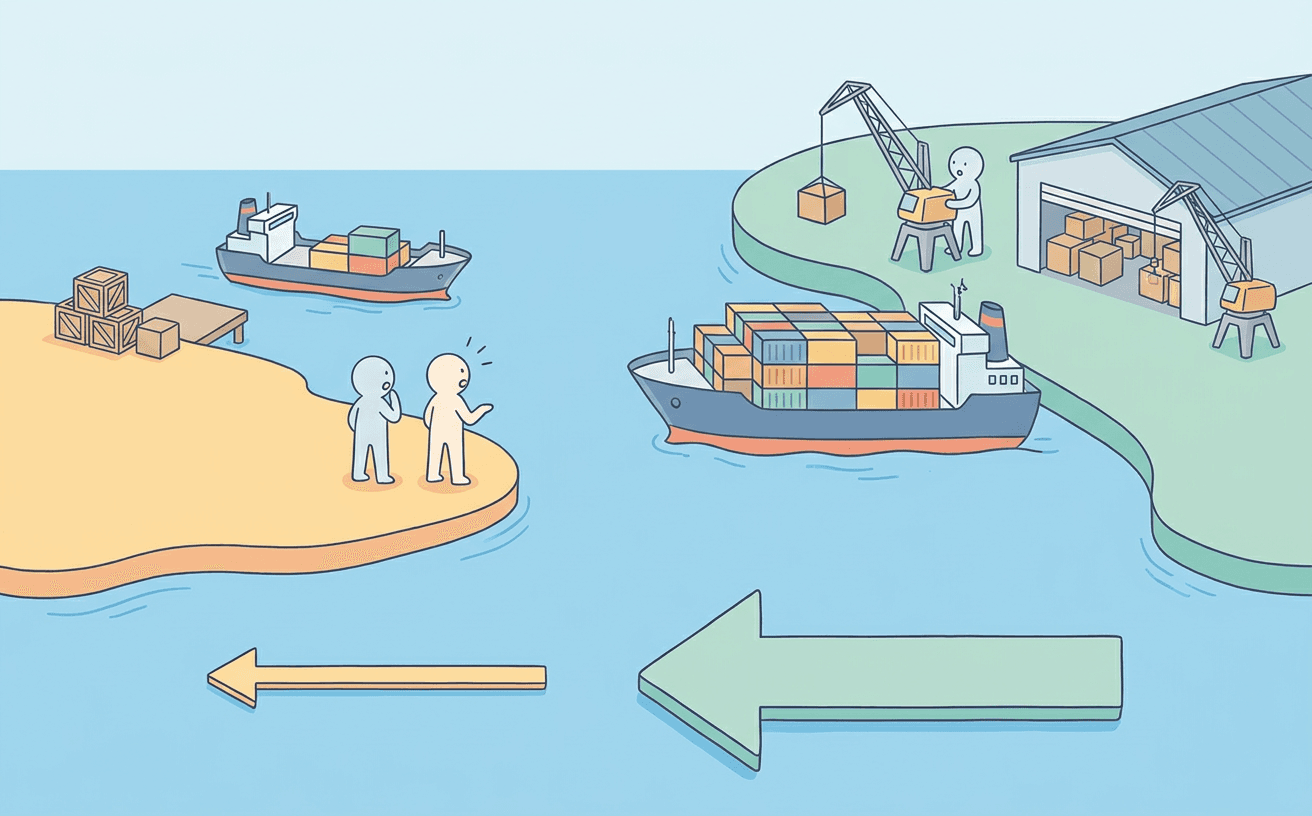
According to data from China's General Administration of Customs, India's trade deficit with China has crossed $100 billion in the first three quarters of 2026, despite a 40% growth in Indian exports to China. The widening trade imbalance, heavily skewed towards imports of finished goods and intermediates from China, remains a critical concern for India, prompting discussions between Prime Minister Narendra Modi and Chinese President Xi Jinping on addressing structural imbalances and supply chain vulnerabilities.
Exam perspectives
The burgeoning trade deficit, currently exceeding $100 billion, underscores India's deep-rooted economic dependence on China, primarily for intermediate goods (components used in manufacturing) like active pharmaceutical ingredients (APIs) and critical electronic parts. This reliance creates a vulnerability, as any disruption in supply chains, such as those caused by geopolitical tensions or Chinese export controls on crucial resources like fertilizers and rare earths, can paralyze Indian manufacturing. Furthermore, the persistent influx of finished goods, particularly electronics and machinery, impedes the growth of domestic industries and contradicts the objectives of initiatives like Make in India and Atmanirbhar Bharat. A key concern for Indian policymakers is the lopsided trade relationship, where Indian exports, though growing, are predominantly primary products or low-value-added items like seafood and naphtha, while imports consist largely of high-value manufactured goods. UPSC aspirants should analyze the implications of this structural imbalance on India's current account deficit, the broader macroeconomic stability, and the urgent need to diversify import sources and boost domestic manufacturing capabilities through schemes like Production Linked Incentive (PLI).
The trade imbalance is intricately linked to the broader geopolitical dynamics between India and China, often characterized by strategic competition and border tensions. Despite political frictions, the significant economic inter-reliance presents a complex challenge. The recent discussions between the leaders at the BRICS summit highlight the diplomatic tightrope India must walk: managing security concerns while addressing economic vulnerabilities. The mention of 'structural trade imbalance' and 'meaningful and predictable market access' by the Ministry of External Affairs signals India's demand for reciprocal economic engagement and non-discriminatory trade practices from China. This scenario exemplifies complex interdependence, where economic ties persist even amidst political conflict. Aspirants should understand how trade is used as an instrument of foreign policy and the challenges India faces in 'de-risking' its economy from China without causing severe domestic disruptions, exploring potential strategies like strengthening trade ties with alternative partners in the Indo-Pacific region and active participation in forums like the Supply Chain Resilience Initiative.
Addressing the trade deficit requires robust governance and proactive policy measures to enhance the competitiveness of Indian industries. The government's role is pivotal in addressing supply chain issues and ensuring domestic manufacturers have access to critical raw materials and intermediate goods. This involves strategic interventions like securing alternative supply lines, investing in research and development to foster indigenous production of critical components, and providing policy support to industries vulnerable to Chinese dominance. The challenge lies in creating an enabling environment that encourages domestic value addition and reduces reliance on imports. Furthermore, the issue of market access for Indian firms in China demands continued diplomatic engagement and negotiation to dismantle non-tariff barriers and ensure fair trade practices. Governance mechanisms must focus on long-term structural reforms, promoting ease of doing business, and fostering innovation to build a resilient and self-reliant economy capable of withstanding external shocks.
Key references
AI-generated study notes, sourced from The Hindu. Verify facts and figures with standard sources.