
Jaishankar to visit Russia on August 23, 24
Context
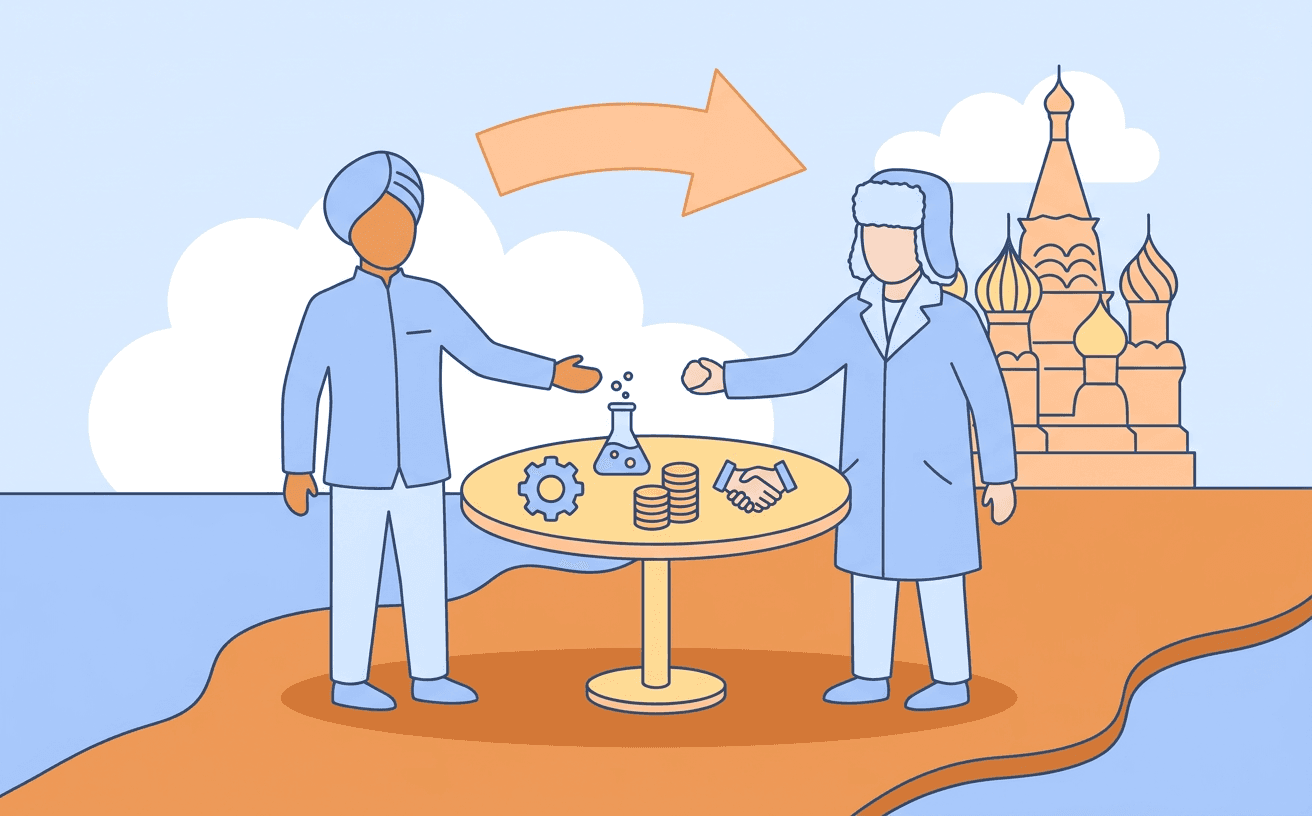
External Affairs Minister S. Jaishankar is scheduled to visit Russia to co-chair the 27th Session of the (). The visit aims to review bilateral cooperation and discuss regional and global geopolitical issues with Russian counterpart Sergey Lavrov.
Exam perspectives
This visit underscores the enduring nature of the Special and Privileged Strategic Partnership between India and Russia, even amidst the complexities of the ongoing Russia-Ukraine conflict. UPSC aspirants should analyze this in the context of India's strategic autonomy and multi-alignment foreign policy, where India balances its relations with Western powers (like the US and Europe) while maintaining its historical ties with Russia. The meeting with Sergey Lavrov is crucial for coordinating perspectives on regional stability, potentially encompassing issues like the situation in Afghanistan, the Shanghai Cooperation Organisation (SCO), and BRICS. A key area of focus for the Mains exam is how India navigates the pressure of Western sanctions on Russia while securing its own national interests, particularly in energy and defense.
The IRIGC-TEC is the primary institutional mechanism for steering economic cooperation between the two nations. The 27th session will likely address the significant trade imbalance that has emerged in recent years. While India's imports of discounted Russian crude oil have surged, Indian exports to Russia have not kept pace, leading to a massive trade deficit. Aspirants should understand the challenges of trading in national currencies (Rupee-Ruble mechanism) to bypass the SWIFT system and Western financial sanctions. The commission will likely explore avenues to diversify trade beyond defense and energy, potentially focusing on pharmaceuticals, agriculture, and manufacturing, aiming to reach the bilateral trade target of $100 billion before 2030.
The 'Scientific and Technological' aspect of the IRIGC-TEC is a critical but often overshadowed pillar of the bilateral relationship. Russia has historically been a key partner for India in high-technology domains, particularly in space exploration and nuclear energy (e.g., the Kudankulam Nuclear Power Plant). Future cooperation could involve joint research in emerging technologies like Artificial Intelligence, cybersecurity, and advanced materials. Understanding the historical context of technology transfer from Russia (dating back to the Soviet era) and its role in building India's strategic capabilities is vital for GS Paper 3. The commission provides a platform to address bottlenecks in technology sharing and identify new frontiers for joint innovation.
Key references
AI-generated study notes, sourced from The Hindu. Verify facts and figures with standard sources.