
MDR charges on UPI payments will be implemented post-Diwali, says NPCI
Context
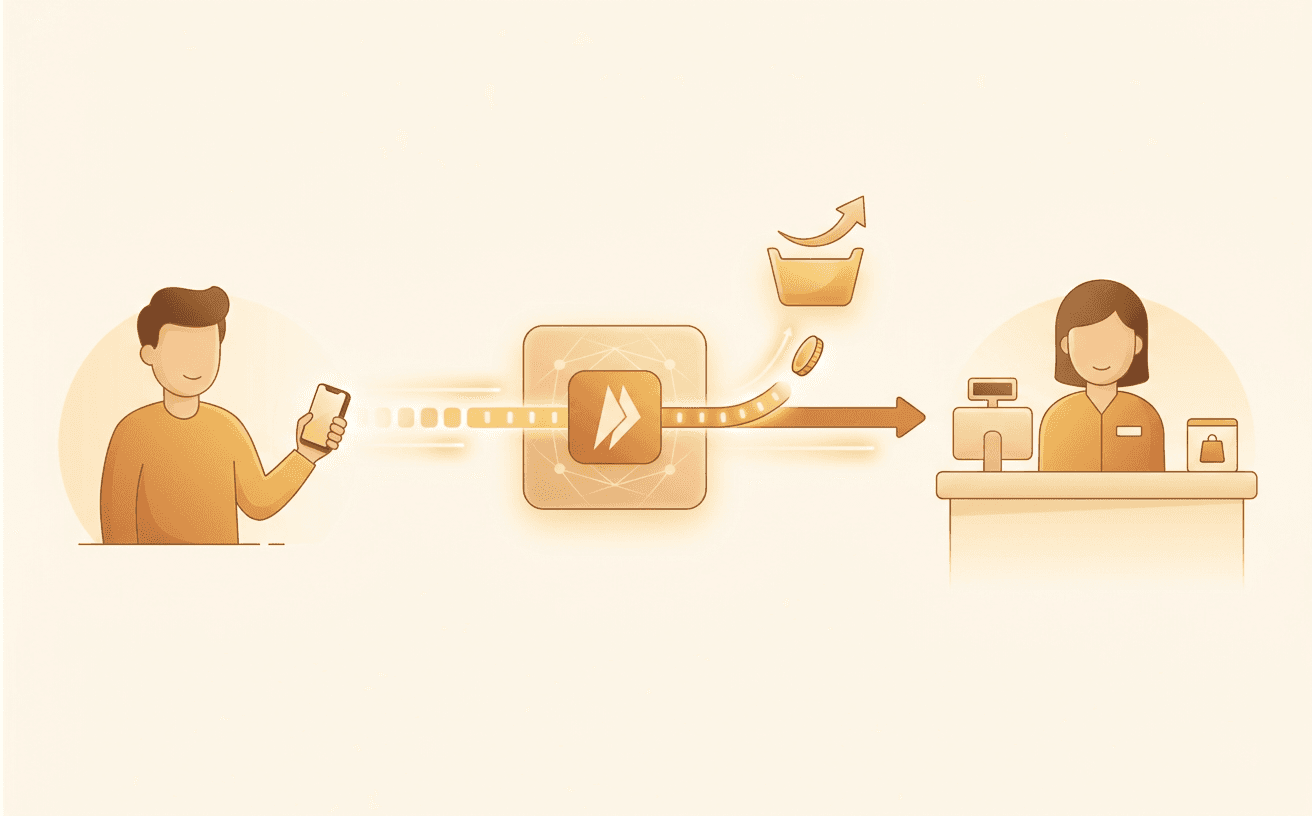
The (NPCI) announced that a (MDR) of 0.4% will be implemented on select Person-to-Merchant (P2M) (UPI) transactions above ₹2,000 after Diwali. The (RBI) believes this small fee will not significantly impact transaction volumes, while merchants argue banks and the government should bear these costs.
Exam perspectives
The introduction of the Merchant Discount Rate (MDR) on UPI is a significant shift in India's digital payment landscape. The MDR is the fee that merchants pay to banks for processing digital transactions, which is then shared among the payment service provider, the merchant's bank, and the NPCI. Until now, the government mandated a 'zero-MDR' policy for UPI and RuPay transactions to incentivize digital adoption. This policy, while successful in driving massive transaction volumes, posed a financial burden on banks and payment infrastructure providers who bore the cost of processing without direct revenue. The RBI's view, as expressed by Governor Sanjay Malhotra, suggests a belief in inelastic demand for UPI services at a low price point—meaning a small fee won't deter users. However, for UPSC Mains, consider the debate: should digital payment infrastructure be treated as a public good funded by the exchequer, or should it follow a user-pays model to ensure the financial viability of banks and fintech companies? The 0.4% fee on transactions above ₹2,000 represents a compromise, targeting larger value transactions while keeping smaller, everyday payments free.
This development highlights the evolving role of the National Payments Corporation of India (NPCI) as a critical regulatory and operational body. The NPCI is an umbrella organization for operating retail payments and settlement systems in India, initiated by the RBI and the Indian Banks' Association (IBA) under the provisions of the Payment and Settlement Systems Act, 2007. The decision to delay implementation until after Diwali demonstrates responsive governance, acknowledging the importance of the festive season for retail commerce and avoiding disruption during peak consumption periods. This reflects a delicate balancing act by the NPCI and RBI: managing the interests of merchants (who face increased costs), consumers (who fear costs being passed on), and the banking sector (which seeks cost recovery). For UPSC, understand the NPCI's unique structure—a not-for-profit company under Section 8 of the Companies Act 2013—and its mandate to provide robust payment infrastructure. The shift from a zero-MDR policy signifies a maturing digital ecosystem where the focus is transitioning from sheer adoption to sustainable commercial models.
The Unified Payments Interface (UPI) is a prime example of Digital Public Infrastructure (DPI) that has revolutionized financial inclusion in India. By enabling real-time, inter-bank peer-to-peer (P2P) and person-to-merchant (P2M) transactions, UPI leverages the India Stack—a set of open APIs that allows governments, businesses, and developers to build digital services. The core technological innovation of UPI is its interoperability, allowing seamless transfers between different bank accounts via a single virtual payment address. The introduction of the MDR will likely spur further technological innovation. Payment service providers might develop new value-added services or loyalty programs to justify the fees to merchants. For Prelims, track the specific types of transactions affected (P2M above ₹2,000) and understand the difference between P2P (which remains free) and P2M. For Mains, the challenge is maintaining the rapid growth of this technological platform while ensuring the financial sustainability of the underlying infrastructure providers.
Key references
AI-generated study notes, sourced from The Hindu. Verify facts and figures with standard sources.