
No talks with Pakistan except on PoK: Rajnath Singh on Kargil Vijay Diwas
Context
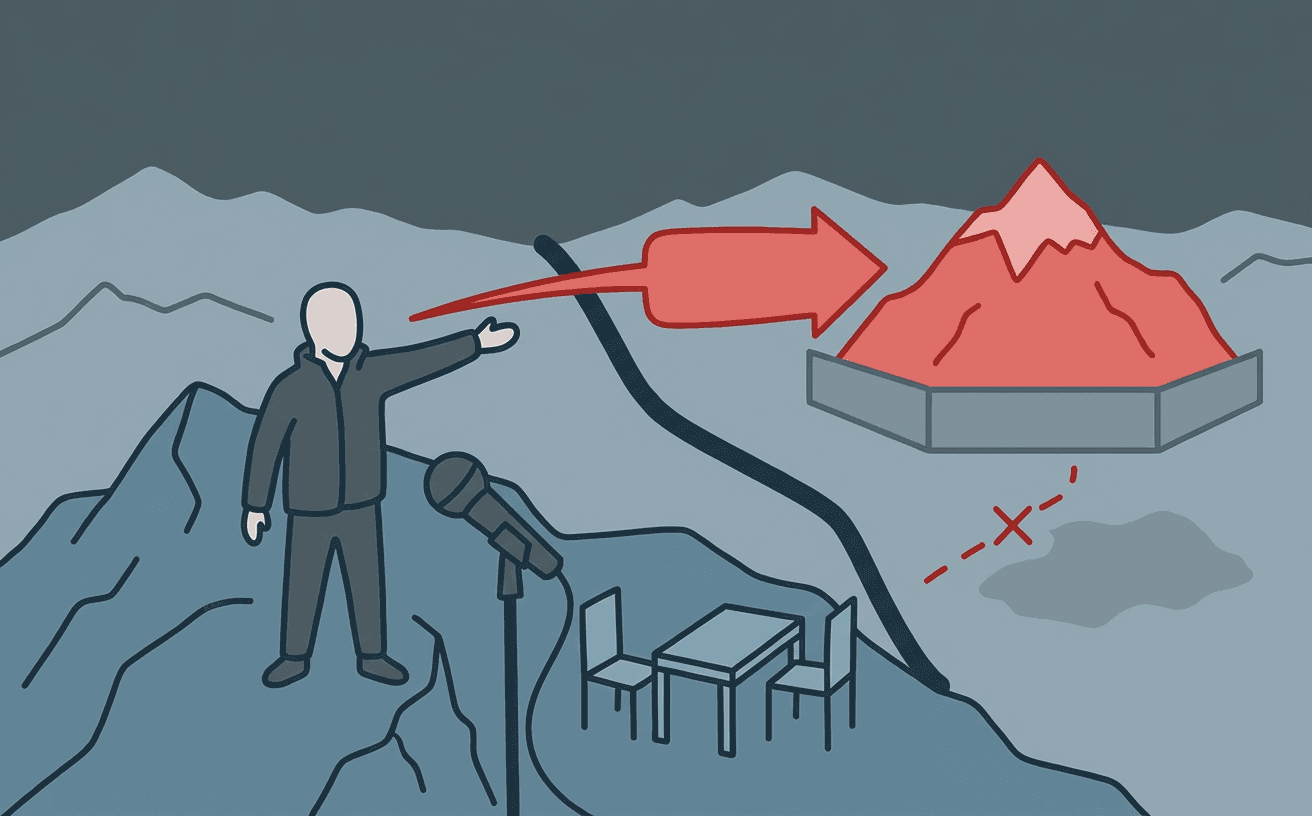
On the 27th Kargil Vijay Diwas in Dras, Defence Minister Rajnath Singh asserted that future dialogue with Pakistan will exclusively focus on (PoK). He warned against any misadventure or state-sponsored terrorism from Pakistan, referencing the recent as evidence of India's robust retaliatory capabilities.
Exam perspectives
The Defence Minister's statement reinforces a firm stance on India's territorial integrity and its approach to dialogue with Pakistan. The assertion that talks will only concern Pakistan-occupied Kashmir (PoK) signifies a strategic shift, placing the onus on Pakistan to address its illegal occupation rather than India negotiating on the entirety of Jammu and Kashmir. This aligns with the 1994 parliamentary resolution declaring PoK an integral part of India. From a governance perspective, this policy underscores a zero-tolerance approach towards state-sponsored terrorism, demanding tangible action from Pakistan before any meaningful engagement can occur.
The reference to Operation Sindoor, a retaliatory strike following the Pahalgam terror attack, highlights a critical aspect of India's internal security strategy: pre-emptive and punitive action against terror launchpads. This approach, similar to the 2016 surgical strikes and the 2019 Balakot airstrike, aims to raise the cost for Pakistan's proxy war and deter future infiltration attempts. The contrast drawn between India's focus on innovation and Pakistan's focus on infiltration underscores the enduring security challenge posed by cross-border terrorism. UPSC aspirants should analyze the evolution of India's counter-terrorism strategy, particularly the shift from strategic restraint to a more proactive posture in response to border provocations.
The categorical refusal to engage in broad-based talks with Pakistan until the PoK issue is addressed reflects a hardline approach in bilateral relations. This stance seeks to internationally isolate Pakistan on the issue of terrorism and delegitimize its claims on Jammu and Kashmir. The consistent condemnation of Pakistan for using terrorism as a "part of its state policy" is a key element of India's diplomatic narrative. In the context of the Simla Agreement and the Lahore Declaration, which emphasize bilateral resolution of disputes, this firm position indicates a stalemate in relations unless there is a significant shift in Pakistan's behavior regarding cross-border terrorism.
Key references
AI-generated study notes, sourced from The Hindu. Verify facts and figures with standard sources.