
NTA reforms | Administrations should withhold permissions for rallies, processions on exam days: panel
Context
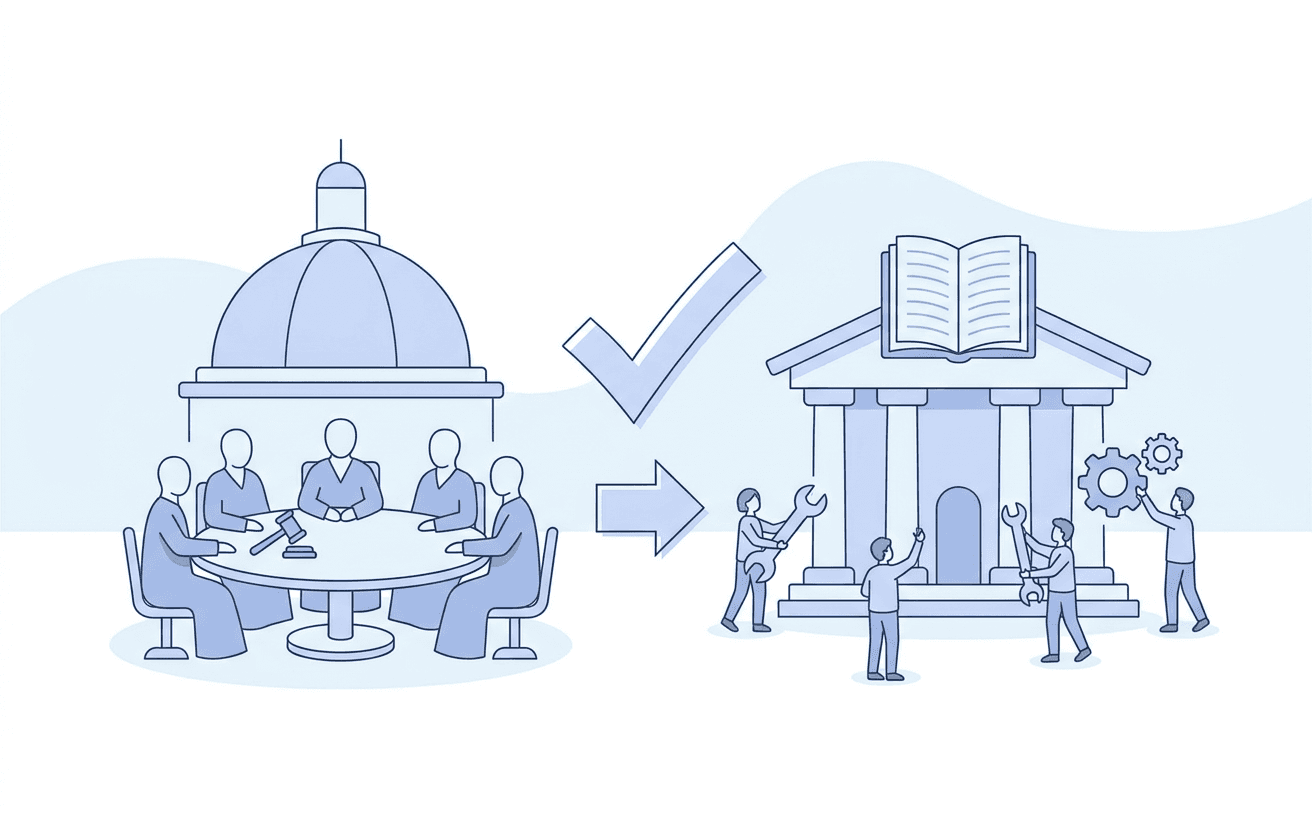
The Parliamentary Standing Committee on Education, Women, Children, Youth and Sports has recommended significant reforms to the functioning of the . These recommendations follow widespread protests over alleged irregularities in the NEET exam and aim to improve the administration of competitive examinations in India by addressing logistical and procedural challenges faced by students.
Exam perspectives
The recommendations of the Parliamentary Standing Committee highlight a critical intersection between law and order and the administration of national examinations. The committee's proposal to amend the Public Examinations (Prevention of Unfair Means) Act, 2024 to restrict public gatherings on exam days represents a shift towards proactive governance. This approach seeks to mandate district administrations to prioritize exam logistics over public rallies, thereby mitigating external disruptions. For UPSC, this illustrates the challenges of cooperative federalism, as a central agency (National Testing Agency (NTA)) must rely on local state machinery (district administration and police) to ensure smooth operations. The effectiveness of such a top-down mandate depends heavily on the capacity and willingness of local authorities to enforce these restrictions amidst competing political and social pressures.
This development underscores the vital role of Parliamentary Committees in the Indian legislative framework, often referred to as 'mini-Parliaments.' The Standing Committee on Education's intervention following the NEET controversy demonstrates the mechanism of executive accountability to the legislature. These committees, drawing members across party lines, are essential for detailed scrutiny of government actions and proposing structural reforms. While their recommendations are technically advisory and not binding on the government, they carry significant political weight and often shape future legislation or administrative guidelines. Candidates should understand how such committee reports can lead to amendments in existing laws, such as the proposed changes to the Public Examinations (Prevention of Unfair Means) Act, 2024, reflecting the dynamic nature of legislative oversight.
From a social perspective, the committee's focus on procedural fairness addresses the immense pressure surrounding competitive exams in India. The proposed reforms—such as allowing late entry with an undertaking and separating administrative formalities from the core exam time—reflect a shift towards student-centric administration. The current rigid system, where minor delays can result in a lost academic year, exacerbates the anxiety and mental health challenges faced by aspirants. By advocating for standard operating procedures (SOPs) that accommodate genuine difficulties without compromising exam integrity, the report attempts to balance the need for strict security with empathy for candidates. This touches upon broader issues of educational equity, as students from marginalized backgrounds or remote areas are often more vulnerable to logistical delays.
Key references
AI-generated study notes, sourced from The Hindu. Verify facts and figures with standard sources.