
PM Modi warns of weaponisation of resources, sea routes; urges energy self-reliance
Context
During the 80th Independence Day address, the Prime Minister highlighted the growing risks of the weaponisation of resources and strategic sea routes, particularly in the context of recent geopolitical conflicts like the U.S.-Israeli war with Iran. He emphasized the urgent need for India to achieve energy self-reliance, announcing the to boost domestic hydrocarbon exploration and reduce reliance on imported fuels.
Exam perspectives
The push for energy self-reliance is a critical component of the broader Atmanirbhar Bharat (self-reliant India) initiative. India currently imports roughly 90% of its crude oil and half of its natural gas, exposing the economy to significant vulnerabilities from global price shocks and supply disruptions. The newly announced Samudra Manthan National Offshore Exploration Scheme, with an outlay of ₹84,084 crore, is designed to stimulate investment in deepwater and ultra-deepwater exploration, aiming to unlock domestic reserves. Furthermore, opening 99% of India's sedimentary basins for commercial exploration represents a major policy shift towards maximizing domestic resource extraction. From a UPSC perspective, this connects to topics like energy security, the impact of global supply chains on domestic inflation, and strategies for reducing the import bill, which was substantial at $137 billion for crude oil in 2024-25. Students should analyze how reducing dependence on imports through schemes like this can improve the Current Account Deficit (CAD) and strengthen macroeconomic stability.
The Prime Minister's concerns are deeply rooted in the strategic importance of maritime chokepoints, specifically the Strait of Hormuz. This narrow waterway between Iran and Oman is vital for global energy trade, handling roughly a quarter of seaborne oil and 20% of LNG trade globally in 2025. The disruption of shipping due to conflicts directly impacts India, which relies heavily on this route (nearly half its crude and two-thirds of its LNG passed through here in 2025). The weaponisation of such geographical chokepoints demonstrates how physical geography dictates geopolitical leverage. In the UPSC syllabus, this relates directly to economic geography and the distribution of natural resources. Understanding the vulnerability of these transit routes explains why India is forced to diversify its energy sourcing—importing crude from 41 countries and LNG from 15—and actively seek alternative supplies from regions like West Africa and North America when traditional Middle Eastern supplies are threatened.
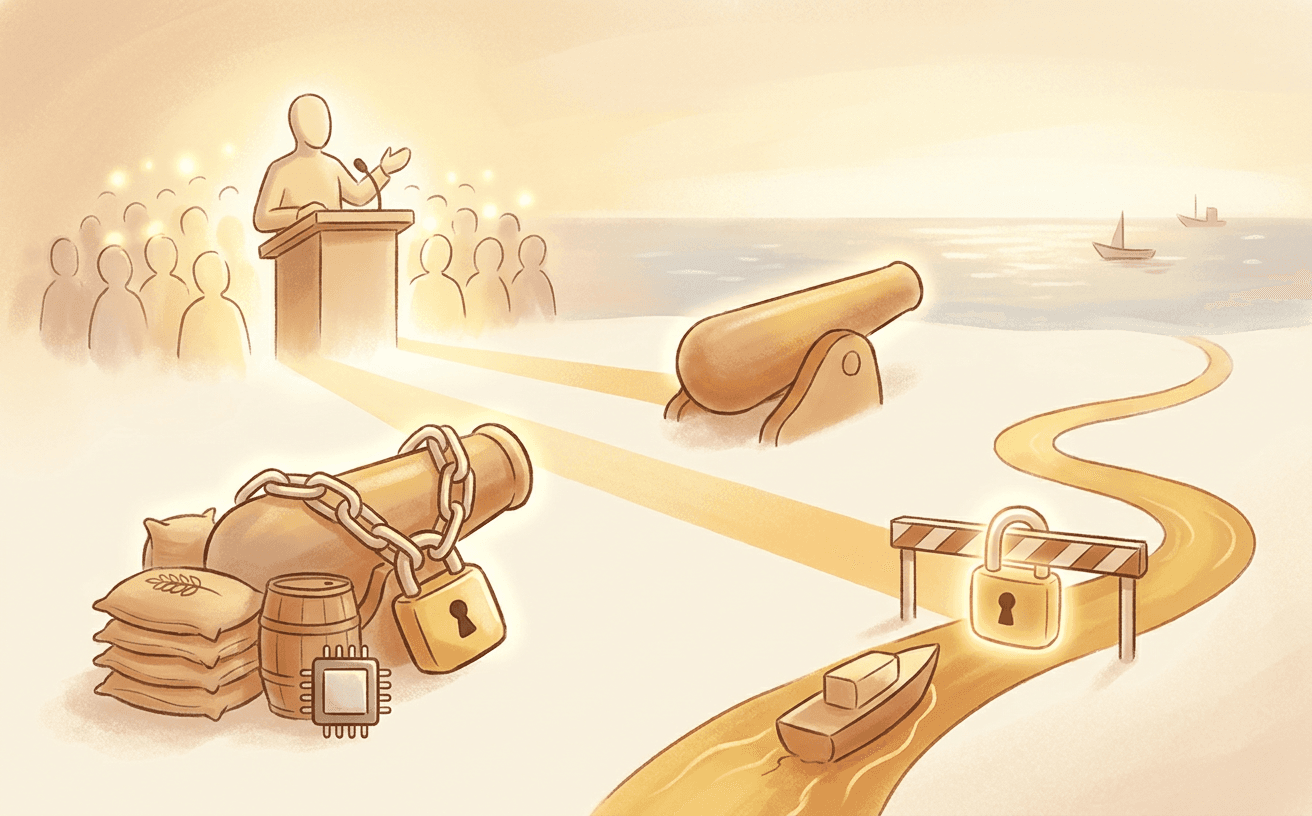
The concept of "weaponisation of resources" signifies a shift in modern geopolitics where critical supplies (fuel, minerals, technology, medicines) and transit routes are used as instruments of pressure rather than just tradable commodities. The specific mention of the disruption caused by the U.S.-Israeli war with Iran illustrates how regional instability can have cascading effects on global supply chains. For India, navigating these turbulent waters requires a delicate balance of strategic autonomy—maintaining strong relationships with diverse energy suppliers while simultaneously building domestic capacity to insulate itself from external shocks. The UPSC often tests understanding of how geopolitical tensions affect India's national interests. Aspirants must be prepared to discuss how India uses diplomacy to secure energy supplies, the implications of conflicts in energy-rich regions (like the Middle East) on India's foreign policy, and the strategic rationale behind initiatives aimed at achieving energy independence.
Key references
AI-generated study notes, sourced from The Hindu. Verify facts and figures with standard sources.