
Reintroduction of tigers in Buxa: What it means for conservation | Explained
Context
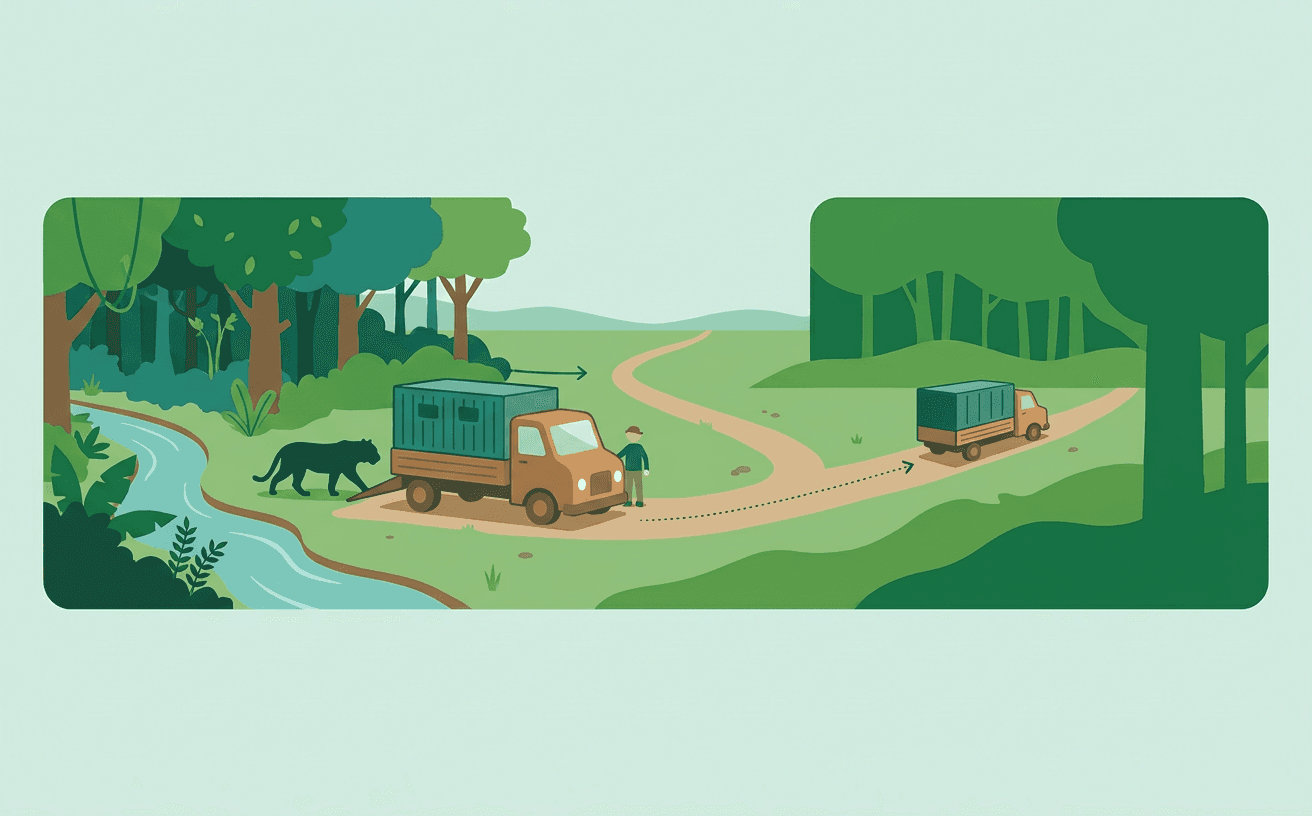
A three-year-old tigress, T138, has been translocated from in Bihar to in West Bengal. This marks the beginning of a phased reintroduction programme aimed at establishing a viable tiger population in Buxa, where resident tigers have been absent for several years due to habitat degradation and anthropogenic pressures.
Exam perspectives
The reintroduction of species is a critical tool for biodiversity conservation, aimed at restoring ecological balance in habitats where a species has become locally extinct. In India, tiger reintroduction is a scientific endeavour overseen by the National Tiger Conservation Authority (NTCA) in collaboration with the Wildlife Institute of India (WII) and State Governments. The process involves identifying a suitable source population—in this case, Valmiki Tiger Reserve, which shares terrain similarities with Buxa, both being part of the Terai Arc Landscape. Translocating a tiger from the nearby Sundarbans was deemed unfeasible due to vast differences between the mangrove ecosystem and the forest terrain of Buxa. This highlights the importance of habitat matching in translocation to ensure the animal can adapt, hunt, and breed successfully. The NTCA has developed a strict protocol governing feasibility studies, socio-economic requirements, and intensive post-release monitoring using telemetry and camera traps to maximize the chances of success.
The geographical location of Buxa Tiger Reserve presents both opportunities and challenges for conservation. Situated in the Alipurduar district of West Bengal, it forms a crucial transboundary ecological corridor, connecting with the forests of Bhutan to the north. Domestically, it links with the Kochugaon forests and Manas Tiger Reserve in Assam to the east, and Jaldapara National Park to the west. These corridors are vital for genetic exchange and the seasonal movement of large mammals like elephants and tigers. However, the reserve faces severe habitat fragmentation due to linear infrastructure, such as railway lines, which have caused numerous elephant fatalities. Additionally, its proximity to the Bhutan border means heavy commercial traffic passes through the reserve, increasing the risk of human-wildlife conflict and further degrading the habitat. Effective conservation in such areas requires managing these anthropogenic pressures alongside wildlife protection.
Successful wildlife conservation requires complex governance strategies that balance ecological needs with human development. The historical decline of tigers in Buxa is directly linked to anthropogenic pressures, including habitat degradation, land-use changes, and declining prey availability. A significant challenge in reintroducing tigers to Buxa is the presence of human settlements and tea estates within and around the reserve. To mitigate human-tiger conflict and ensure the long-term viability of the reintroduction, the state government has undertaken the voluntary relocation of approximately 300 families. This process requires sensitive handling, adequate compensation, and ensuring alternative livelihoods for the displaced communities, adhering to principles of inclusive conservation. The varying success rates of past reintroductions, such as the successful efforts in Sariska Tiger Reserve and Panna Tiger Reserve, contrasted with the challenges faced in Satkosia Tiger Reserve due to human-wildlife conflict and poor local response, underscore that biological feasibility must be matched with strong socio-economic governance and community engagement.
Key references
AI-generated study notes, sourced from The Hindu. Verify facts and figures with standard sources.