
Russia imports record fuel from India as Ukraine strikes hit refineries
Context
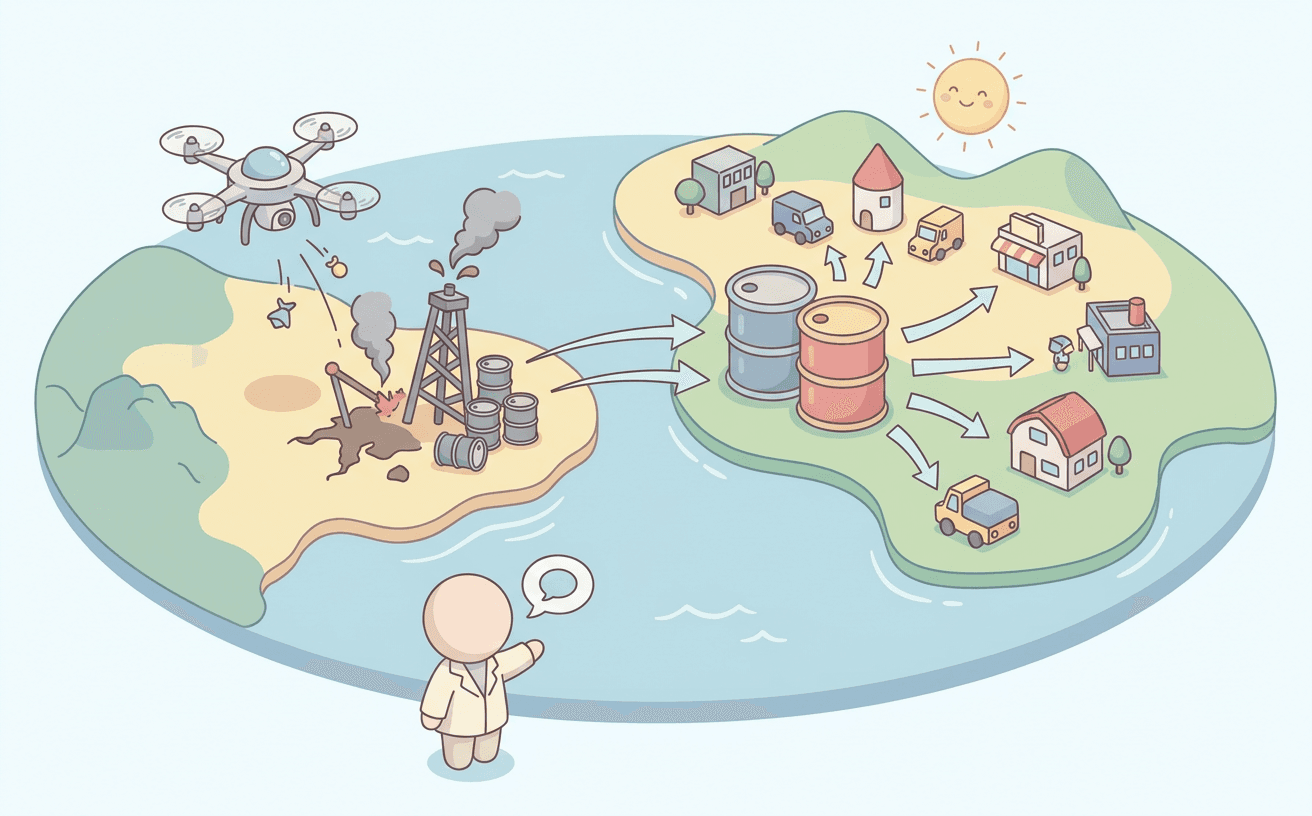
A report by the reveals a significant shift in global oil trade patterns due to the ongoing Russia-Ukraine war. Ukrainian drone strikes have severely impacted Russia's domestic refining capacity, forcing the historical energy exporter to import record amounts of refined fuel. India has emerged as a major supplier, processing Russian crude—including at a refinery partly owned by Russia's —and exporting gasoline back to Russia, highlighting complex supply chain adaptations to sanctions and conflict.
Exam perspectives
This development illustrates a fascinating distortion in international trade flows caused by geopolitical conflict and economic sanctions. Typically, countries export raw materials to be refined elsewhere or refine their own crude for export. Here, Russia is effectively outsourcing its refining due to domestic capacity destruction. India, acting as a crucial intermediary, is importing discounted Russian crude, refining it, and exporting it back to Russia and other markets. This arrangement benefits India's refining sector, increasing its export revenues and enhancing its position as a global refining hub. However, it also exposes Indian companies to complex compliance risks regarding Western sanctions, particularly the G7 price cap mechanism, which seeks to limit Russian oil revenues. The situation exemplifies how global supply chains adapt to disruptions, often creating lucrative but geopolitically sensitive opportunities for neutral third parties.
The changing dynamics of the Russia-India energy trade highlight the evolving strategic partnerships in a multipolar world. India's decision to continue and even expand energy ties with Russia, despite Western pressure to isolate Moscow, reflects its policy of strategic autonomy. India argues that importing discounted Russian oil is essential for its domestic energy security and helps stabilize global energy markets by preventing a severe supply shock. The involvement of Rosneft, which partly owns the Indian refinery supplying gasoline back to Russia, further complicates the picture, demonstrating the deep structural ties between the two nations' energy sectors. This dynamic challenges Western efforts to squeeze Russia's economy and underscores the limitations of unilateral sanctions when major economies like India and China (Russia's largest fossil-fuel customer) maintain robust trade relations.
The report underscores the effectiveness of asymmetric warfare tactics employed by Ukraine. By utilizing relatively inexpensive drones to target critical energy infrastructure deep within Russian territory, Ukraine has managed to inflict significant economic damage and operational disruption. The resulting shortage of domestic refining capacity forces Russia to divert resources and rely on complex, vulnerable supply lines—such as ship-to-ship transfers off Egypt—to import essential fuels. Furthermore, the report notes that vessels involved in this trade are often sanctioned and operate under false flags, highlighting the rise of a shadow fleet that bypasses international regulations. This creates significant maritime security and environmental risks, as these vessels often lack adequate insurance and adhere to lower safety standards, posing a potential threat to critical chokepoints and global shipping lanes.
Key references
AI-generated study notes, sourced from Economic Times. Verify facts and figures with standard sources.