
S-400 destroyed Pakistani aircraft at 314 km during Operation Sindoor: Defence Ministry report
Context
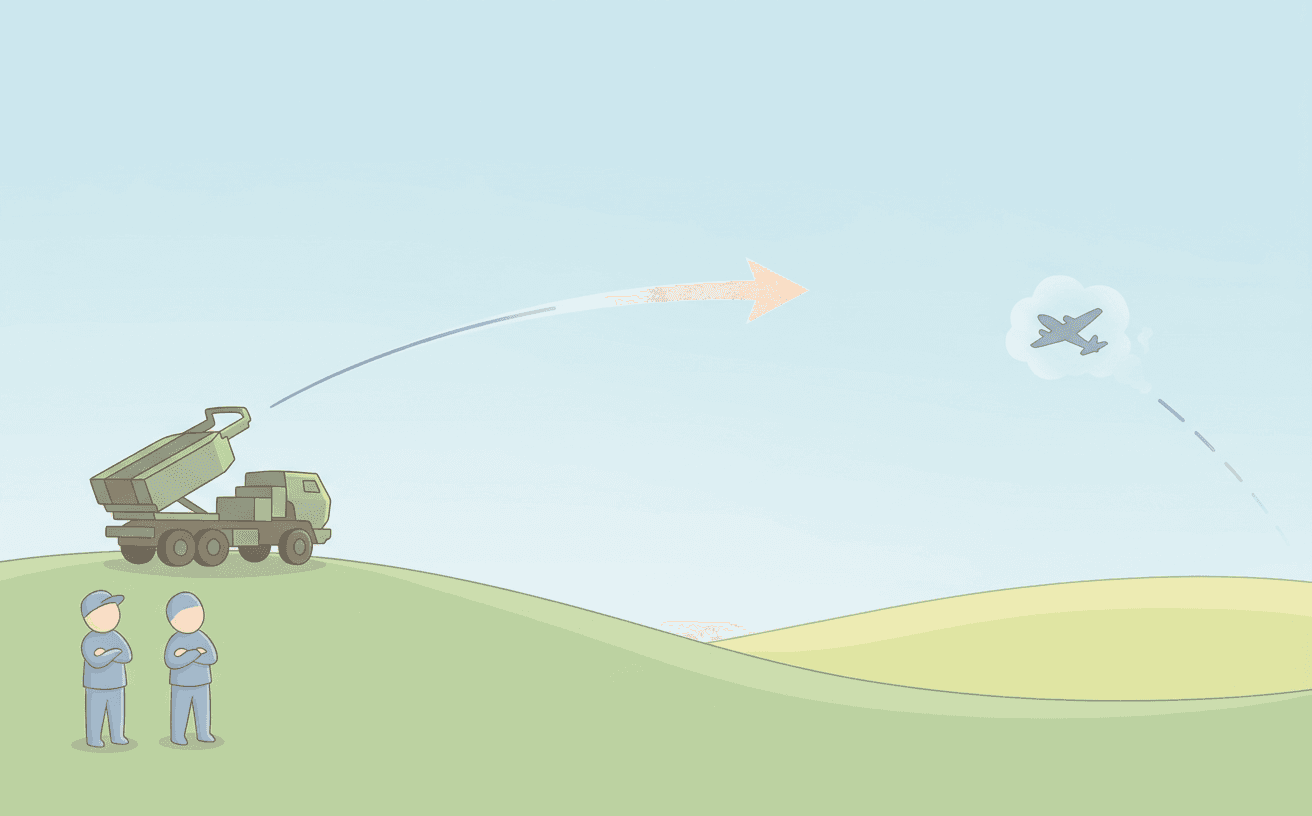
According to the Defence Ministry’s Annual Report for 2025-26, an (IAF) S-400 air-defence unit successfully destroyed a Pakistani special-mission aircraft at a record distance of 314 km during in May 2025. This engagement, part of a broader integrated air-defence effort controlled through the indigenous (IACCS), demonstrated India's long-range air-defence capabilities and resulted in a "calibrated but punitive" response to Pakistani aggression.
Exam perspectives
This event highlights the strategic importance of the S-400 Triumf surface-to-air missile system, acquired from Russia. The ability to engage targets at 314 km significantly enhances India's Anti-Access/Area Denial (A2/AD) capabilities, deterring adversaries from operating freely in contested airspace. The report emphasizes "demonstrative compellence," meaning the use of precise military action to force an adversary to de-escalate. This aligns with India's evolving military doctrine, shifting from purely defensive posturing to proactive, punitive deterrence, especially evident since the Balakot strikes. For UPSC Mains, candidates must understand the role of advanced air defence systems in maintaining regional stability and the strategic logic behind India's calibrated responses to provocations.
The successful execution of Operation Sindoor underscores the critical role of the indigenous Integrated Air Command and Control System (IACCS). The IACCS provides centralized control by integrating military and civil surveillance sensors, creating a common Recognised Air Situation Picture (RASP). This network-centric warfare capability is essential for modern air defence, allowing for rapid identification and engagement of threats while minimizing the risk of fratricide (friendly fire) or targeting civilian aircraft. The contrast highlighted in the report—India prioritizing international air traffic safety while Pakistan kept civil airspace open during hostilities—emphasizes India's adherence to international norms even during conflict. This is a key point for analyzing India's approach to border management and conflict resolution under GS Paper 3.
The report's release and the subsequent recognition of Indian Air Force personnel through 219 Presidential Gallantry Awards highlight the government's focus on transparency and morale-boosting within the armed forces. The detailed account of the operation, including strikes on specific Pakistani infrastructure and the timeline of events, serves both domestic and international audiences, projecting military capability and national resolve. This reflects a broader trend of leveraging military achievements for strategic communication. For UPSC, understanding how the government uses such reports to shape narratives around national security and border disputes is crucial for analyzing civil-military relations and strategic communications.
Key references
AI-generated study notes, sourced from The Hindu. Verify facts and figures with standard sources.