
The BRICS trade boom has a $226 billion hole for India
Context
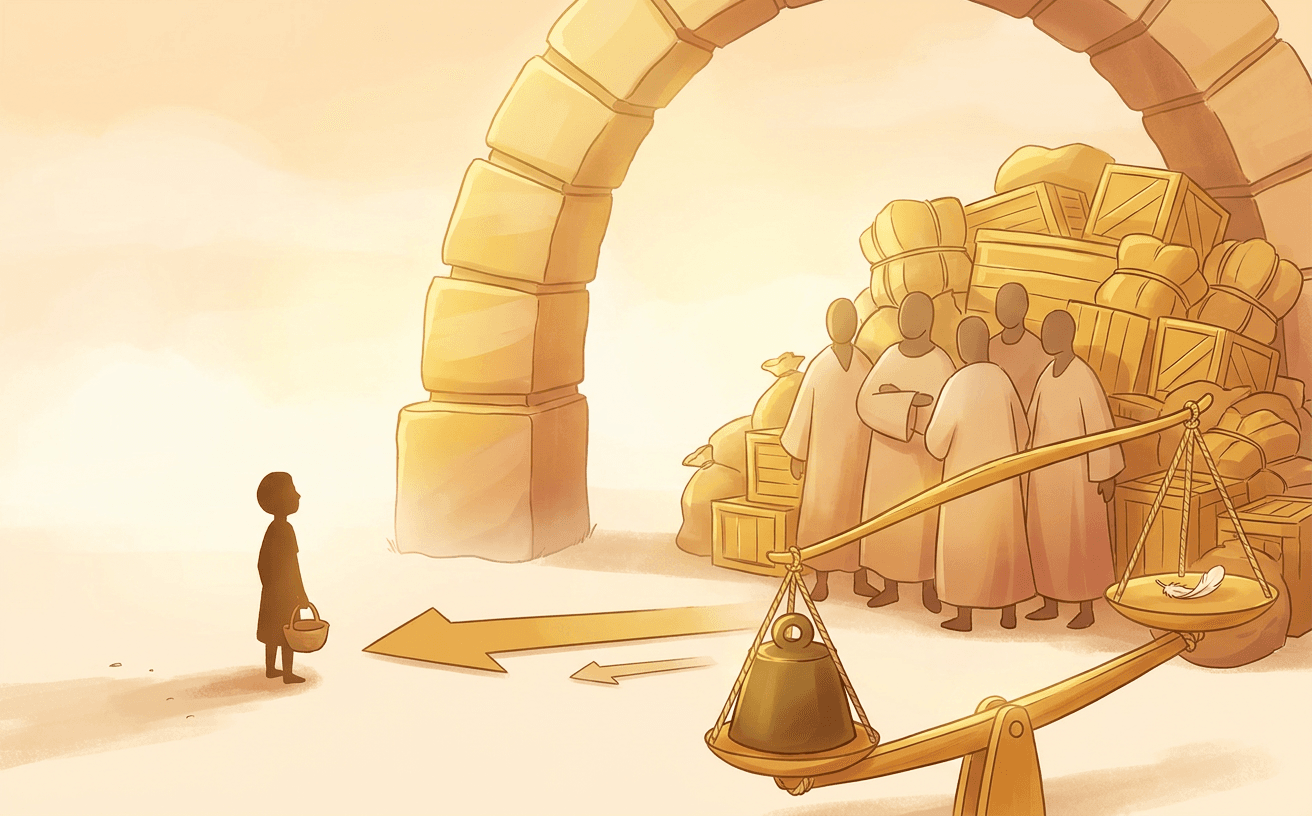
According to data analyzed by the , India's trade deficit with the expanded grouping has reached a significant $226 billion. While countries now account for 41.5% of India’s total merchandise imports, their share in India’s exports has slightly declined, highlighting a growing imbalance driven primarily by imports from China, the UAE, and Russia.
Exam perspectives
This article highlights a critical issue in India's external sector: a widening trade deficit (when the value of imports exceeds the value of exports) with key strategic partners. The data reveals that India's imports from BRICS nations surged by 131.8% between FY2021 and FY2026, while exports grew only by 48.8%. This asymmetric growth indicates that India is increasingly relying on these countries as a source for goods—such as energy from Russia and manufactured goods from China—rather than as export destinations. From a macroeconomic perspective, persistent high trade deficits can put pressure on the Current Account Deficit (CAD) and the value of the Rupee. The GTRI report emphasizes the need to address non-tariff barriers (restrictive trade practices other than taxes, like quotas or strict standards) and promote higher-value exports to prevent further widening of the deficit. UPSC candidates should connect this to the broader challenges of boosting domestic manufacturing under initiatives like Make in India and the ongoing structural shifts in global supply chains.
The trade dynamics within the expanded BRICS grouping reveal a "China-centric hub-and-spoke pattern," rather than a balanced multilateral trading system. China alone accounted for about 41% of India's imports from the bloc, while Indian exports to China actually declined. This economic asymmetry complicates the geopolitical goals of BRICS, which aims to create a multipolar world order and reduce dependence on Western financial systems. The grouping's overall intra-regional trade (trade among members of a specific bloc) is surprisingly low compared to its global footprint; they export only 18.8% of their combined exports to one another. For India, the challenge lies in balancing its strategic engagement in BRICS with the economic reality of an increasing trade deficit, particularly with China, which remains a key strategic rival. Candidates should analyze how economic dependencies influence foreign policy and the effectiveness of multilateral forums like BRICS when dominated by a single economic powerhouse.
The changing trade patterns with specific BRICS members highlight the geographical realignment of India's supply chains, primarily driven by energy needs and geopolitics. The most dramatic shift is the tenfold increase in imports from Russia, largely fueled by discounted crude oil purchases following the outbreak of the Russia-Ukraine conflict. This demonstrates a shift in India's energy security strategy, capitalizing on geopolitical events to secure cheaper resources. The UAE's position as a major export destination is also significant, reflecting the impact of the Comprehensive Economic Partnership Agreement (CEPA) signed between India and the UAE. Analyzing trade data geographically reveals vulnerabilities, such as over-reliance on a few countries for critical imports (like electronics or active pharmaceutical ingredients from China). Understanding these spatial shifts in trade is crucial for evaluating India's efforts to diversify its supply chains and mitigate geopolitical risks.
Key references
AI-generated study notes, sourced from Economic Times. Verify facts and figures with standard sources.