
The looming crisis of world unemployment
Context
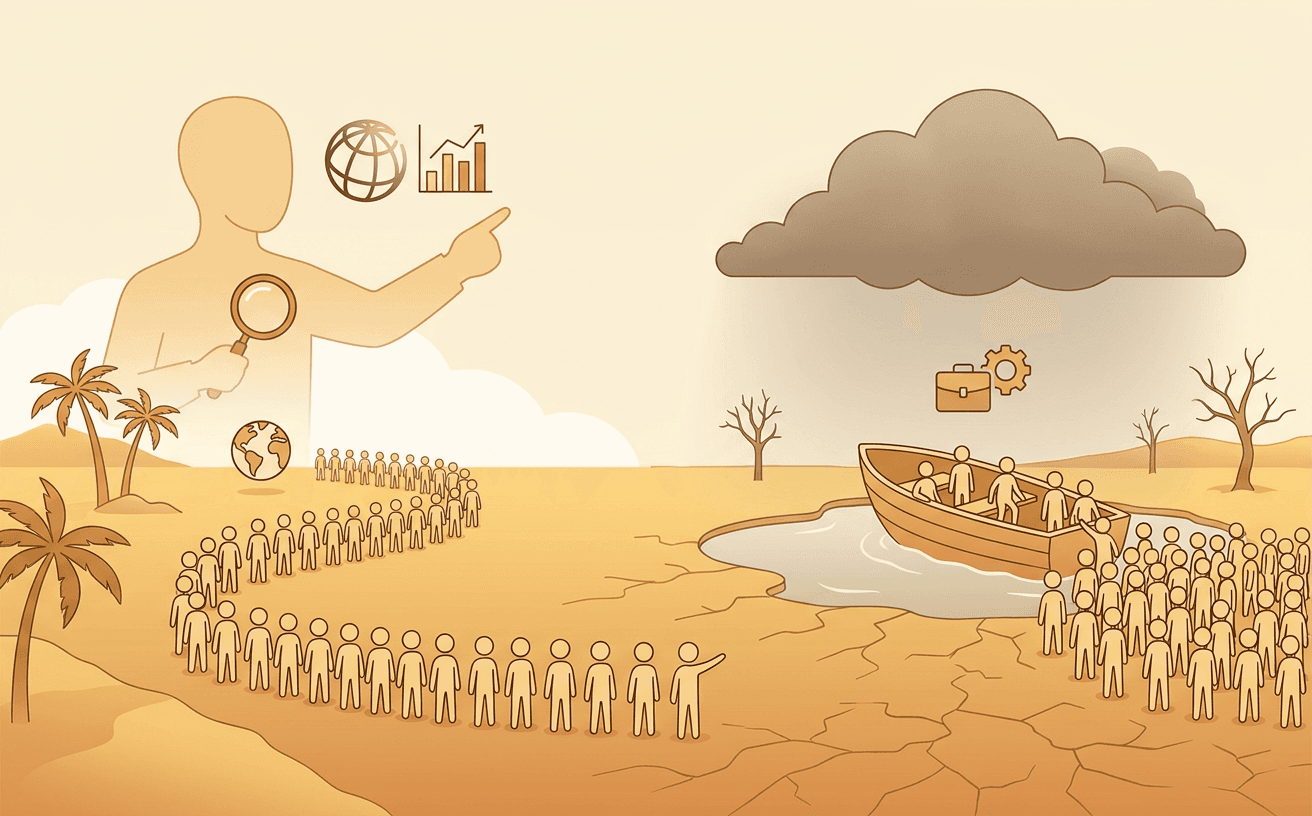
A recent forecast warns of a severe global jobs crisis, particularly affecting the Global South. Over the next decade, 1.2 billion young people will reach working age, but only 400 million viable jobs are expected to be created, leaving a massive deficit of 800 million jobs. This threatens to turn the anticipated **demographic dividend** into a source of widespread instability, as traditional pathways to economic mobility stall in countries like India.
Exam perspectives
The core issue highlighted is the failure to realize the demographic dividend, a concept crucial to development economics. The demographic dividend occurs when a declining birth rate changes the age structure of a population, resulting in a larger proportion of working-age adults compared to dependents. This shift typically spurs economic growth through increased labour force participation, higher savings rates, and capital accumulation, as seen in the East Asian Tiger economies (like South Korea and Taiwan) in the late 20th century. However, this theoretical framework is breaking down for developing nations today. The sheer pace of population growth in the Global South is outpacing the economy's capacity to absorb new entrants into the workforce. This 'youth bulge' is happening precisely when traditional drivers of job creation, such as low-skill manufacturing, are threatened by automation and global economic shifts. Consequently, the lack of sufficient productive employment threatens to transform a potential economic boom into a period of stagnation or crisis. UPSC candidates should connect this to concepts like jobless growth and the need for structural transformation in developing economies, particularly focusing on how to enhance human capital and create sustainable livelihoods.
The social implications of this projected 800 million job deficit are profound and alarming. A massive cohort of unemployed or underemployed youth can lead to significant social instability, often referred to as a demographic disaster or nightmare. When expectations for economic mobility and a better standard of living are unmet, it can breed frustration, social unrest, and political volatility. This is particularly relevant for India, which boasts one of the youngest populations globally. The inability to provide meaningful employment can exacerbate existing inequalities and lead to a rise in poverty, crime, and radicalization. Furthermore, the lack of jobs disproportionately affects marginalized groups and women, hindering efforts towards inclusive growth. This necessitates a strong focus on social protection measures, skill development, and education reform. For UPSC Mains, analyze this issue in the context of Sustainable Development Goal 8 (Decent Work and Economic Growth) and the need for robust human capital development policies that go beyond just education to ensure employability and social cohesion.
From a governance perspective, the World Bank forecast underscores the urgent need for proactive and innovative policy responses. Traditional models of relying on low-cost labor for export-oriented manufacturing may no longer be sufficient or viable in the modern global economy. Governments in the Global South, including India, must focus on creating an enabling environment for job creation. This involves structural reforms, promoting entrepreneurship, improving the ease of doing business, and investing heavily in infrastructure and green technologies, which have the potential to be significant employment drivers. Moreover, governance must adapt to ensure that the workforce is equipped with the necessary skills for the jobs of the future, emphasizing vocational training and digital literacy. The focus must shift from simply generating economic growth to ensuring employment-intensive growth. In India, initiatives like Skill India, Make in India, and the National Education Policy 2020 are crucial in this context, but their effective implementation and alignment with global economic trends are critical. UPSC questions may ask to critically evaluate existing employment generation schemes (like MGNREGA) and suggest comprehensive strategies to bridge the looming employment gap.
Key references
AI-generated study notes, sourced from The Hindu. Verify facts and figures with standard sources.