
Three die while cleaning septic tank in Raipur Hospital; incident sparks outrage over sanitation workers safety
Context
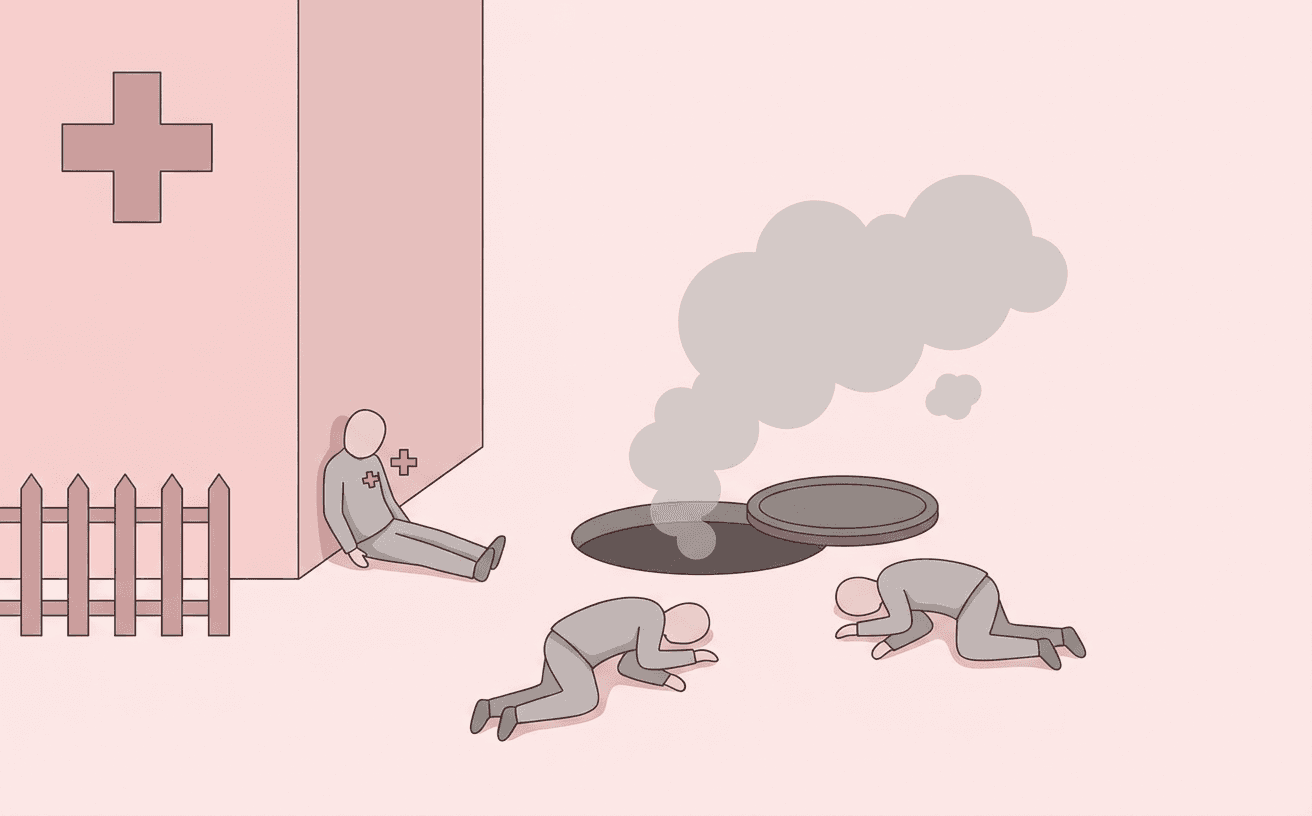
Three sanitation workers died and one was critically injured due to suspected asphyxiation after inhaling toxic gases while cleaning a septic tank without safety gear at a private hospital in Raipur, Chhattisgarh. The incident has sparked protests and prompted the state government to announce stricter enforcement of regulations requiring municipal permission for sewer entry and adherence to the .
Exam perspectives
This tragedy highlights the persistent and grim reality of manual scavenging in India, an issue deeply intertwined with the caste system. Despite the legal prohibition under the Prohibition of Employment as Manual Scavengers and their Rehabilitation Act, 2013 (PEMSR Act), sanitation workers, predominantly from marginalized Dalit communities, continue to be employed in hazardous conditions for sewer and septic tank cleaning. The persistence of this practice underscores a profound failure in social justice and the protection of basic human dignity, contravening the spirit of Article 17 (Abolition of Untouchability) and Article 21 (Right to Life with Dignity). For UPSC, understanding the socio-economic vulnerabilities that compel individuals into this hazardous work and the societal apathy surrounding their deaths is crucial. Questions may focus on the effectiveness of rehabilitation schemes like the NAMASTE scheme (National Action for Mechanised Sanitation Ecosystem) and the need for comprehensive social security measures to uplift these vulnerable groups.
The incident reveals glaring gaps in the implementation and enforcement of existing laws. The PEMSR Act, 2013 mandates the complete eradication of manual scavenging and prescribes stringent penalties for those employing individuals for hazardous cleaning without protective gear. However, as this case illustrates, compliance remains poor, often due to weak monitoring mechanisms, lack of accountability, and the informal nature of employment through contractors. The Chhattisgarh Chief Minister's directive to require municipal permission for sewer entry is a step towards better regulation, but it highlights the systemic failure of local bodies in proactive enforcement. From a governance perspective, the focus should be on strengthening institutional capacity, ensuring swift legal action against violators (as discussed in the State Monitoring Committee meeting), and leveraging technology for mechanized cleaning. UPSC aspirants should analyze the role of Urban Local Bodies (ULBs) in waste management and the challenges in transitioning from manual to mechanized sanitation ecosystems.
The legal framework surrounding sanitation work is robust on paper but weak in practice. The PEMSR Act, 2013 explicitly defines 'hazardous cleaning' and makes it a cognizable and non-bailable offense to employ anyone for such tasks without fulfilling statutory safety obligations. Furthermore, Supreme Court judgments, such as in the case of Safai Karamchari Andolan vs. Union of India (2014), have reinforced the fundamental rights of sanitation workers and mandated compensation of ₹10 lakh to the families of those who die in sewers. The proposed FIR in this incident must address violations of the PEMSR Act alongside relevant sections of the Bharatiya Nyaya Sanhita (BNS) concerning negligence causing death. For exam purposes, candidates should be familiar with the penal provisions of the PEMSR Act, the mandate of the National Commission for Safai Karamcharis (NCSK), and the judicial interventions that seek to enforce accountability and ensure adequate compensation and rehabilitation for victims and their families.
Key references
AI-generated study notes, sourced from The Hindu. Verify facts and figures with standard sources.