
UN chief to stress multipolarity, UNSC reforms at BRICS Summit in India
Context
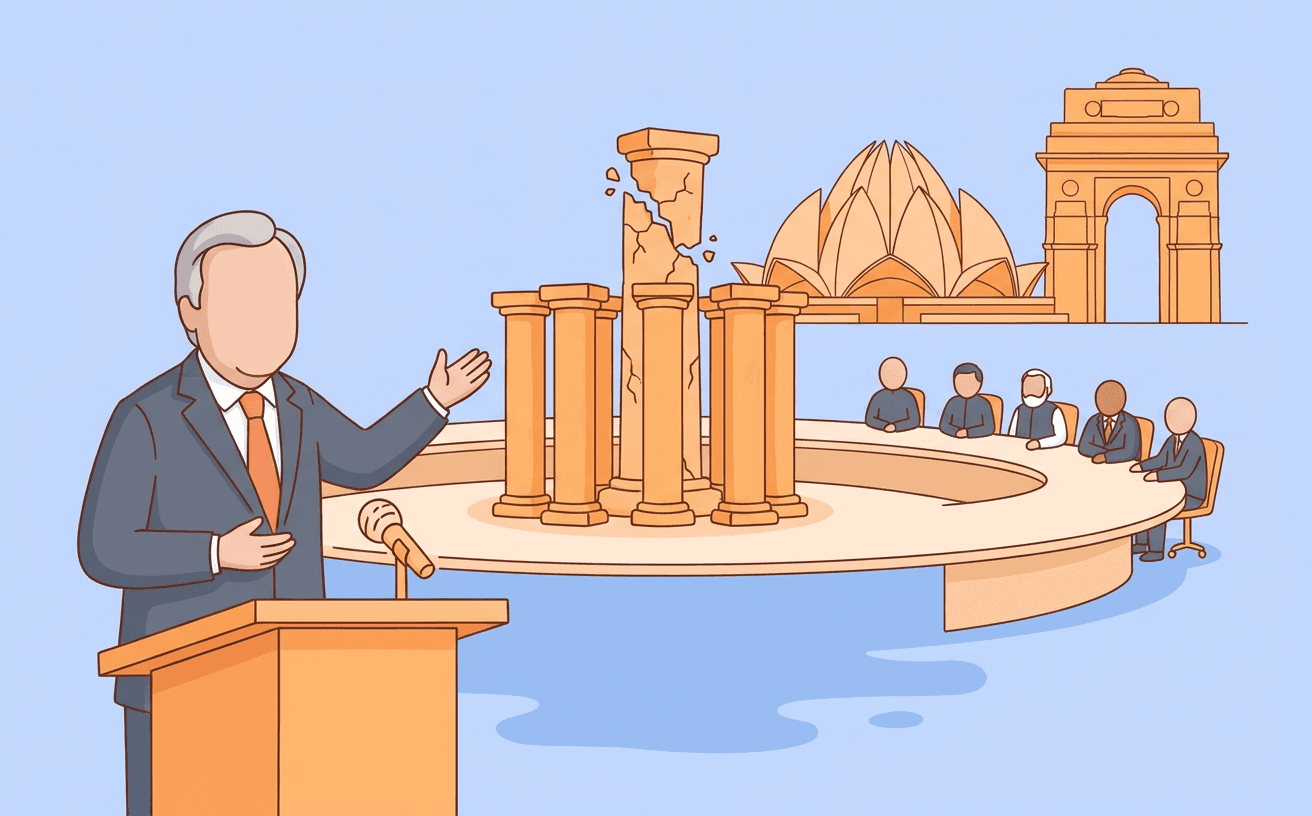
is scheduled to address the 18th Summit in New Delhi, India. His speech will focus on the necessity of **multipolarity** and the urgent need to reform multilateral institutions like the and the to reflect contemporary geopolitical realities. India, currently holding the chair for 2026, has long advocated for comprehensive reforms, including a permanent seat on the .
Exam perspectives
The call for UNSC reform touches upon the core of global governance architecture. The current structure, established post-WWII, concentrates power among the P5 (US, UK, France, Russia, China), largely ignoring the economic and demographic shifts of the 21st century. India's demand for a permanent seat is rooted in its status as the world's most populous democracy, a major economy, and a significant contributor to UN Peacekeeping forces. The lack of equitable representation undermines the legitimacy and effectiveness of the UN in addressing modern crises. The demand for reform also extends to international financial institutions (the Bretton Woods system comprising the World Bank and IMF), where voting power is disproportionately skewed towards developed Western nations. From a UPSC perspective, understanding the historical context of the UN Charter, the specific proposals for reform (like the G4 nations' platform), and the resistance from the 'Uniting for Consensus' (Coffee Club) group is crucial.
The concept of multipolarity—a system where power is distributed among several states rather than being dominated by one or two—is central to contemporary global governance. BRICS (Brazil, Russia, India, China, South Africa) was conceptualized as a challenge to Western hegemony and a platform to amplify the voices of the Global South. The presence of the UN Secretary-General at the BRICS summit underscores the grouping's growing influence. The theme of India's chairship, focusing on resilience, innovation, and inclusive growth, highlights the governance priorities of emerging economies. Furthermore, the inclusion of "partner countries" and outreach invitees at the 18th summit reflects an expanding footprint, creating a more diverse forum for deliberation on issues like the economic fallout of regional conflicts (e.g., West Asia). Aspirants must track how regional groupings like BRICS interact with and influence established global bodies like the UN.
The push to reform the Bretton Woods system is fundamentally an economic governance issue. The current quotas and voting shares in the IMF and World Bank do not accurately reflect the economic weight of emerging markets like India and China. This structural imbalance affects global economic policymaking, crisis management, and development financing. BRICS has actively tried to create parallel economic institutions, such as the New Development Bank (NDB) and the Contingent Reserve Arrangement (CRA), to reduce reliance on Western-dominated structures and promote local currency trade to mitigate vulnerability to US dollar fluctuations. The UN chief's acknowledgment of this need for reform validates the long-standing economic grievances of the Global South. For the exam, candidates should analyze the structure of the Bretton Woods institutions, the rationale behind BRICS economic initiatives, and the broader debate on global financial architecture reform.
Key references
AI-generated study notes, sourced from The Hindu. Verify facts and figures with standard sources.