
U.S. Senate advances sanctions bill targeting Russian-Iranian oil buyers, including India and China
Context
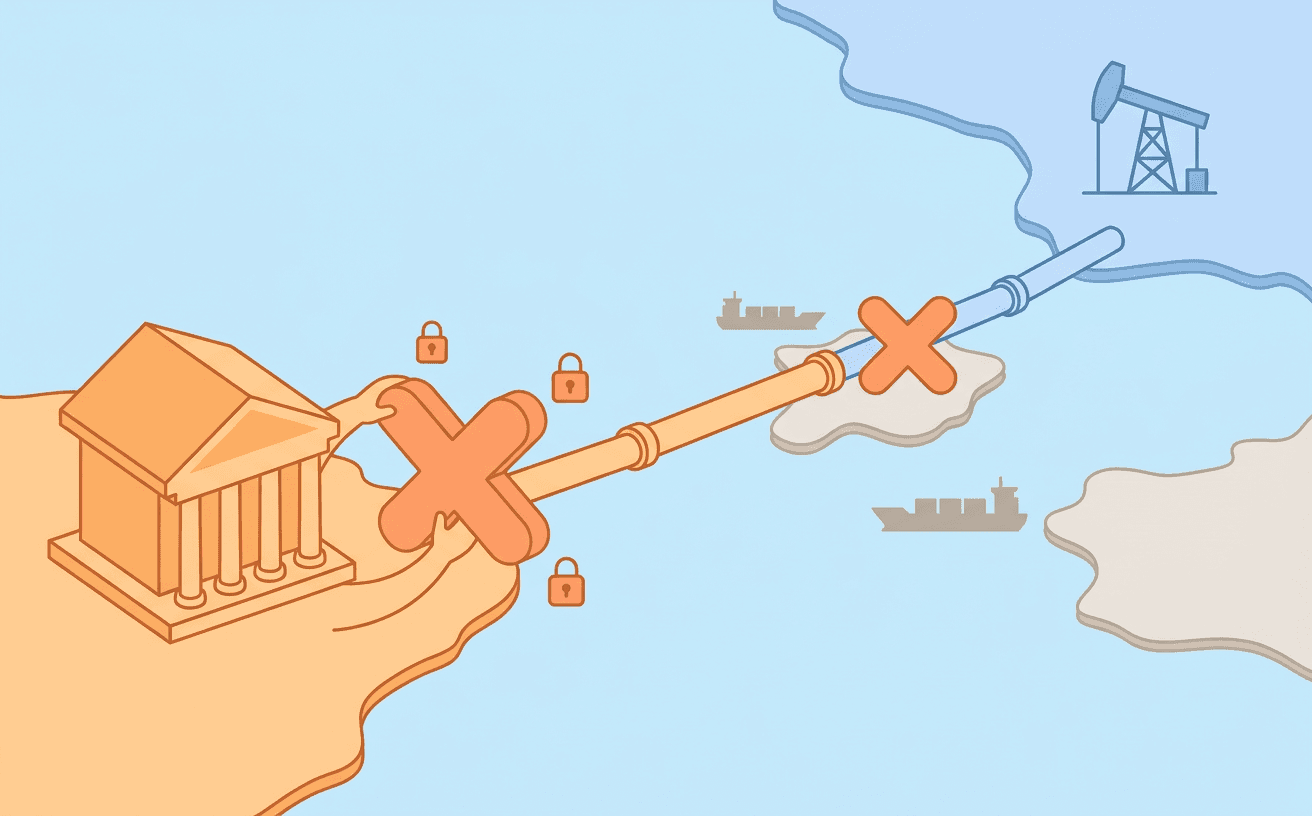
The U.S. Senate has advanced a bipartisan bill, the Lindsey O. Graham Sanctioning Russia and Iran Act of 2026, aimed at imposing sanctions and tariffs on countries purchasing oil from Russia and Iran. This legislation explicitly targets major buyers like India and China, proposing tariffs up to 100% on the top five purchasers of Russian oil and gas, raising significant concerns for India's energy security and its bilateral relationship with the United States.
Exam perspectives
This development highlights the complexities of navigating strategic autonomy in a multipolar world. India's foreign policy has traditionally prioritized its national interest, specifically energy security, which necessitates maintaining strong economic ties with Russia despite Western sanctions. The proposed US legislation threatens this delicate balance by potentially invoking secondary sanctions (penalties on third parties doing business with a sanctioned entity). This forces India to manage the friction between its strategic partnership with the US, formalized through agreements like LEMOA and COMCASA, and its historical reliance on Russian energy and defense supplies. The bill's characterization of India and China as 'main culprits' fuelling the Russian 'war machine' underscores the growing divergence in how the US and India perceive the Ukraine conflict and the resulting geopolitical alignments. A potential question in UPSC Mains could ask candidates to evaluate the impact of US sanctions regimes on India's strategic autonomy and bilateral relations.
The proposed 100% tariffs on countries purchasing Russian oil present a severe threat to India's energy security and economic stability. India imports over 80% of its crude oil requirements, and since the outbreak of the Ukraine conflict, Russia has emerged as a top supplier due to heavily discounted prices. If enacted, the tariffs could force India to either drastically reduce Russian imports, leading to higher energy costs and inflationary pressures, or face retaliatory trade measures from the US, one of its largest trading partners. The legislation also introduces the concept of a 'shadow fleet' (vessels operating outside standard insurance and regulatory frameworks to bypass sanctions), which complicates the global oil trade network. The dynamic nature of the bill, requiring a reassessment of the top five purchasers every 180 days by the U.S. Trade Representative, adds uncertainty to India's long-term energy procurement strategies. Candidates should analyze the economic rationale behind India's oil purchases from Russia and the potential macroeconomic fallout of US secondary sanctions.
The article illustrates the intricacies of the US legislative process and its impact on global affairs. The use of a cloture motion demonstrates how the US Senate manages debate and advances controversial legislation. This mechanism is crucial for overcoming a filibuster (a tactic used to delay or block a vote) by setting a time limit on debate. The bill's progression also highlights the dynamics of bipartisanship in the US Congress, where Democrats and Republicans have aligned on the issue of sanctioning Russia and Iran, despite potential friction with the Executive branch over tariff authority. The statement from House Democrats expressing concern over granting the President 'massive new tariff powers' points to the ongoing tension between the legislative and executive branches regarding trade policy. Understanding these institutional processes is essential for comprehending how domestic US politics can directly shape international trade and security environments, a concept often tested in UPSC GS Paper 2.
Key references
AI-generated study notes, sourced from The Hindu. Verify facts and figures with standard sources.