
U.S. Senate passes Russia sanctions bill that seeks 100% tariffs on India, four others
Context
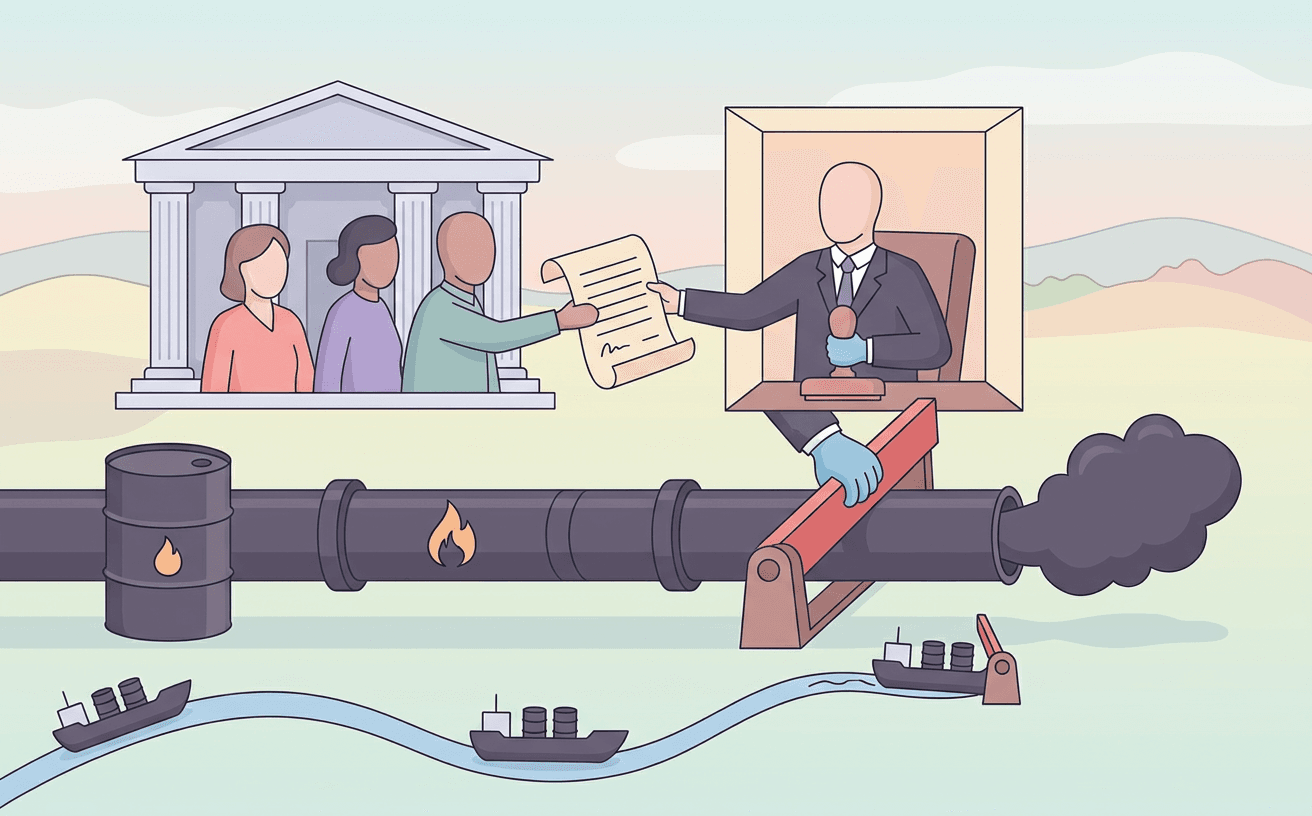
The U.S. Senate has passed the Lindsey O. Graham Sanctioning Russia and Iran Act of 2026, a bill designed to punish Russia by targeting its energy exports. The legislation empowers the U.S. President to impose 100% tariffs on the top five importers of Russian oil and gas, which currently includes India and China. This move represents a significant escalation in U.S. economic statecraft, utilizing secondary sanctions and tariffs to enforce its geopolitical objectives regarding the ongoing conflict in Ukraine.
Exam perspectives
This legislation illustrates the concept of economic statecraft and the use of secondary sanctions. Unlike primary sanctions, which restrict U.S. entities from doing business with a target country (like Russia), secondary sanctions aim to compel third-party countries (like India) to comply with U.S. policy by threatening their access to the U.S. market. The threat of 100% tariffs acts as a punitive measure. This strategy forces countries into a difficult cost-benefit analysis: the economic advantage of cheap Russian energy versus the potential loss of trade with the United States. Furthermore, the bill extends the Iran Sanctions Act of 1996, penalizing investments in Iran's energy sector. This highlights the broad scope of U.S. economic levers to influence global energy markets and the strategic choices of other nations. UPSC often asks about the impact of international trade policies and sanctions on India's economy.
The passage of this bill highlights the complex interplay between the legislative and executive branches in U.S. foreign policy. The Senate (legislative branch) is granting the President (executive branch) sweeping new tariff authorities. This delegation of power is controversial, as noted by critics who argue it could lead to the weaponization of trade policy. In the context of global governance, this unilateral action by the U.S. bypasses multilateral institutions like the World Trade Organization (WTO), raising questions about the legitimacy and effectiveness of unilateral economic coercion. The bill's success, driven partly by the legacy of the late Senator Lindsey Graham, demonstrates how domestic political dynamics and bipartisanship can rapidly shape significant international legislation. The bill must still pass the House of Representatives, illustrating the checks and balances within the U.S. system. Understanding these dynamics is crucial for grasping how foreign policy is formulated and executed.
For India, this U.S. legislation presents a significant challenge to its strategic autonomy and energy security. India imports a substantial portion of its crude oil, and since the start of the Ukraine war, discounted Russian oil has become a vital component of its energy mix, helping to manage domestic inflation and stabilize the economy. The threat of 100% tariffs from the U.S., a major trade partner and strategic ally, forces a critical reassessment of this strategy. The Indian government must navigate a delicate diplomatic path, balancing its national interest in affordable energy with its crucial relationship with the United States. This scenario underscores the complexities of multi-alignment in a polarized world order, where maintaining positive relations with all major powers is increasingly difficult. UPSC candidates should analyze the implications of such external pressures on India's foreign policy choices and its efforts to secure stable energy supplies.
Key references
AI-generated study notes, sourced from The Hindu. Verify facts and figures with standard sources.