
We must reform the Security Council: UN chief Guterres in final UNGA address
Context
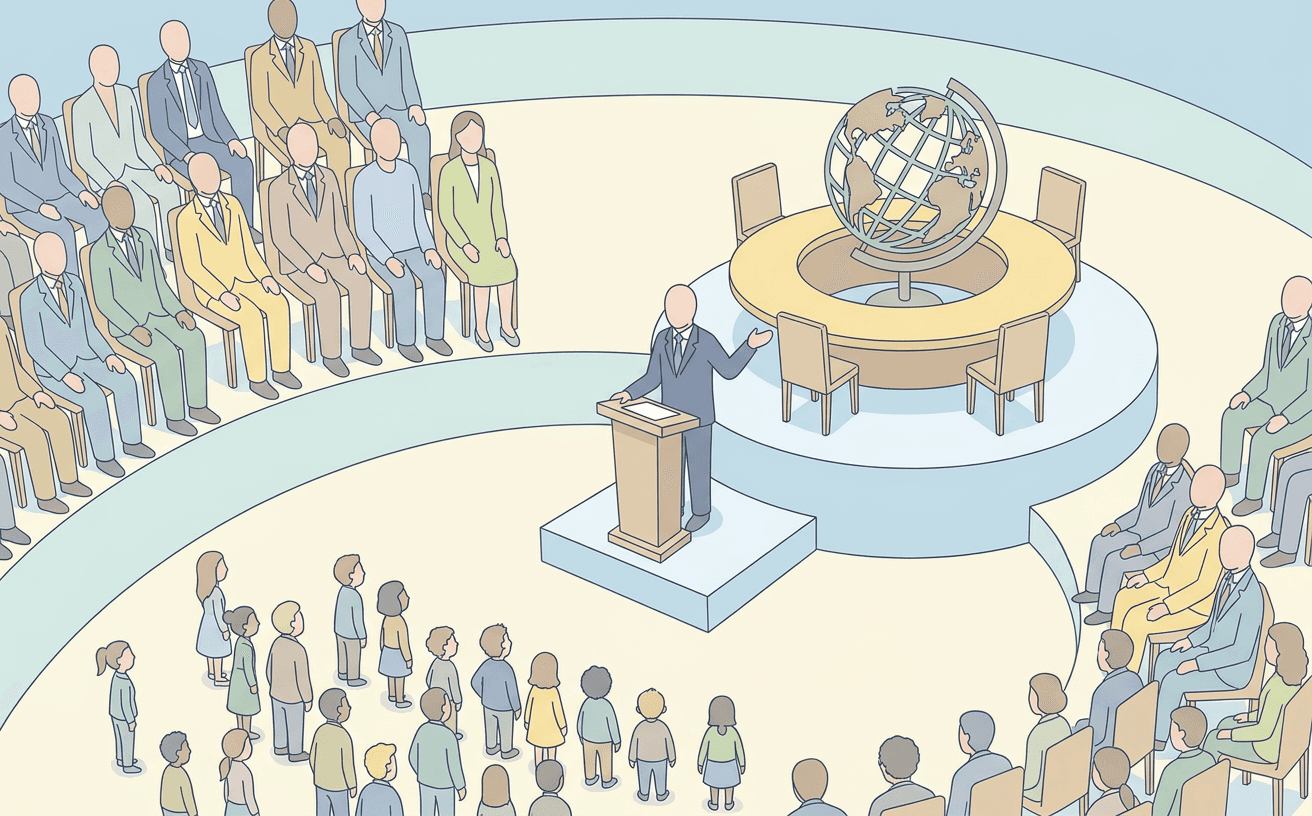
In his final address to the (UNGA), UN Secretary-General Antonio Guterres strongly advocated for the reform of the (). He argued that the current structure, established post-World War II, no longer reflects contemporary geopolitical realities, citing the lack of permanent representation for Africa as a primary example of this inequity.
Exam perspectives
The UNSC is the primary global organ tasked with maintaining international peace and security. However, its current structure, featuring five permanent, veto-wielding members (P5) – the US, UK, France, Russia, and China – reflects the power dynamics of 1945, not the 21st century. Guterres highlights that this outdated model leads to institutional paralysis, especially given the deep polarization among the P5 on major global conflicts. The lack of representation for major regions like Africa and emerging powers like India undermines the legitimacy and effectiveness of the body. In UPSC terms, this raises critical questions about the democratization of global institutions and the challenges of achieving collective action in a multipolar world.
India has been a consistent and vocal advocate for UNSC reform, arguing for expansion in both permanent and non-permanent categories. India is part of the G4 nations (along with Brazil, Germany, and Japan) actively lobbying for permanent seats. From an Indian perspective, securing a permanent seat is seen as a recognition of its rising global stature, economic weight, and significant contributions to UN peacekeeping operations. The current bid for a non-permanent seat (2028-29) is part of a broader strategy to assert its right to a permanent position. The continuous failure to reform the UNSC highlights the rigidities of international institutions and the difficulties in amending foundational treaties like the UN Charter, which requires the consent of the P5.
Guterres warns of a "Great Fracture" – a division of the world into rival blocs, emphasizing the need for a networked multipolarity rather than fragmented transactionalism. This concept of networked multipolarity suggests a system where multiple power centers coexist and cooperate within a framework of international law, recognizing interdependence. This is particularly relevant given the rising tensions between major powers (e.g., US-China) and the increasing influence of the Global South. The reform of institutions like the UNSC is crucial to managing this transition to a multipolar world peacefully, ensuring that the global governance architecture is representative and capable of addressing modern, complex challenges that transcend national borders.
Key references
AI-generated study notes, sourced from The Hindu. Verify facts and figures with standard sources.