
World’s top climate body deadlocked over inclusivity concerns
Context
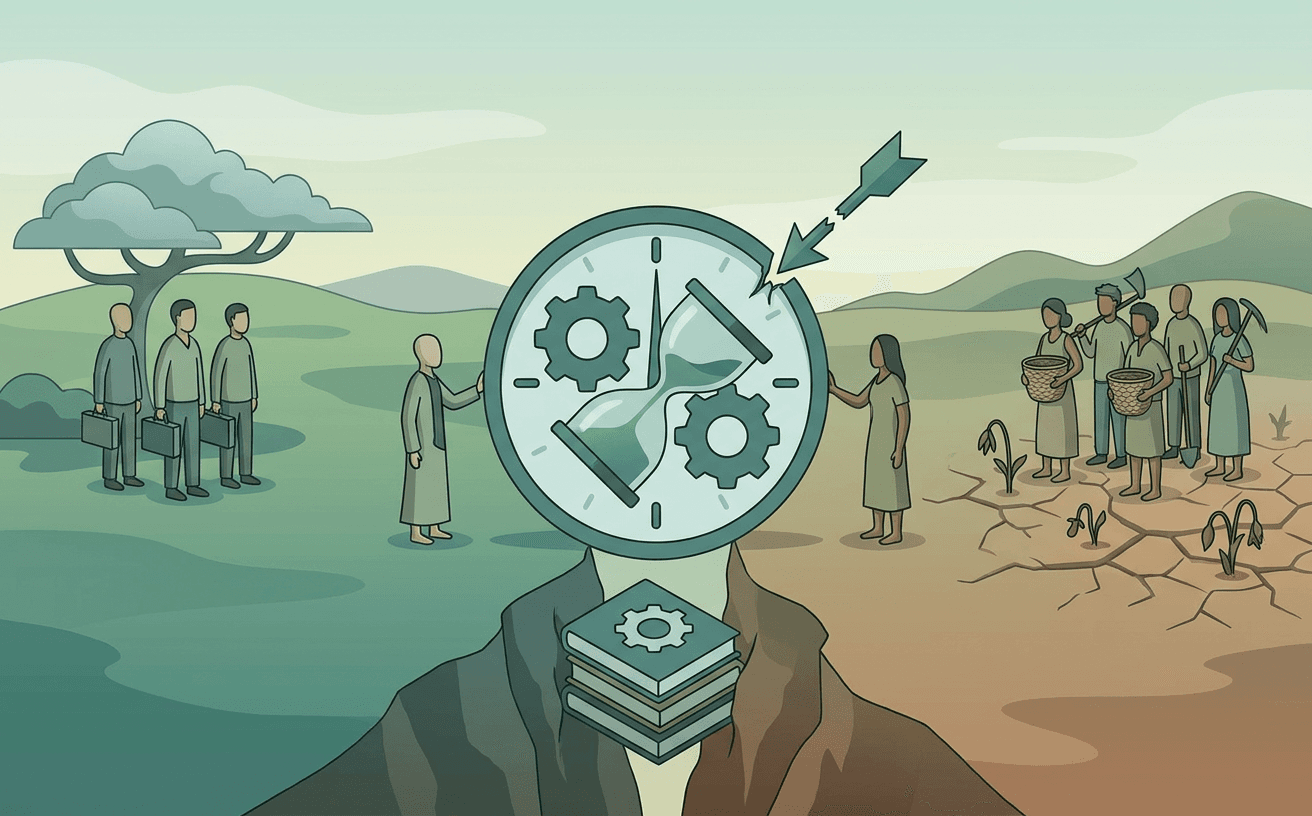
The is experiencing an unprecedented deadlock over the timeline for its next comprehensive review reports. Developing nations, including India, are advocating for a delayed release to ensure their scientific contributions are adequately represented, prioritizing inclusivity over aligning the publication with the 2028 UN climate talks (the second under the ). This impasse highlights the growing tension between the urgency of global climate action and the necessity of equitable participation in shaping the scientific consensus that drives it.
Exam perspectives
The Intergovernmental Panel on Climate Change (IPCC) serves as the primary scientific authority on global warming, and its assessment reports are foundational to international climate policy. The current deadlock revolves around the timing of the Seventh Assessment Report (AR7) cycle. Proponents of rapid action argue that reports must be finalized by 2028 to inform the next Global Stocktake (GST) under the Paris Agreement. The GST, occurring every five years, assesses collective progress towards achieving the agreement's goals, particularly limiting temperature rise to 1.5 degrees Celsius. Without updated IPCC consensus on critical issues, such as the reversibility of global warming, the 2028 GST might lack robust scientific grounding to mandate necessary, accelerated emissions reductions or informed decisions on climate financing. From a UPSC perspective, understanding the function of the IPCC—not conducting original research but assessing existing literature—and its direct linkage to the UNFCCC negotiation cycles is crucial for Mains questions on the international climate regime.
The conflict within the IPCC mirrors broader debates regarding equity and Common but Differentiated Responsibilities and Respective Capabilities (CBDR-RC) within international climate negotiations. Developing countries like India, Kenya, and China argue that a rushed timeline disadvantages scientists from less-resourced nations, who often lack the institutional support to quickly publish peer-reviewed research or participate in unpaid IPCC work. This systemic inequity can lead to reports that over-represent Northern perspectives on vulnerabilities and mitigation options, potentially overlooking the unique challenges and developmental imperatives of the Global South. Furthermore, this debate highlights the increasing politicization of the IPCC, as nations like Saudi Arabia and Russia seek to protect national interests tied to fossil fuels. The recent withdrawal of the United States—historically a major funder—adds another layer of institutional instability. UPSC questions might require analyzing how scientific assessments are influenced by geopolitical realities and the ongoing struggle for equitable representation in global governance structures.
The structure and processes of international scientific bodies like the IPCC are critical to global governance. The requirement for a consensus-based approach among 195 member states ensures broad buy-in but also makes the organization vulnerable to delays and deadlocks, as seen in the current situation regarding publication timelines. This highlights a governance challenge: balancing the urgent need for timely scientific advice with the fundamental requirement for comprehensive, inclusive, and rigorous assessment processes. The push by developing nations for "equity and inclusivity" in the scientific process itself challenges the historical dominance of Western research institutions in shaping the global climate narrative. For UPSC Mains, candidates should be prepared to discuss the challenges of multilateral decision-making, the democratization of scientific knowledge production, and how institutional structures (like the IPCC plenary sessions) impact the creation of global policies.
Key references
AI-generated study notes, sourced from The Hindu. Verify facts and figures with standard sources.