
Census 2027: Statistics and Statecraft
Context
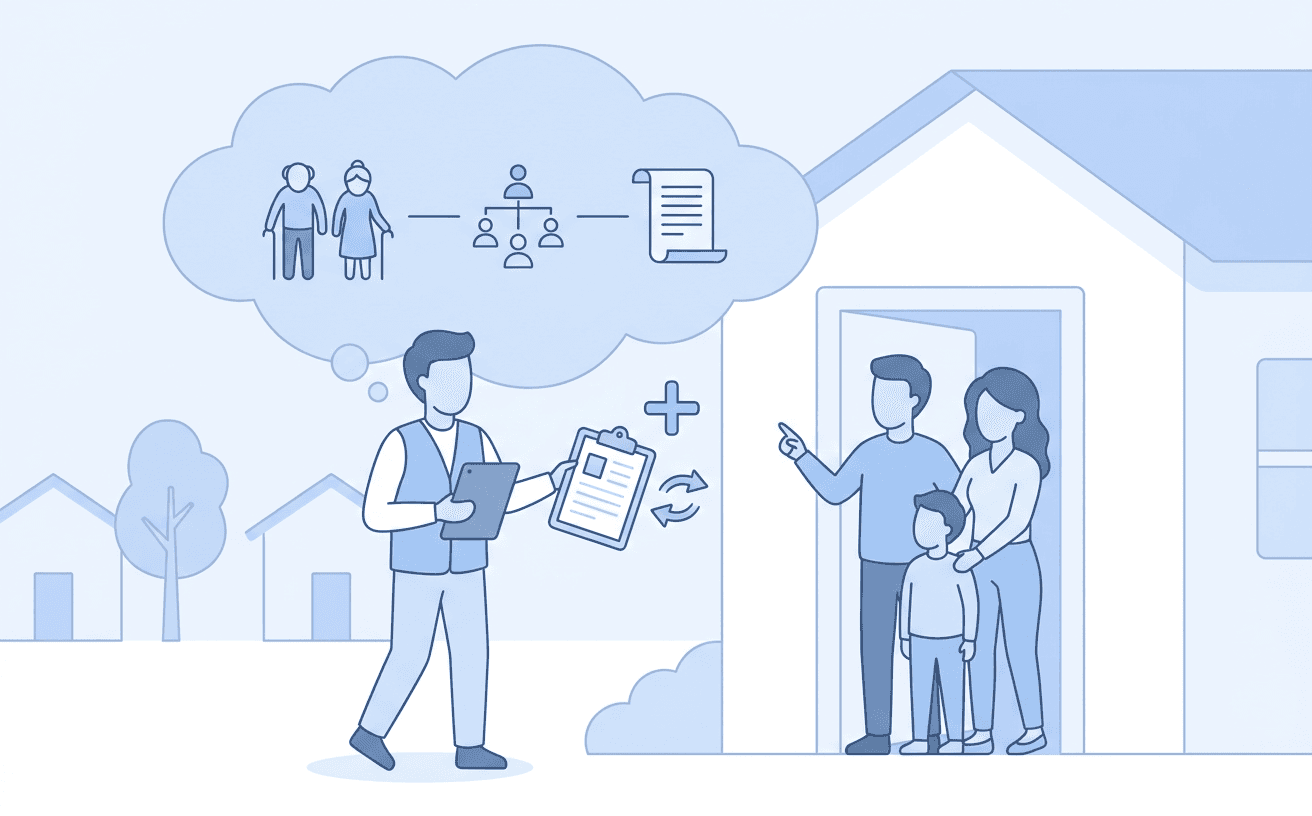
The population enumeration phase of Census 2027 is set to begin, introducing 13 new or modified questions compared to the 2011 Census. The updated questionnaire includes details regarding parents' birthplaces, which has sparked political debate due to similarities with the controversial (NPR) schedule notified in 2020. The article highlights the census as a reflection of state priorities and anxieties rather than a purely neutral statistical exercise.
Exam perspectives
The Census is the most significant source of demographic and socio-economic data in India, conducted under the Census Act, 1948. It serves as the bedrock for evidence-based policymaking, guiding resource allocation, welfare scheme design, and delimitation of constituencies. The delay in conducting the decennial census (originally scheduled for 2021) has severe implications for governance, particularly impacting the targeted delivery of schemes like the National Food Security Act (NFSA), which relies on outdated 2011 data. The inclusion of new questions in Census 2027 reflects evolving administrative needs but also highlights how statecraft is intertwined with data collection. UPSC aspirants should understand that the census is not just a counting exercise; it is an administrative tool that defines the relationship between the citizen and the state, and its timely execution is critical for robust public administration.
The debate surrounding the new census questions, particularly regarding parents' birthplaces, stems from concerns linking the Census to the National Population Register (NPR) and the proposed National Register of Citizens (NRC). The NPR, mandated under the Citizenship Act, 1955 (amended in 2004), aims to create a comprehensive identity database of every 'usual resident' in the country. The opposition fears that the data collected during the census could be weaponized to question citizenship status, thereby infringing upon fundamental rights, particularly Article 14 (Right to Equality) and Article 21 (Right to Life and Personal Liberty). This controversy underscores the delicate balance between the state's need for demographic data and the citizens' right to privacy, a concern elevated by the landmark Puttaswamy judgment (2017). Students must critically analyze the legal frameworks distinguishing the Census (anonymous, aggregate data) from the NPR (individual identity tracking).
A census provides critical insights into a nation's social evolution, capturing shifts in urbanization, migration patterns, educational attainment, and occupational structures. The changing questionnaire reflects society's changing values; for instance, the inclusion or exclusion of specific questions on caste or language can influence political discourse and policy priorities regarding affirmative action. The delay in the census has hindered our understanding of the social impact of recent phenomena like the COVID-19 pandemic on mortality, migration, and poverty levels. The data generated by Census 2027 will be crucial for updating our understanding of demographic dividends, aging populations, and regional imbalances, thereby informing policies aimed at achieving equitable sustainable development.
Key references
AI-generated study notes, sourced from The Hindu. Verify facts and figures with standard sources.