
Census 2027: What are the new questions, and how are enumerators being trained? | Explained
Context
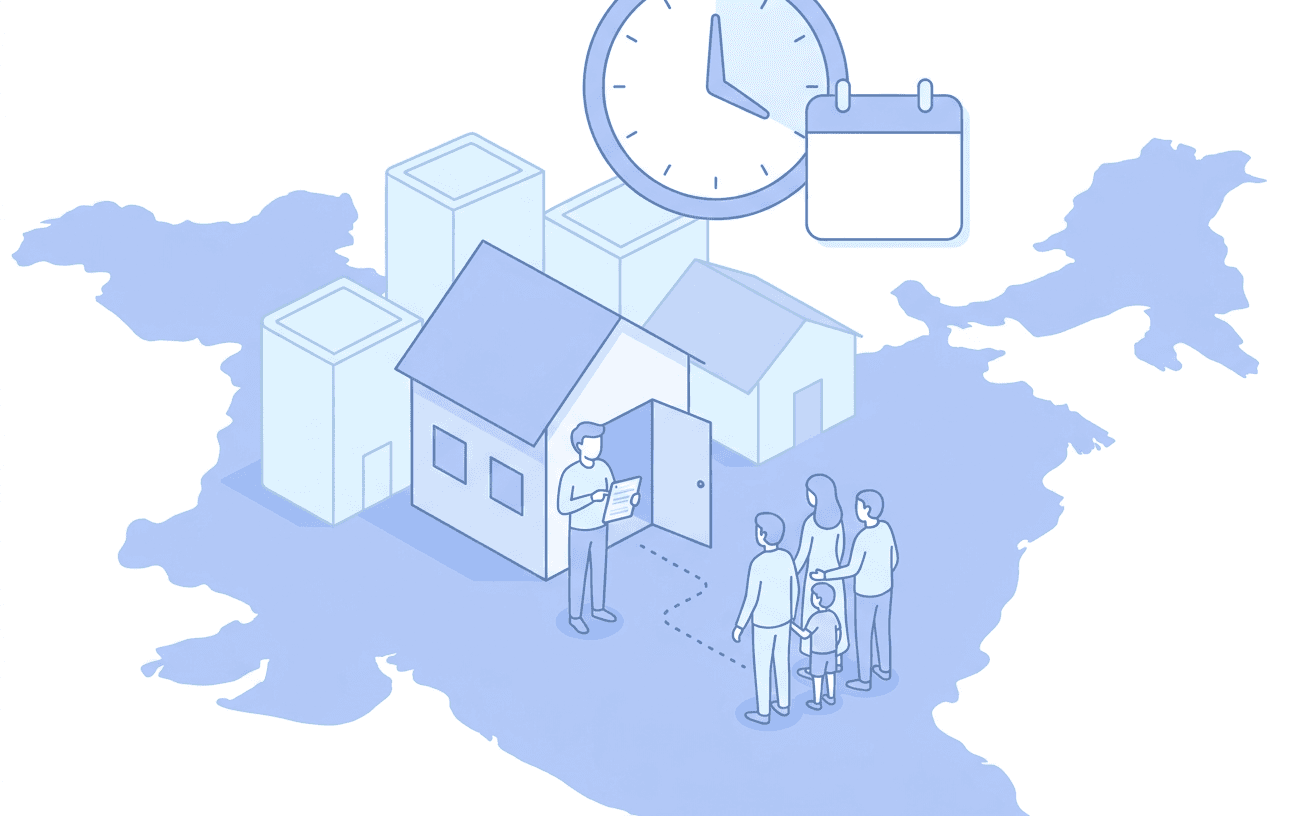
The second phase of India's Census, the Population Enumeration, is scheduled to begin in 2027, with early door-to-door enumeration starting on December 1, 2026, in four poll-bound states: Uttar Pradesh, Uttarakhand, Goa, and Punjab. This phase involves a comprehensive 40-question survey, requiring significantly more time (20-25 minutes per respondent) compared to the initial Houselisting Operations. Field trainers are currently preparing enumerators for this extensive data collection exercise.
Exam perspectives
The Census is a critical constitutional exercise under Article 246 of the Indian Constitution, placing it squarely in the Union List (Entry 69 of the Seventh Schedule). This means only the Central government has the legislative competence to conduct the Census. The exercise is governed by the Census Act, 1948, which mandates the confidentiality of the data collected and ensures that individuals cannot be penalized for providing information, thereby encouraging accurate responses. The decision to begin enumeration early in four specific states highlights the intersection of demographic data collection and electoral processes. Accurate census data is crucial for the Delimitation Commission, which redraws parliamentary and assembly constituencies based on population changes, ensuring the principle of 'one person, one vote.' UPSC often tests the constitutional basis of the Census and its implications for federalism, particularly how population data impacts the devolution of funds by the Finance Commission.
The implementation of the Census involves a massive administrative undertaking, managed by the Office of the Registrar General and Census Commissioner, India, under the Ministry of Home Affairs. The transition from the first phase (Houselisting) to the second phase (Population Enumeration) represents a significant shift in operational complexity. The Houselisting phase maps out dwellings, while the Population Enumeration dives deep into demographic details. The current news emphasizes the rigorous training required for enumerators, who must navigate a 40-question survey requiring 20-25 minutes per household. This highlights the challenges of capacity building and standardizing data collection across diverse linguistic and cultural landscapes. The shift towards potentially digital or mixed-mode enumeration in future censuses could streamline this, but the current focus remains on ensuring the accuracy and integrity of the ground-level data collection. Questions in Mains could focus on the administrative challenges of conducting a Census in a vast, diverse country like India and the importance of accurate data for effective policy formulation.
The Census is the most comprehensive source of demographic and socio-economic data in India. The 40 questions in the Population Enumeration phase are designed to capture a detailed snapshot of the nation's social fabric. This data is indispensable for tracking progress on key social indicators such as literacy, migration, fertility rates, and urbanization. Furthermore, it provides the baseline data required for designing and implementing targeted social welfare schemes. For instance, data on the Scheduled Caste and Scheduled Tribe populations is directly used for affirmative action policies and the allocation of funds under sub-plans. The inclusion of new questions or modifications to existing ones often reflects evolving societal norms and policy priorities. UPSC Prelims frequently tests knowledge of demographic trends derived from past censuses (e.g., sex ratio, child sex ratio), while Mains questions often ask candidates to analyze how demographic shifts impact socio-economic development and the need for adaptive policy-making.
Key references
AI-generated study notes, sourced from The Hindu. Verify facts and figures with standard sources.