
Centre sanctions new roads, infrastructure along China’s border
Context
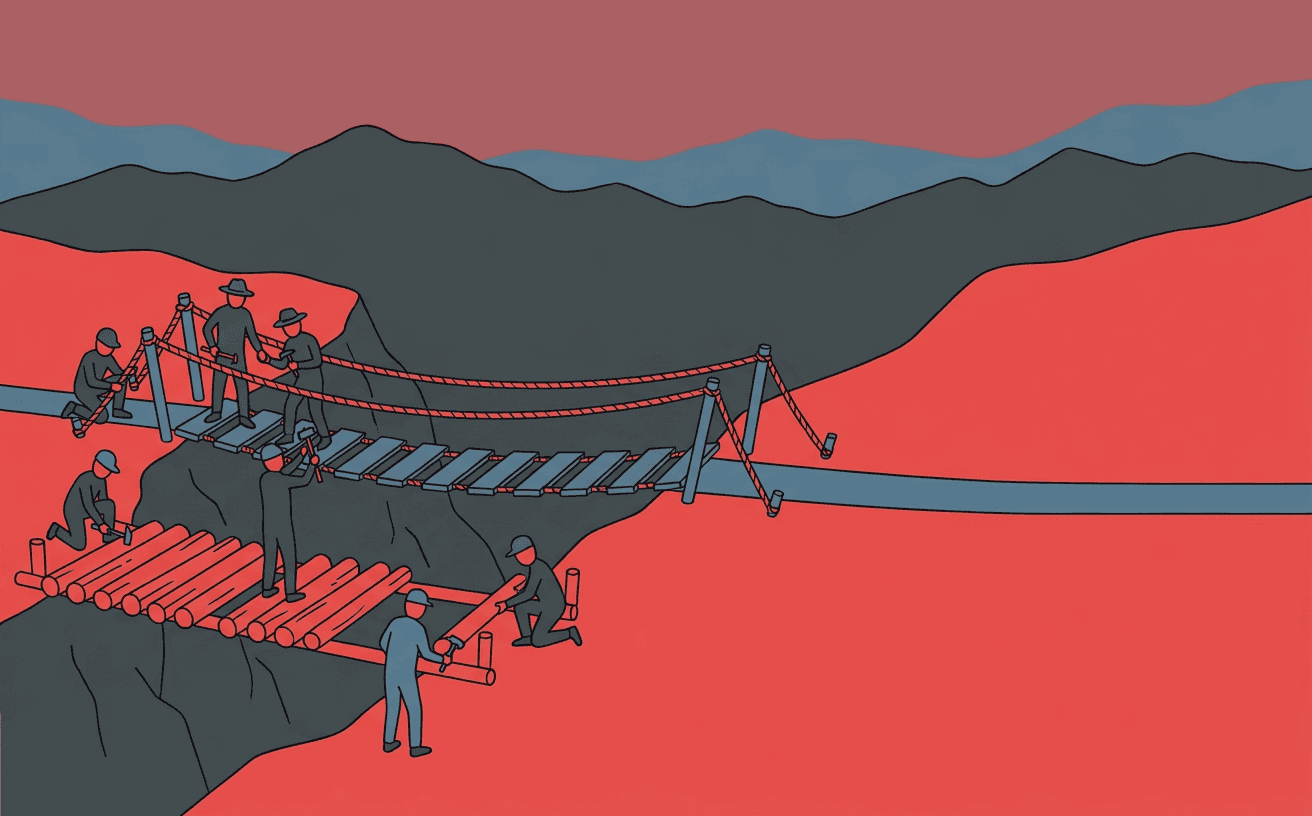
The has sanctioned the construction of new border infrastructure, including pedestrian suspension and log bridges, along the in Arunachal Pradesh amidst continuing face-offs with the Chinese Army since July. This follows the clearing the third phase of the Indo-China Border Roads (ICBR-III) project earlier this year, marking a significant push for border infrastructure development post the 2020 Galwan clashes.
Exam perspectives
The push for infrastructure development along the Line of Actual Control (LAC) is a crucial aspect of India's Border Management strategy. The difficult terrain and harsh weather conditions in regions like Arunachal Pradesh make logistical support and rapid deployment of troops challenging. The approval of the ICBR-III project, encompassing 26 new roads, and the construction of pedestrian tracks and bridges by the Indo-Tibetan Border Police (ITBP) aim to enhance the mobility and operational capability of Indian forces. The emphasis on modernizing border infrastructure is a direct response to China's rapid military buildup and infrastructural development on its side of the LAC. Former ITBP DG's remarks regarding the need to invest in drone and counter-drone technology highlight the changing nature of border warfare, moving away from purely traditional methods towards technology-driven surveillance and combat. UPSC aspirants should analyze the challenges in border management, the role of Central Armed Police Forces (CAPFs) like the ITBP, and the strategic importance of initiatives like the Border Area Development Programme (BADP).
The ongoing tensions and infrastructure push reflect the complex and volatile nature of India-China Bilateral Relations. Despite multiple rounds of high-level border talks, including the Working Mechanism for Consultation and Coordination on India-China Border Affairs (WMCC) and Special Representative talks, face-offs continue, underscoring the deep-seated mistrust and unresolved boundary disputes. Prime Minister Narendra Modi's assertion at the recent BRICS Summit that "peace and tranquility in the border areas remains an essential basis for the continued development of bilateral relations" reiterates India's firm stance that border stability is a prerequisite for normal diplomatic and economic ties. The shift of Corps Commander-level meetings from eastern Ladakh to the Eastern Sector (Arunachal Pradesh) indicates a broadening of the theater of tension. UPSC questions often focus on the evolution of India-China border disputes, the significance of the LAC, the impact of these tensions on regional geopolitics, and India's strategy to counter Chinese assertiveness through bilateral negotiations and multilateral forums like Quad and BRICS.
The geographical realities of the Line of Actual Control (LAC), particularly in the Eastern Sector (Arunachal Pradesh), significantly dictate the nature of the border dispute and the infrastructural requirements. The LAC traverses some of the most difficult and inhospitable terrains, characterized by high-altitude mountains, deep valleys, and dense forests. The article mentions the construction of suspension and log bridges in Upper Subansiri and Kurung Kumey districts, highlighting the need to overcome natural geographical barriers for troop movement. The weather conditions also play a critical role, limiting long-range patrols to a narrow window between June and October. Understanding the physical geography of the region is essential for analyzing the logistical challenges faced by the Indo-Tibetan Border Police (ITBP) and the Indian Army. In the Mains exam, aspirants might be asked to discuss how geographical factors influence border security strategies and the necessity of robust infrastructure to overcome geographical disadvantages in maintaining territorial integrity.
Key references
AI-generated study notes, sourced from The Hindu. Verify facts and figures with standard sources.