
China imposes export controls on tunnel-boring machines sought by India, citing ‘national security’
Context
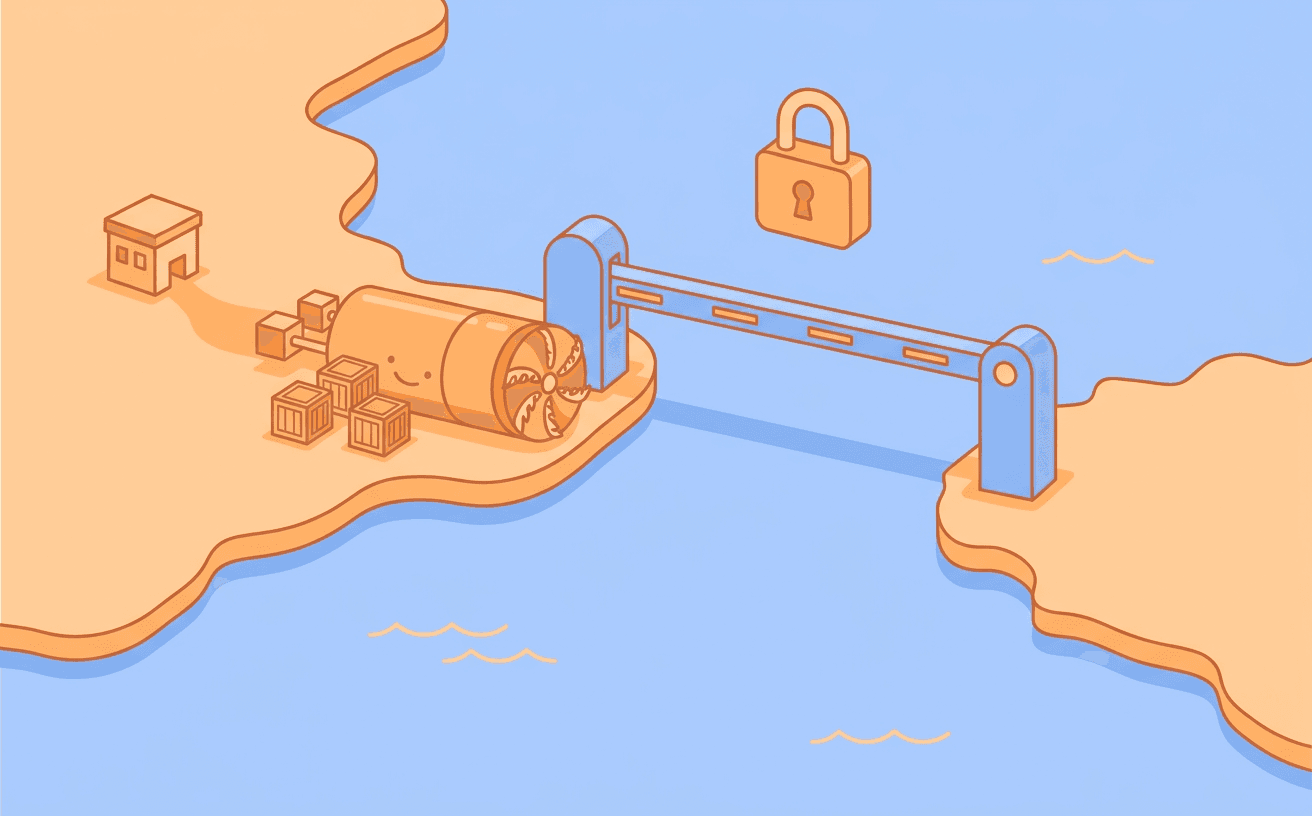
China has announced export controls on **Tunnel-Boring Machines (TBMs)** and related equipment, effective November 18, 2026, citing national security concerns. This move, characterized by China as regulating **dual-use technology**, directly impacts India's critical infrastructure projects, particularly in border areas and urban transport, which heavily rely on imported TBMs. The decision follows recent Chinese restrictions on other cutting-edge technologies like advanced solar manufacturing and drones, highlighting the growing **weaponization of trade** in international relations.
Exam perspectives
This development illustrates the increasing use of economic statecraft and the weaponization of supply chains by major powers. By classifying TBMs as dual-use technology (items with both civilian and military applications), China is leveraging its manufacturing dominance to exert geopolitical pressure. For UPSC Mains (GS Paper 2), this is a classic example of asymmetric interdependence, where India's reliance on Chinese imports for critical infrastructure creates a strategic vulnerability. The concept of de-risking—reducing reliance on a single supplier for critical goods—becomes crucial here. Students should connect this to the broader Sino-Indian border dispute and how economic tools are being deployed alongside military posturing. Questions may focus on strategies for India to secure its supply chains in an era where trade is increasingly securitized by powers like China, potentially challenging the principles of free trade under the World Trade Organization (WTO).
From an economic perspective, the restriction on TBMs directly threatens India's infrastructure push, a key driver of its economic growth strategy. TBMs are indispensable for projects under the National Infrastructure Pipeline (NIP), including metro railways, highways in mountainous terrain, and strategic tunnels (like the Atal Tunnel or Sela Pass Tunnel). India's near-total dependence on imports for such heavy machinery highlights a gap in its domestic capital goods sector. For GS Paper 3, this underscores the urgency of initiatives like Make in India and the Production Linked Incentive (PLI) scheme to build domestic capacity in heavy engineering. Furthermore, the article mentions restrictions on solar manufacturing technology, which could stall India's energy transition goals and its efforts to build an independent solar supply chain, a vital component of its commitments under the Paris Agreement. The economic impact of such delays translates to cost overruns and slowed GDP growth.
The strategic implications of this export control are significant for India's border management (GS Paper 3). TBMs are critical for constructing all-weather tunnels along the Line of Actual Control (LAC) to ensure rapid troop mobilization and year-round connectivity, which is vital for national security. China's move to choke the supply of these machines can be viewed as an attempt to slow down India's border infrastructure development, an area where India has been rapidly trying to close the capability gap with China under the aegis of the Border Roads Organisation (BRO). Additionally, the inclusion of drones and related components in the export control list impacts India's modernization of its armed forces and its efforts to build a robust domestic defense ecosystem. UPSC questions could explore the intersection of trade dependencies and national security, focusing on how India can build resilience against external shocks to its strategic infrastructure projects.
Key references
AI-generated study notes, sourced from The Hindu. Verify facts and figures with standard sources.