
COVID-19 lessons should inform response to air pollution
Context
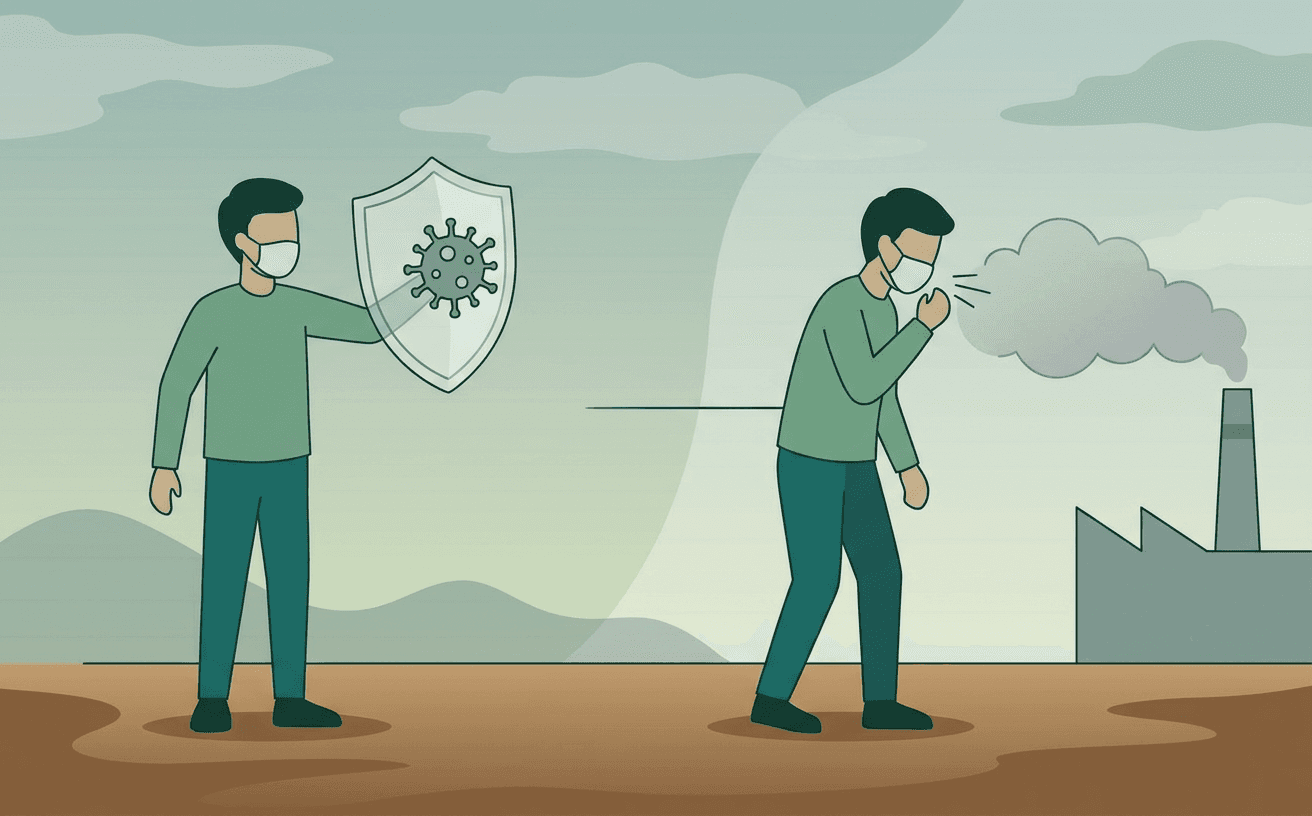
This editorial draws a parallel between the national emergency response to the COVID-19 pandemic and the ongoing, chronic crisis of air pollution in India. It argues that despite both threats causing severe respiratory and systemic health damage, air pollution is often dismissed as a seasonal issue rather than the urgent public health emergency it truly is. The author advocates for applying the lessons learned from pandemic management to tackle the pervasive problem of toxic air quality.
Exam perspectives
The core issue highlighted is the chronic nature of air pollution, primarily driven by particulate matter (PM 2.5 and PM 10) and toxic gases. Unlike a viral outbreak, air pollution is a persistent environmental hazard, often exacerbated by seasonal factors like stubble burning, but fundamentally rooted in systemic issues like vehicular emissions, industrial discharge, and construction dust. The National Clean Air Programme (NCAP), launched in 2019, aims for a 20-30% reduction in particulate matter concentration by 2024, yet progress remains uneven. The editorial suggests that the environmental crisis of poor air quality requires a sustained, year-round mitigation strategy, moving beyond reactive measures like the Graded Response Action Plan (GRAP) implemented only when pollution peaks. For UPSC, understanding the sources of pollution, the efficacy of NCAP, and the limitations of seasonal, reactive policies is crucial.
The contrast between the response to COVID-19 and air pollution highlights a significant gap in public health governance. The pandemic triggered the use of the Disaster Management Act, 2005 and the Epidemic Diseases Act, 1897, demonstrating the state's capacity for rapid, coordinated action during a perceived acute crisis. However, air pollution, despite causing significant long-term morbidity and mortality, lacks a similar emergency framework. This points to a failure in risk perception and policy prioritization. Effective governance requires treating air pollution not just as an environmental issue, but as a severe public health crisis demanding inter-ministerial coordination (Health, Environment, Transport, Urban Affairs) and cooperative federalism, especially in regions like the NCR. The challenge lies in transitioning from episodic crisis management to continuous, proactive environmental governance.
The health impacts of air pollution represent a severe public health burden, affecting the fundamental Right to Life under Article 21 of the Constitution, which the Supreme Court has interpreted to include the right to a clean environment. The editorial notes that the continuous exposure to polluted air—taking 20,000 to 25,000 breaths daily—cumulatively damages multiple organs. This disproportionately affects vulnerable populations, including children, the elderly, and outdoor workers, exacerbating health inequalities. The economic cost of this health burden, in terms of healthcare expenditures and lost productivity, is substantial. A UPSC aspirant should analyze how environmental degradation intersects with social justice and the state's obligation to ensure public health and a safe living environment for all citizens.
Key references
AI-generated study notes, sourced from The Hindu. Verify facts and figures with standard sources.