
Drone industry needs deeper localisation as import dependence poses risks: DFI
Context
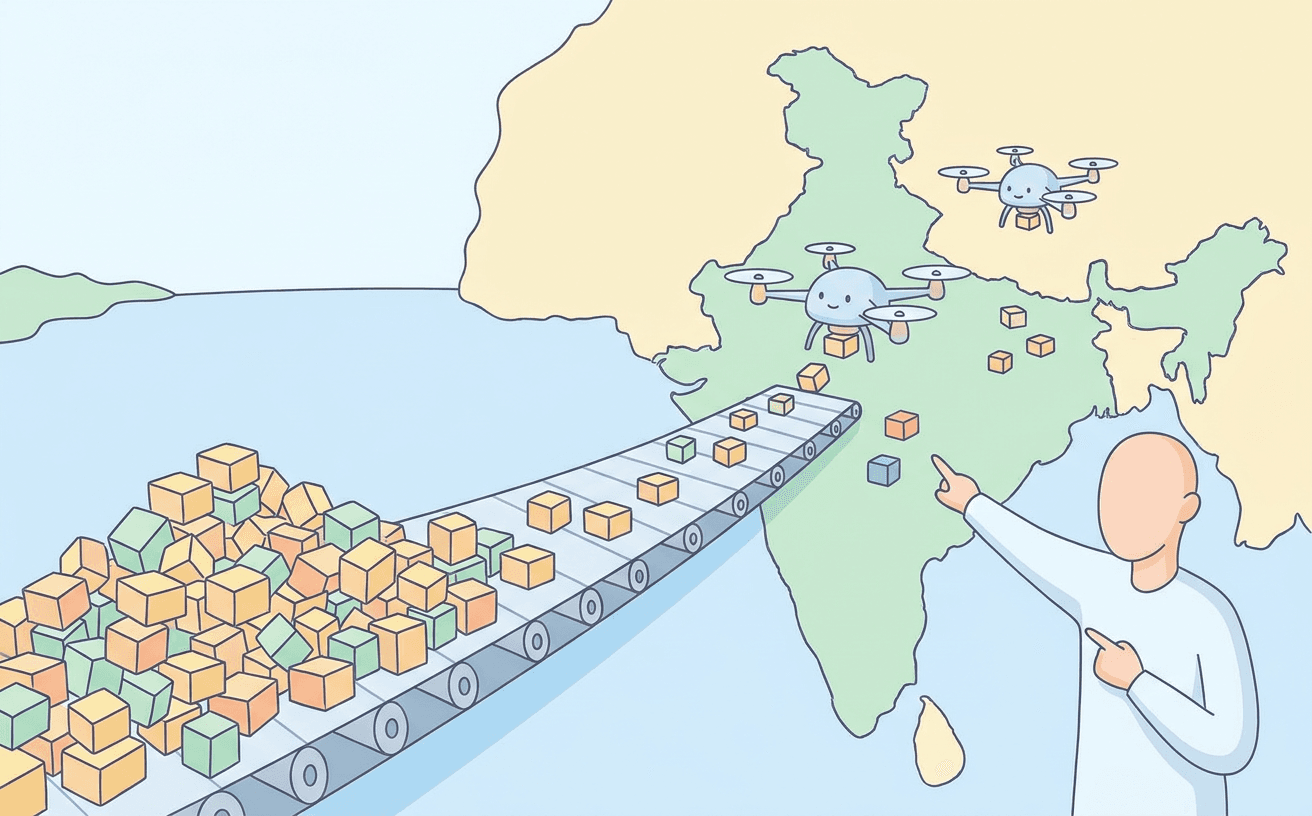
The has highlighted India's vulnerability in the drone sector due to heavy reliance on imported components, particularly from China. Despite progress in domestic drone assembly, critical parts like motors, batteries, and flight controllers remain largely imported, posing strategic risks amid tightening export controls by China.
Exam perspectives
The article underscores the critical need for import substitution and deep localisation in India's nascent drone manufacturing industry. The Drone Federation India (DFI) points out that while India has built a strong assembly base with numerous models receiving Type Certificates (mandatory approval from the Directorate General of Civil Aviation confirming design safety), the supply chain for critical components remains underdeveloped. This reliance creates a vulnerability to supply chain disruptions, especially considering the geopolitical context where single-source dependency on China exists for crucial parts like rare earth magnets (China controls 94% of global production) and autopilots. To achieve Atmanirbhar Bharat (self-reliance), the industry is calling for policy interventions such as phased increases in import duties on components where domestic alternatives exist, defining "drone kits" to prevent circumvention, and mandating domestic content requirements for certification. These measures aim to foster a robust domestic ecosystem, reducing vulnerabilities to external shocks and potentially capturing a significant share of the projected $3.08 billion domestic component market by 2030.
From a strategic standpoint, reliance on foreign-made critical components for drones presents significant national security vulnerabilities. Drones are increasingly vital for defense and border surveillance; thus, a disrupted supply chain can directly impact operational readiness. The progressive tightening of export controls by China on drone-related technologies, including upcoming restrictions on autopilots and motors, highlights the geopolitical weaponization of supply chains. The concept of strategic autonomy is challenged when critical defense equipment relies heavily on potential adversaries or unstable global supply lines. For UPSC, this connects to the broader theme of indigenous defense manufacturing under Make in India and the need to secure critical supply chains for emerging technologies to ensure long-term strategic independence.
The situation highlights the need for a comprehensive policy framework that moves beyond just final assembly to support fundamental R&D and component manufacturing. Developing indigenous capabilities, such as production-grade drone autopilots (which rely on semiconductors), requires patient capital (long-term investment without expectation of quick returns) and specialized infrastructure like testing facilities. The DFI advocates for government interventions such as research grants and collateral-free credit to support smaller manufacturers who face significant hurdles in product development. Furthermore, scaling up the civil drone market is crucial; it provides the necessary volume to make component manufacturing economically viable beyond just defense orders. This requires enabling regulations, such as certification for Beyond Visual Line of Sight (BVLOS) operations and establishing a robust Unmanned Aircraft System Traffic Management (UTM), which currently restrict widespread commercial applications like drone deliveries.
Key references
AI-generated study notes, sourced from The Hindu. Verify facts and figures with standard sources.