
Ethical boundaries to detecting deepfakes: NCERT introduces 20-hour AI module for classes 9-12
Context
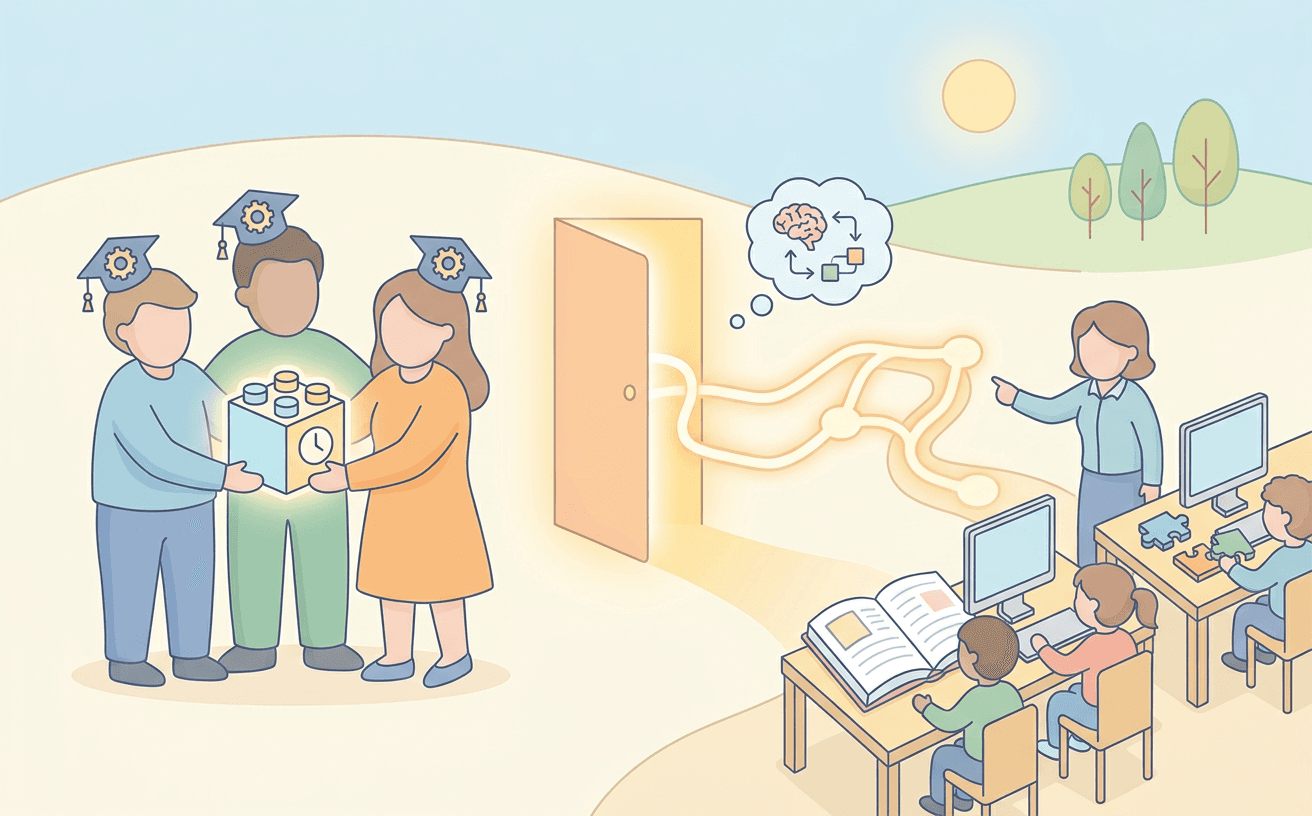
The (), in collaboration with and , has introduced a 20-hour introductory module on computational thinking (CT) and artificial intelligence (AI) for students in classes 9 to 12. This activity-based curriculum aims to educate students on how AI functions, its applications, and limitations, while strongly emphasizing the ethical boundaries of AI use, such as data privacy and detecting deepfakes.
Exam perspectives
This initiative reflects a proactive governance approach to digital literacy in an era dominated by emerging technologies. By integrating AI education into the school curriculum through bodies like the NCERT, the government is addressing the skill gap and preparing a future-ready workforce aligned with the vision of the National Education Policy 2020 (NEP). The module's focus on computational thinking—a problem-solving process that includes formulating problems in a way that a computer can execute—moves beyond simple digital literacy towards critical technological fluency. UPSC aspirants should connect this to broader e-governance initiatives and the necessity of building human capital capable of navigating complex technological landscapes. The reliance on premier institutes like IIT Madras highlights the synergy between educational governance and higher technical institutions in shaping secondary education policies.
The module's specific focus on detecting deepfakes (synthetic media that convincingly replace a person's likeness) and understanding misinformation addresses a critical internal security challenge. The proliferation of AI-generated misinformation poses significant threats to social harmony, electoral integrity, and public order, blurring the lines of cognitive security (protecting a population's perception of truth). By teaching students critical verification skills, the state is building societal resilience against cyber-propaganda at a foundational level. From a UPSC perspective, this links directly to GS Paper 3 topics concerning the role of media and social media in internal security challenges. Aspirants should evaluate how educational interventions can serve as a non-coercive tool to counter the weaponization of information, supplementing legal frameworks like the Information Technology Act, 2000.
The introduction of AI education raises important social considerations regarding the digital divide. The NCERT has noted that activities can be conducted without digital devices to ensure meaningful participation across diverse school contexts. This 'unplugged' approach is crucial for preventing existing socioeconomic inequalities from translating into technological disparities, ensuring equitable access to future-oriented skills. Furthermore, the module emphasizes AI ethics, addressing fairness, bias, and data privacy. This is significant because AI systems, if trained on biased data, can perpetuate and amplify existing social prejudices (e.g., in recruitment or law enforcement algorithms). UPSC questions often focus on the societal impacts of technology; thus, understanding how educational curricula attempt to foster responsible, critical technology users who prioritize human judgment and ethical responsibility over blind reliance on AI is vital.
Key references
AI-generated study notes, sourced from The Hindu. Verify facts and figures with standard sources.