
Heat-trapping carbon pollution drops, but scientists cite Iran war rather than energy progress
Context
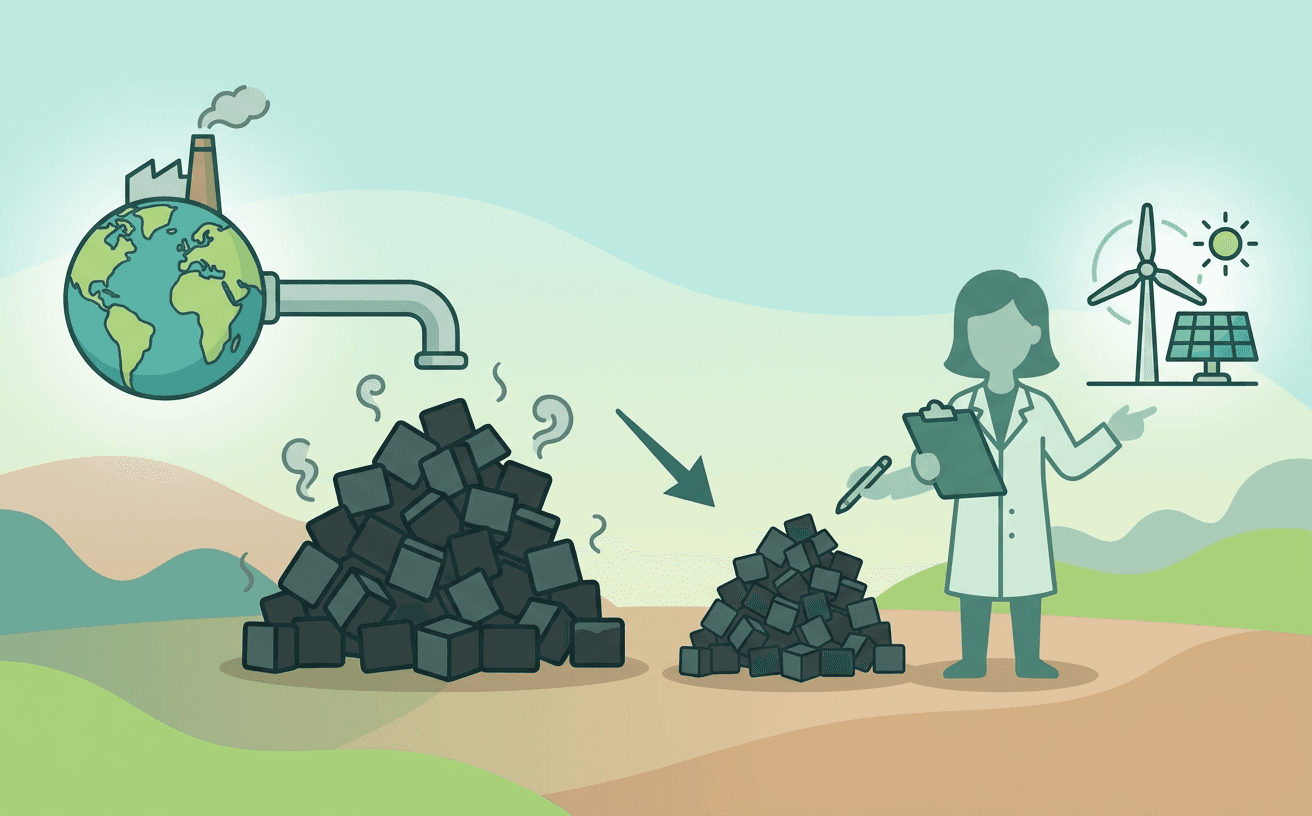
The reported a 0.4% decrease in global carbon dioxide emissions from fossil fuels in 2026, dropping to 42.2 billion tonnes. However, scientists attribute this decline primarily to the ongoing war in Iran and the subsequent closure of the , which caused global oil shocks, rather than a structural shift towards renewable energy. While fossil fuel emissions dropped slightly, overall global CO2 emissions still rose by 1% due to increased land-use changes like deforestation.
Exam perspectives
The data from the Global Carbon Project highlights a critical distinction between temporary emission reductions caused by external shocks and permanent, structural decarbonization. The 0.4% drop in fossil fuel emissions, while seemingly positive, is an artificial decrease. A genuine transition to renewable energy would show a gradual peaking and sustained decline in fossil fuel use, rather than the sharp drop observed due to supply chain disruptions. Furthermore, the report underscores the significant impact of land-use changes, such as deforestation and peat fires, which caused overall global carbon emissions to increase by 1% despite the fossil fuel dip. This indicates that climate change mitigation requires comprehensive strategies addressing both energy systems and natural carbon sinks. The findings are relevant for GS Paper 3 regarding climate change mitigation strategies and the challenges in achieving global emission reduction targets like those set in the Paris Agreement.
The study clearly demonstrates the vulnerability of global energy markets and emissions to geopolitical conflicts. The war in Iran and the closure of the Strait of Hormuz—a critical chokepoint through which approximately 20% of global oil consumption passes—triggered severe supply shocks. This forced a reduction in oil and gas consumption (down 2% and 0.3% respectively), leading to the observed drop in emissions. This highlights the concept of energy security, where nations are exposed to risks from dependence on concentrated fossil fuel sources in volatile regions. From a UPSC perspective, this illustrates the intricate link between international relations, global supply chains, and environmental outcomes. It emphasizes the strategic necessity for countries, particularly major importers like India, to diversify their energy mix and invest in domestic renewable energy to insulate their economies from external geopolitical shocks, a key topic in GS Paper 2 and GS Paper 3.
The economic implications of the report are complex. The immediate consequence of the Strait of Hormuz closure was a spike in global gasoline and oil prices due to restricted supply. While this forced a decrease in consumption, it also provided windfall gains for oil-producing nations and companies outside the affected region. These increased profits could perversely incentivize further exploration and production of fossil fuels elsewhere, potentially offsetting any short-term environmental benefits. Conversely, the report notes optimistic signs from China, where emissions dropped not just due to the oil shock, but seemingly due to a fundamental economic transformation towards green technology, with massive investments in solar, wind, and electric vehicles. This highlights the economic transition required for sustainable development. For UPSC aspirants, understanding the economic drivers of both fossil fuel persistence and the transition to renewable energy is crucial for GS Paper 3 discussions on sustainable economic growth and infrastructure development.
Key references
AI-generated study notes, sourced from The Hindu. Verify facts and figures with standard sources.