
Himalaya approaching tipping point, report says
Context
A recent study warns that the are approaching a tipping point due to accelerated glacier melt, threatening the region's water security. The report highlights the phenomenon of 'peak water' expected by mid-century and the increasing risk of disasters, as evidenced by a recent glacier collapse on the Nepal-Tibet border causing mass casualties.
Exam perspectives
The concept of an ecological tipping point (a critical threshold where a system changes irreversibly) is central to this issue. The accelerated melting of Himalayan glaciers, part of the Hindu Kush-Himalaya region, underscores the severe impacts of climate change on high-altitude cryospheres. This region is often termed the 'Third Pole' due to its massive ice reserves. The study highlights a crucial monitoring gap, noting that only 21 out of an estimated 40,000 glaciers are currently monitored on the ground. For UPSC, understanding the mechanics of glacial retreat and the formation of unstable glacial lakes (moraine-dammed lakes) is vital. Candidates should be prepared to discuss the long-term ecological consequences of losing these freshwater reserves and the challenges in implementing effective Glacier Monitoring Strategies.
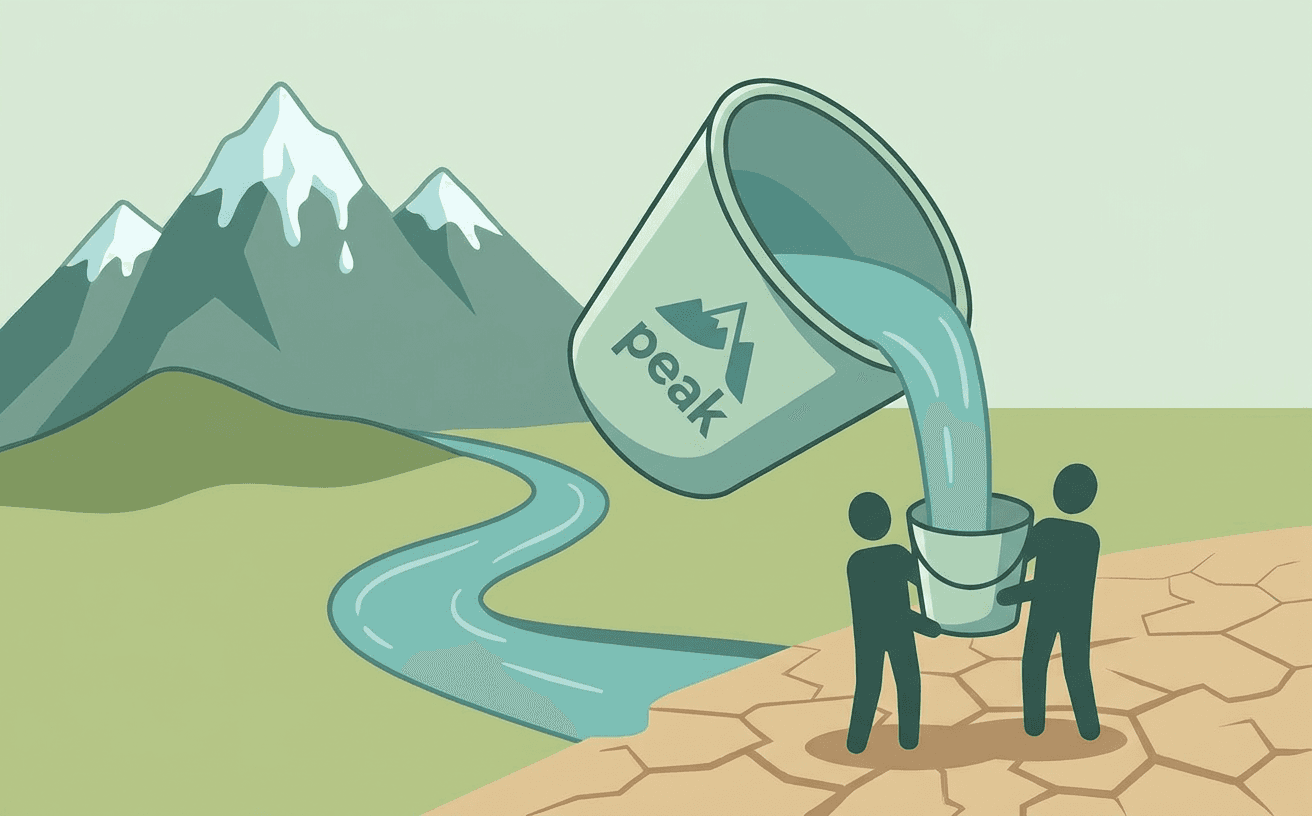
From a physical geography perspective, the Himalayas play a fundamental role in shaping the climate and hydrology of the Indian subcontinent. The phenomenon of 'peak water' (the point where river flows reach their maximum before beginning a long-term decline) is critical. The Himalayan river systems (Indus, Ganga, Brahmaputra) are primarily glacier-fed. Reaching 'peak water' implies a future of diminished base flows during dry seasons, directly impacting water availability for agriculture, drinking, and hydropower downstream. This shifts the focus from managing floods to managing profound water scarcity. Furthermore, the geography of the region makes it highly susceptible to Glacial Lake Outburst Floods (GLOFs), a form of cascading hazard where a glacier lake breaches its natural dam, causing catastrophic downstream flooding and landslides.
The economic implications of a destabilized Himalayan ecosystem are vast. The study notes that the region underpins more than 20% of India’s GDP. This economic reliance stems from the ecosystem services provided by the mountains, primarily consistent water supply for agriculture (the backbone of the rural economy) and the generation of Hydroelectric Power. A decline in river flows post-'peak water' will threaten agricultural yields and energy security, demanding massive investments in alternative water management and energy infrastructure. Moreover, the increased frequency of disasters—accounting for 35% of natural disasters despite being 18% of the landmass—imposes heavy economic costs in terms of infrastructure damage, loss of life, and reconstruction, stressing state and central budgets. The need for climate-resilient infrastructure and robust Disaster Risk Reduction (DRR) frameworks becomes an urgent economic imperative.
Key references
AI-generated study notes, sourced from The Hindu. Verify facts and figures with standard sources.