
India, Egypt discuss steps to boost trade, address non-tariff barriers
Context
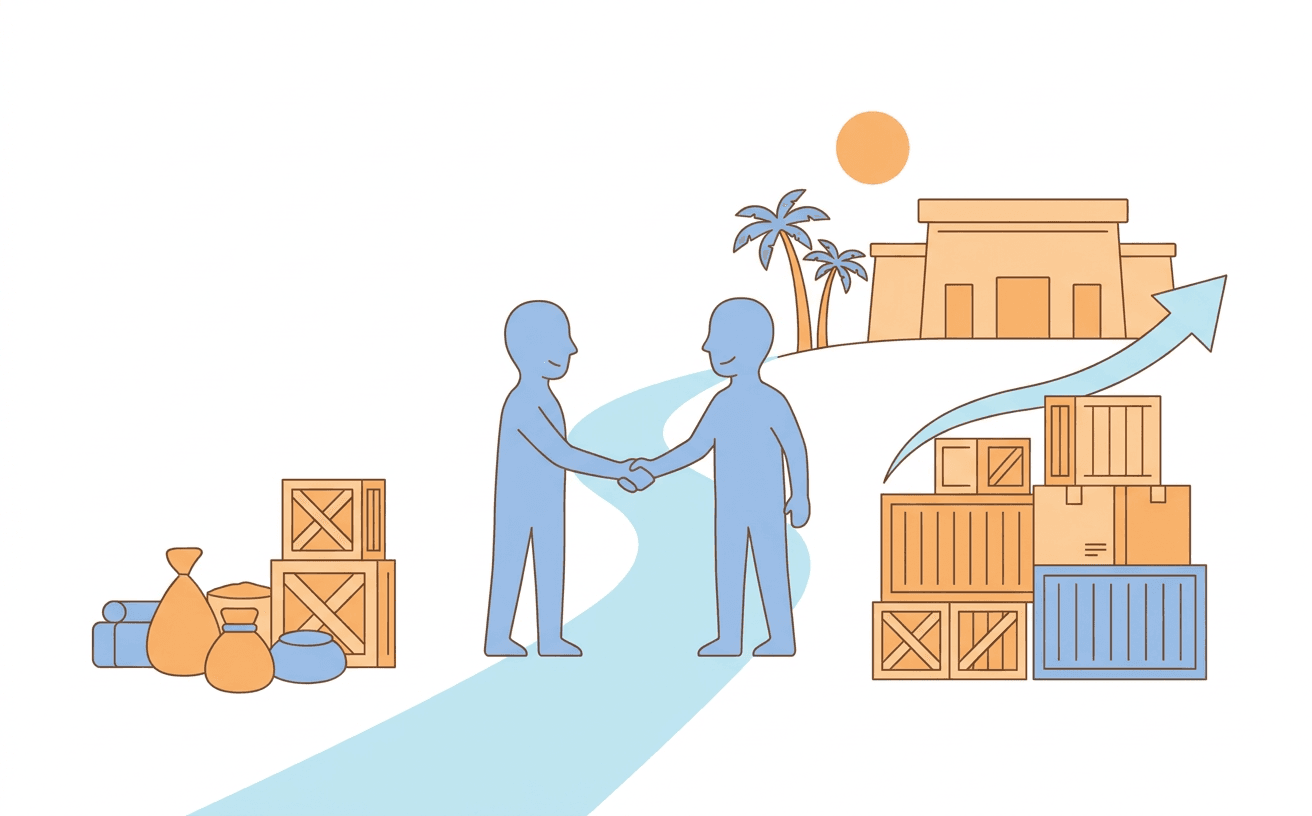
India and Egypt held the meeting in Cairo, setting a target to nearly double bilateral trade to $12 billion. The two nations are exploring a (PTA) or (FTA) and discussed reducing non-tariff barriers, expanding joint manufacturing, and establishing institutional frameworks to strengthen economic ties.
Exam perspectives
India’s outreach to Egypt aligns with its broader strategy of engaging the 'Global South' and strengthening ties with key players in the Middle East and North Africa (MENA) region. Egypt's geopolitical location, controlling the Suez Canal (a critical maritime choke point connecting the Mediterranean and Red Seas), makes it a vital partner for India's maritime security and trade routes. A stronger partnership with Egypt provides India with a strategic gateway to African, Arab, and European markets, supporting India's export-driven economic goals. In the context of UPSC, this development is crucial for analyzing India’s bilateral relations in GS Paper 2, specifically regarding economic diplomacy and strategic partnerships in West Asia and North Africa.
The focus on reducing non-tariff barriers (NTBs)—such as complex product registrations and regulatory procedures—is essential for facilitating smoother trade flows. NTBs are often more restrictive than traditional tariffs and addressing them is a key component of modern trade negotiations. The proposal to explore a Preferential Trade Agreement (PTA) or Free Trade Agreement (FTA) indicates a shift towards institutionalizing trade relations, which can lead to tariff reductions and improved market access. By targeting specific sectors like pharmaceuticals, renewable energy, and emerging technologies, India aims to diversify its export basket and integrate into regional supply chains. The emphasis on joint manufacturing and cross-investments, particularly utilizing Egypt's industrial zones, reflects a strategy to move beyond transactional trade towards deeper economic integration.
Egypt's strategic location is central to its value as an economic partner. Situated at the crossroads of Africa, Asia, and Europe, and possessing the Suez Canal, Egypt serves as a pivotal logistics hub for global trade. For Indian businesses, establishing manufacturing or export-oriented operations in Egypt offers a significant logistical advantage, providing shorter transit times and reduced shipping costs to European and African markets. This geographical advantage is particularly relevant for Indian exporters seeking to diversify their markets and build resilient supply chains, a concept important for both GS Paper 1 (Economic Geography) and GS Paper 3 (Infrastructure and Supply Chain Management).
Key references
AI-generated study notes, sourced from The Hindu. Verify facts and figures with standard sources.