
India rejects UN rapporteur's 'India-based' label for Dawood Ibrahim's D-Company
Context
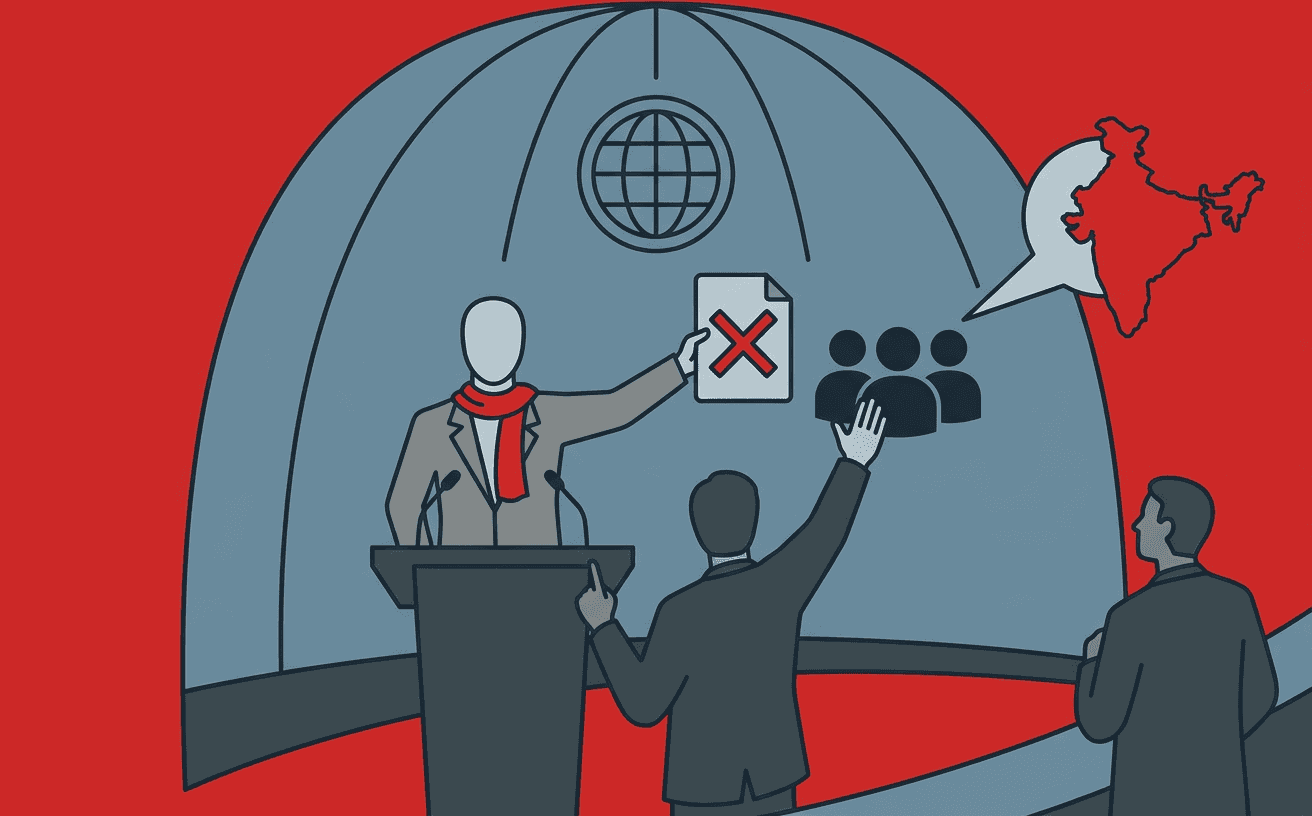
India strongly objected to a report describing Dawood Ibrahim’s as an "India-based" criminal group. India's representative at the 's Third Committee highlighted that Dawood Ibrahim fled India prior to his 2003 listing by the and is wanted for the 1993 Mumbai terror attacks, emphasizing that he resides in Pakistan.
Exam perspectives
The intersection of organized crime and terrorism is a critical internal security challenge for India. The D-Company, originally a Mumbai-based organized crime syndicate involved in extortion, smuggling, and contract killing, evolved into a terrorist organization by orchestrating the 1993 Mumbai serial blasts. This marked a paradigm shift, demonstrating the nexus between transnational criminal networks and state-sponsored terrorism. The UN designated Dawood Ibrahim as a global terrorist under the 1267 Al-Qaeda Sanctions Committee in 2003, recognizing his association with Al-Qaeda. India's objection highlights the need for accurate international classification to hold state sponsors of terrorism accountable and prevent the dilution of the terror narrative. UPSC often tests understanding of how organized crime facilitates terrorism through terror financing, arms smuggling, and logistical support.
India's response underscores its proactive diplomatic strategy to counter the narrative of cross-border terrorism and hold Pakistan accountable on multilateral forums. By pointing out that Dawood Ibrahim resides in the same country where Osama bin Laden was found (Pakistan), India strategically reinforces the image of Pakistan as a safe haven for designated terrorists. This ties into India's broader objective at the United Nations to push for the adoption of the Comprehensive Convention on International Terrorism (CCIT), which aims to provide a universal definition of terrorism and eliminate safe havens. The incident also highlights the complexities of engaging with UN mandate holders and the necessity for rigorous fact-checking within international institutions to maintain their credibility and legitimacy.
The incident reveals the operational dynamics and potential flaws within the UN human rights reporting mechanisms. UN Special Rapporteurs are independent experts appointed by the UN Human Rights Council to examine and report on specific country situations or thematic issues. While their independence is crucial, India’s critique points to the lack of accountability when these experts publish reports containing factual inaccuracies. This raises questions about the oversight mechanisms within the UN system and the impact of flawed reports on the fight against terrorism. For UPSC, understanding the structure of the UN, including the UN General Assembly (specifically the Third Committee which deals with social, humanitarian, and cultural issues) and the role of special mandate holders, is important for analyzing global governance structures.
Key references
AI-generated study notes, sourced from The Hindu. Verify facts and figures with standard sources.