
Indian refiners’ fuel exports to West surge 43% amid Russian crude imports
Context
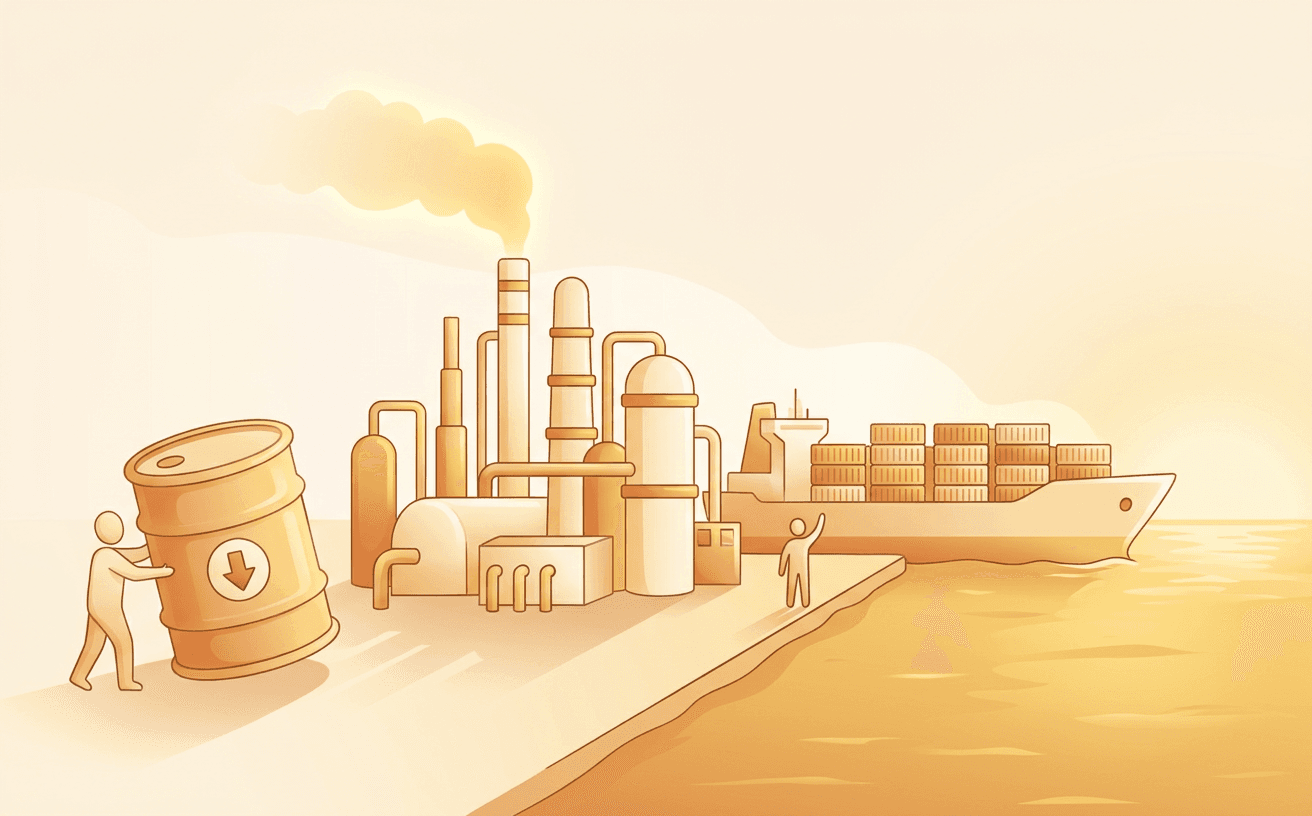
According to a report by the , Indian refiners utilizing discounted Russian crude oil have significantly increased their exports of refined petroleum products to Western countries that have sanctioned Russia. While India's overall import of Russian crude slightly declined recently, it remains the second-largest buyer globally, leveraging the situation to become a major supplier of refined fuels to the and other Western markets.
Exam perspectives
This development highlights India's strategic positioning within the global energy security framework and its ability to capitalize on geopolitical shifts. The European Union and G7 nations imposed a price cap on Russian crude oil to limit Moscow's revenue while keeping the oil flowing to prevent a global price spike. Indian refiners, primarily private players like Reliance Industries Limited (RIL) and Nayara Energy, have benefited by purchasing this discounted Russian Urals crude and refining it into high-demand products like diesel and jet fuel. This practice, often termed as 'laundering' by advocacy groups like CREA, is currently legal under the sanctions regime because the rules dictate that once crude oil is substantially transformed (refined) in a third country, the resulting products are considered to originate from that third country, not Russia. This scenario is crucial for UPSC Mains GS Paper 3 (Economy), specifically concerning trade dynamics, balance of payments, and the role of the downstream petroleum sector in India's export economy.
The situation presents a complex diplomatic balancing act for India, a core theme in GS Paper 2 (International Relations). India has maintained a stance of strategic autonomy, prioritizing its national interest and energy security over Western pressure to isolate Russia. By acting as a critical intermediary—purchasing Russian crude and supplying refined products to the West—India effectively helps stabilize global energy markets while indirectly fulfilling the West's energy needs, despite their own sanctions. This dynamic illustrates the concept of complex interdependence in international relations. The West, while critical of India's crude purchases, tacitly accepts this arrangement as it prevents severe fuel shortages and inflation in their own economies. Questions in UPSC could focus on how India navigates its relationships with traditional partners (Russia) and strategic partners (US/Europe) amidst global crises, and the implications of this 'middleman' role for its global standing.
From a policy and governance perspective, this scenario underscores the debate surrounding the effectiveness and unintended consequences of economic sanctions. The CREA report suggests closing the 'loophole' by banning refined products based on the origin of the crude, not just the location of the refinery. Implementing such a policy (which the EU currently plans for 2026, though with exemptions) would require complex tracking mechanisms like rules of origin certifications, which are notoriously difficult to enforce in the global oil market due to blending and fungibility. For UPSC, understanding how international trade regulations, such as those governed by the World Trade Organization (WTO), interact with unilateral or multilateral sanctions is vital. It also brings into focus India's own domestic energy policies and the role of its large refining capacity, centered in hubs like Jamnagar, as a strategic economic asset.
Key references
AI-generated study notes, sourced from The Hindu. Verify facts and figures with standard sources.