
India’s place in the emerging global energy order
Context
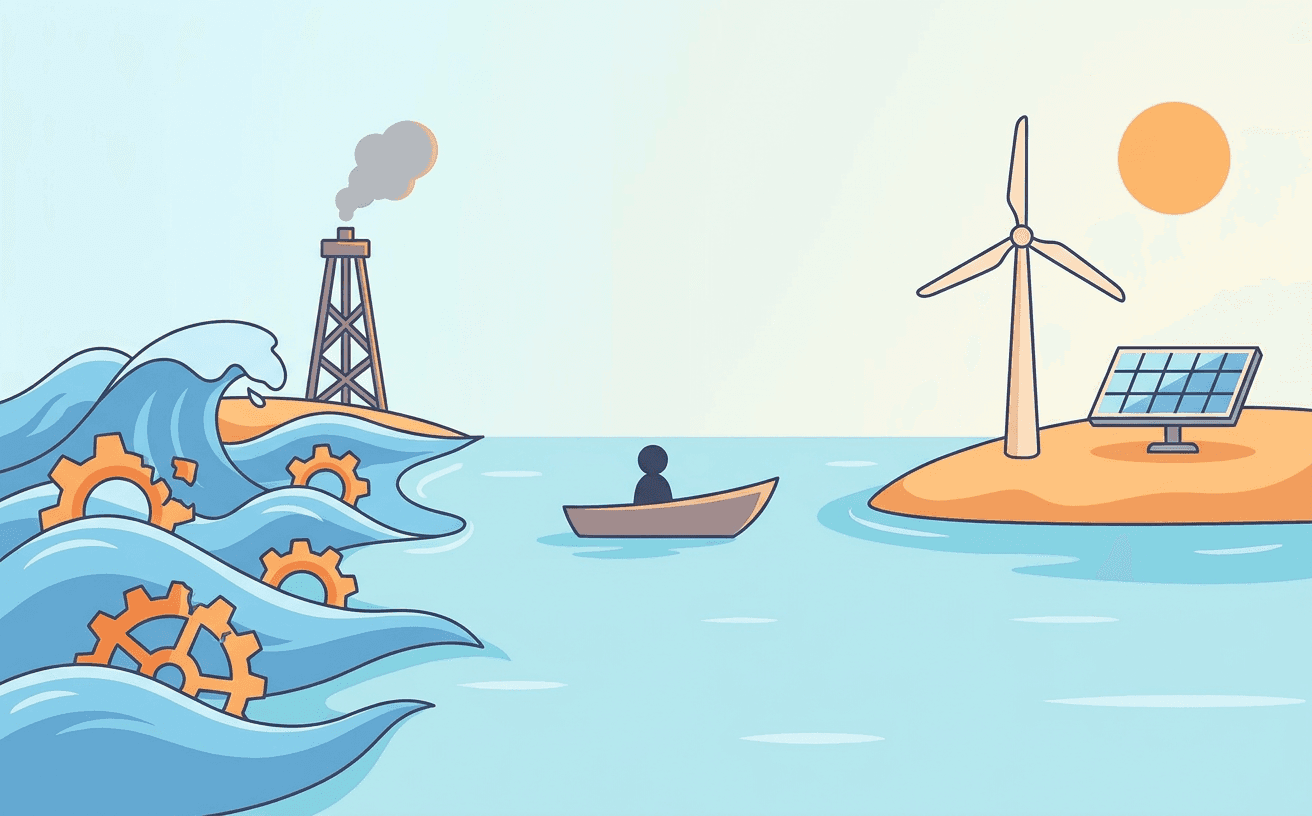
The global energy order is undergoing significant turbulence driven by climate change imperatives, geopolitical conflicts (Ukraine, Middle East), and structural shifts like the rise of renewables and shale gas. This article analyses the fault lines in the current fossil fuel-dominated system, highlighting the urgent need for a transition towards a more secure, equitable, and sustainable energy paradigm amidst growing demand and supply disruptions.
Exam perspectives
The current global energy architecture is highly vulnerable to geopolitical shocks, primarily because fossil fuel resources are geographically concentrated. The article highlights how ongoing conflicts, particularly those affecting the Strait of Hormuz, create severe bottlenecks. The Strait of Hormuz is a critical maritime chokepoint, handling a significant portion of global oil and gas transit. When geopolitical tensions involving major actors like the US, Israel, and Iran escalate in such regions, it immediately disrupts global supply chains. This disruption disproportionately affects oil-importing nations, leading to price volatility and threatening energy security. For UPSC Mains (GS2), this underscores the concept of geoeconomics, where economic resources (like energy) become tools or casualties of geopolitical strategy. Candidates should connect this to India's strategic petroleum reserves and diplomatic efforts to diversify energy imports, illustrating how geopolitical instability necessitates robust national energy security strategies.
The article starkly illustrates the unsustainability of the current energy mix, where fossil fuels still account for an overwhelming majority (projected ~86% in 2025) of primary energy supply. This reliance is the primary driver of anthropogenic global warming, pushing the world towards a dangerous 2.5°C temperature rise by 2100, far exceeding the 1.5°C threshold identified by the IPCC for avoiding irreversible climate impacts. The failure of recent climate summits (like the mentioned COP31, though note the latest was COP28 in 2023) regarding the phase-out of fossil fuels and the operationalisation of funding mechanisms like the Loss and Damage Fund highlights the global deadlock. For GS3 (Environment), this emphasizes the immense challenge of the energy transition. The tension is between the urgent need for mitigation (reducing emissions) and the economic realities of developing nations that still rely heavily on cheaper, albeit polluting, fossil fuels. The focus must be on accelerating the adoption of low-carbon sources (renewables, nuclear) while managing the socio-economic impacts of transitioning away from coal and oil.
A crucial fault line explored is energy inequality and its developmental costs, often termed energy poverty. While global energy demand has tripled, millions still lack basic electricity access, and billions rely on polluting cooking fuels. Conversely, advanced economies are seeing massive energy consumption driven by new technologies like gigawatt-sized data centres, creating a stark disparity between the 'Global North' and 'Global South'. This connects to the concept of energy intensity (the amount of energy needed to produce a unit of GDP) and the overarching goal of sustainable development. The disruptions caused by geopolitical conflicts lead to price spikes in vital commodities like oil and gas, which have cascading inflationary effects globally, particularly impacting transportation and agriculture sectors in developing continents like Africa and Asia. From an economic policy perspective (GS3), managing this volatility requires a delicate balance: investing heavily in domestic renewable capacity (like the National Solar Mission) to reduce import dependence, while simultaneously ensuring energy affordability to sustain economic growth and poverty alleviation.
Key references
AI-generated study notes, sourced from The Hindu. Verify facts and figures with standard sources.