
Liberia-flagged VLCC hit in Persian Gulf, six Indian seafarers aboard: Sarbananda Sonowal
Context
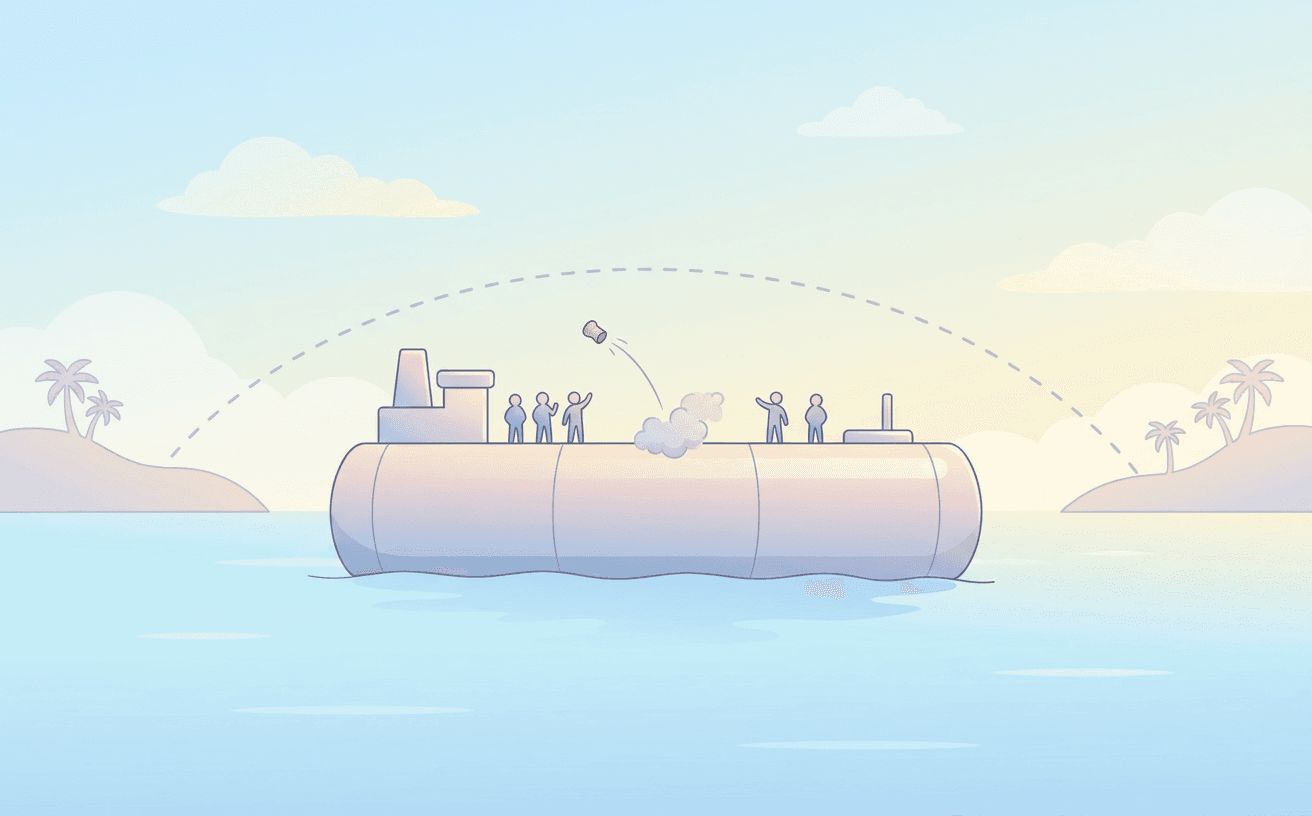
A Liberia-flagged Very Large Crude Carrier (VLCC), MT FUJAIRAH ENERGY, was hit by a projectile in the Persian Gulf while traveling from Al Ruwais to Dubai. The vessel had six Indian seafarers aboard, one of whom sustained minor injuries. The is monitoring the situation and ensuring the safety and well-being of the Indian crew members.
Exam perspectives
The incident highlights the volatile security environment in the Middle East, particularly the Persian Gulf, a critical chokepoint for global energy supplies. The region is a hotbed of geopolitical rivalries involving major regional powers and extra-regional actors. Such attacks on commercial vessels threaten Freedom of Navigation, a principle enshrined in the United Nations Convention on the Law of the Sea (UNCLOS). This disruption can lead to increased insurance premiums for shipping, affecting global supply chains and energy security. For UPSC, this connects to the broader theme of maritime security in the Indian Ocean Region (IOR) and its extended neighborhood, and the strategic importance of protecting Sea Lines of Communication (SLOCs).
The Persian Gulf is a major artery for global oil trade. Any disruption in this region can have a cascading effect on global oil prices. A VLCC (Very Large Crude Carrier) typically carries around 2 million barrels of oil. Attacks on such vessels elevate the risk premium associated with transporting energy resources from the Middle East. For India, which imports a significant portion of its crude oil requirements, such instability directly impacts energy security and can contribute to imported inflation (inflation caused by a rise in the price of imported goods). This underscores the need for India to diversify its energy sources and build strategic petroleum reserves to insulate its economy from geopolitical shocks in the Middle East.
The incident brings to focus the role of the Indian government in protecting its diaspora and citizens working abroad. Indian seafarers form a substantial part of the global maritime workforce. The swift response by the Ministry of Ports, Shipping and Waterways, as indicated by the Minister, demonstrates the government's commitment to the welfare of its citizens in distress overseas. This relates to the broader mandate of the Ministry of External Affairs and its mechanisms for providing consular assistance and ensuring the safety of Indians in conflict zones or crisis situations. For the exam, understanding the institutional framework and proactive measures taken by the government for diaspora welfare is crucial.
Key references
AI-generated study notes, sourced from The Hindu. Verify facts and figures with standard sources.