
Lula’s win gives Brazil an opportunity to cement its climate leadership, but challenges remain
Context
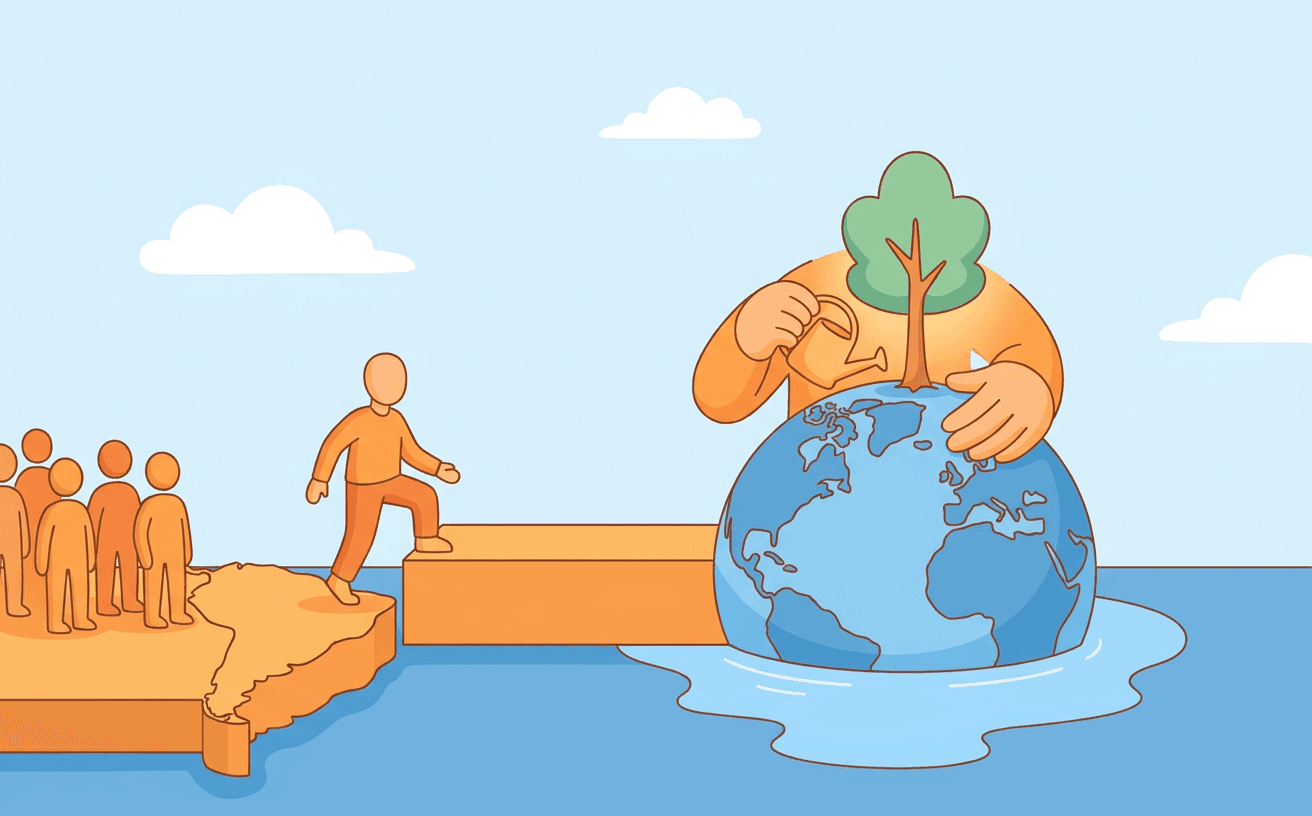
Luiz Inácio Lula da Silva's fourth term as Brazil’s President solidifies a left-wing presence in Latin America and positions Brazil as a critical player in global climate diplomacy. Given Brazil's unique status—encompassing the Amazon rainforest, a major economy, and significant diplomatic ties—Lula faces the dual challenge of curbing deforestation while managing domestic economic reliance on fossil fuels and agriculture. His leadership offers potential for international climate cooperation, but domestic political constraints and the complex economic realities of the Amazonian nations pose significant hurdles.
Exam perspectives
Brazil’s role is central to global environmental strategy due to its stewardship of the Amazon rainforest, often termed the 'lungs of the Earth.' The article highlights the challenge of deforestation driven by agriculture and illegal mining. Lula's efforts to revive the Amazon Cooperation Treaty Organisation (ACTO) underscore a regional approach to conservation, emphasizing cross-border enforcement and the inclusion of Indigenous groups. However, the failure of the 2023 Belém Declaration to secure a binding deadline to end deforestation reveals the tension between environmental goals and economic development. The establishment of the Tropical Forest Forever Facility (TFFF), backed by international funding, represents an innovative climate finance mechanism aimed at compensating nations for preserving standing forests, rather than just reducing emissions.
Brazil’s unique diplomatic positioning allows it to act as a bridge between the Global North and South. As a member of the BRICS grouping and a country with strong ties to the US, EU, and China, Brazil under Lula can facilitate complex climate negotiations. The article notes Brazil's potential role in mediating disputes, such as China's push against protectionist trade measures on clean energy technologies at COP31, contrasting with US and EU concerns over reliance on Chinese manufacturing. Furthermore, Brazil’s involvement in international efforts to transition away from fossil fuels, despite being a major oil producer itself, highlights a pragmatic approach to global governance. The potential ratification of the EU-Mercosur trade agreement, which ties trade to compliance with the Paris Agreement, illustrates the increasing integration of climate commitments into international trade frameworks.
The article underscores the domestic political challenges that can derail international climate commitments. Lula faces a conservative Congress, which may constrain his ability to secure budgetary allocations necessary for sustained environmental protection and social programs. This highlights the vulnerability of climate policies to political transitions; a change in administration can lead to 'policy whiplash,' where previous commitments are abandoned. The reliance on Lula's personal political authority to drive these initiatives points to a need for stronger institutional frameworks within Brazil to ensure the long-term viability of climate action, particularly leading up to critical milestone years like 2030.
Key references
AI-generated study notes, sourced from The Hindu. Verify facts and figures with standard sources.