
Over 1 crore HPV vaccines given to 14-year-old girls in nine months: Health Ministry
Context
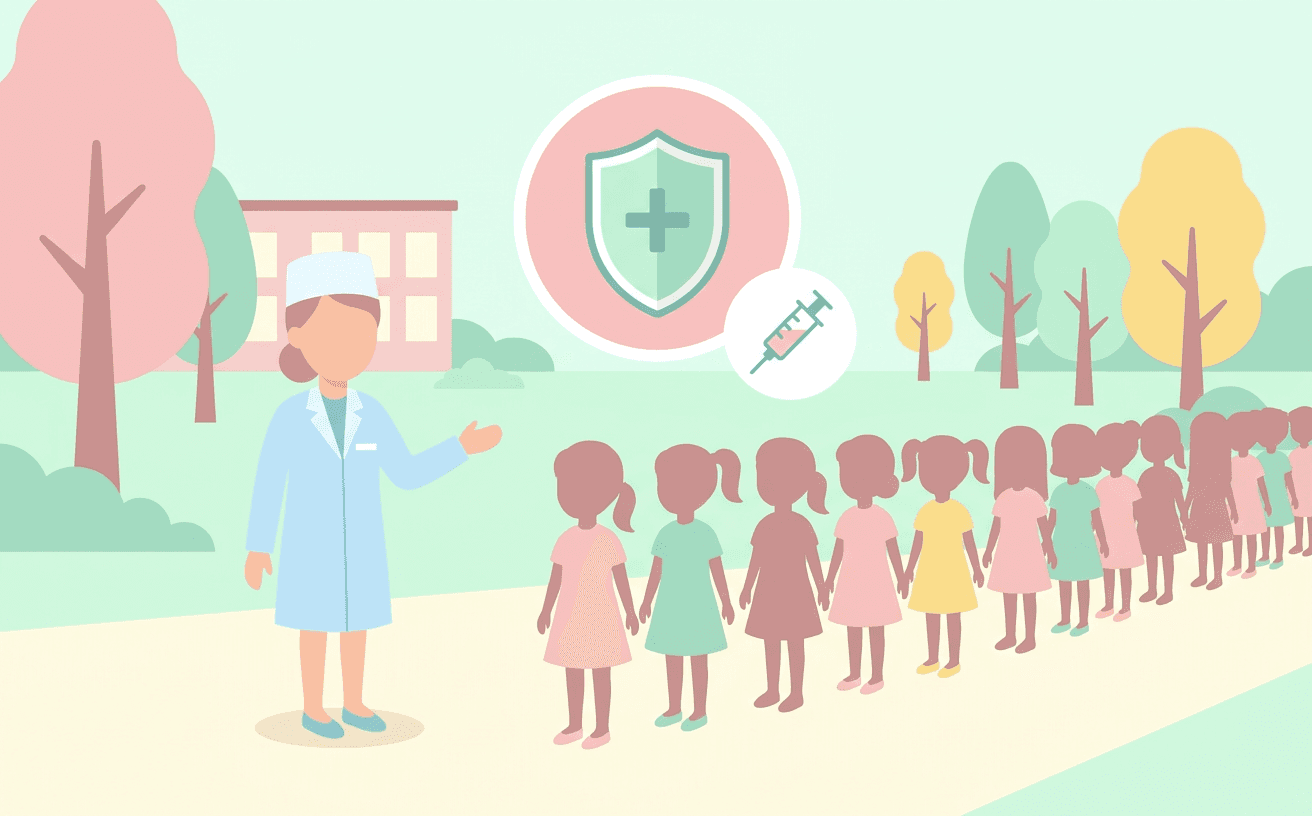
The announced that over 1 crore doses of the Human Papillomavirus (HPV) vaccine have been administered to 14-year-old girls under a national vaccination campaign launched in February. The initiative has achieved nearly 87% of its annual target in just nine months, demonstrating significant progress in preventive healthcare for adolescent girls in India.
Exam perspectives
The success of the HPV vaccination drive highlights effective cooperative federalism and decentralized implementation. Achieving 100% coverage in six states and high rates in several others demonstrates strong coordination between the Centre, State Governments, and local administrations. The use of the U-WIN platform, a digital public infrastructure similar to CoWIN, represents a significant governance reform in public health management. It allows for real-time tracking, resource allocation, and identifying coverage gaps, which is crucial for the efficient delivery of welfare schemes. This digital approach also addresses issues of vaccine hesitancy and accessibility by empowering parents to book slots directly.
The campaign is a pivotal step in preventive healthcare and improving maternal and child health outcomes. By targeting a specific demographic (14-year-old girls), the government is prioritizing a vulnerable group for a disease (cervical cancer) that is highly preventable. The voluntary nature of the vaccine, coupled with community engagement involving healthcare professionals and institutions like AIIMS, underscores a shift towards health literacy and informed consent. Addressing the social determinants of health, such as access to information and healthcare facilities, is essential for reducing the disease burden and achieving equitable health outcomes.
The HPV vaccine is a critical intervention against high-risk HPV infections, which are the primary cause of cervical cancer. The integration of this vaccine into the national immunization schedule is a major public health milestone, aligning with global efforts to eliminate cervical cancer. The campaign's focus on a single-dose regimen (for 14-year-olds) is a cost-effective strategy that maximizes coverage while ensuring efficacy. The provision of 24x7 healthcare arrangements for managing Adverse Events Following Immunization (AEFI) demonstrates a robust pharmacovigilance system, which is essential for maintaining public trust in vaccination programs.
Key references
AI-generated study notes, sourced from The Hindu. Verify facts and figures with standard sources.