
Poland pivots towards India as ‘strategic partnership’ with China develops cracks
Context
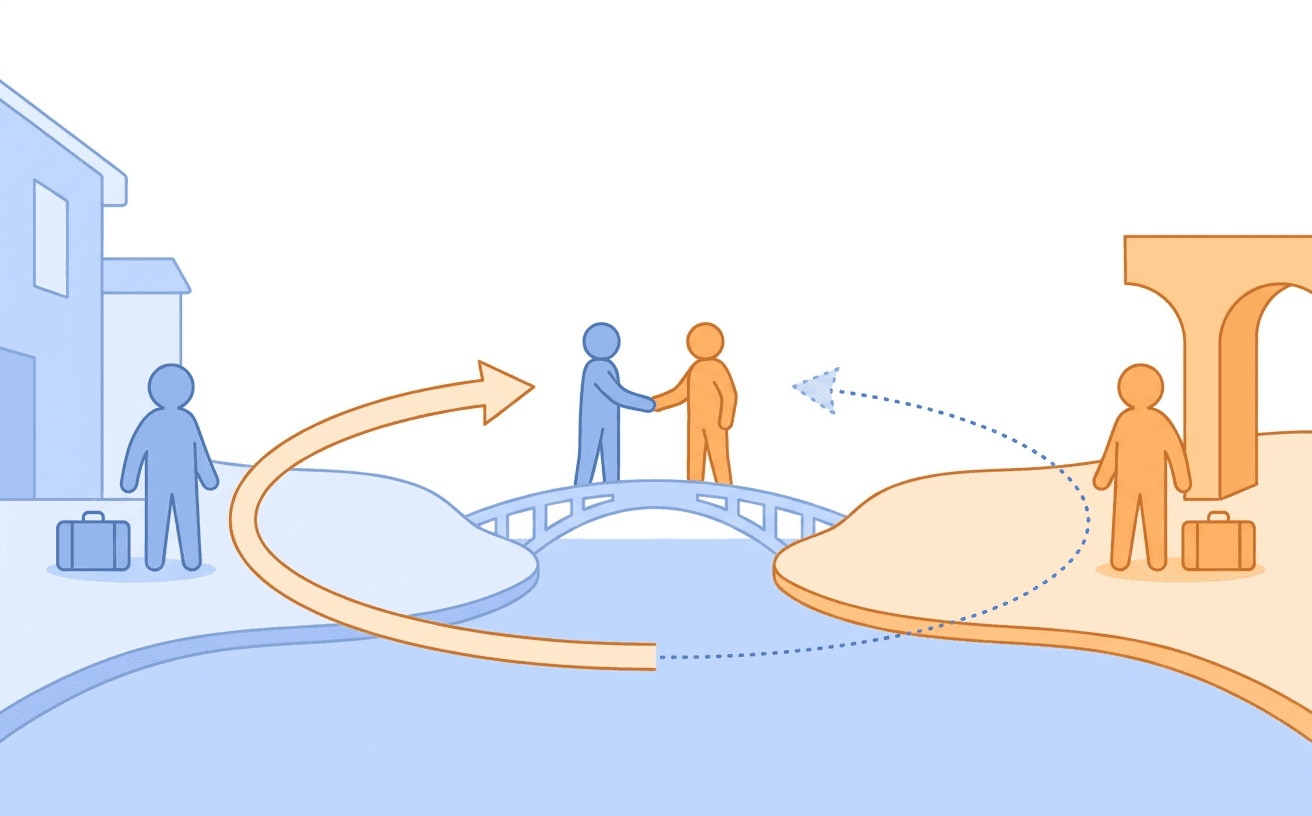
Polish Prime Minister Donald Tusk recently visited India, marking the first such visit in 16 years. This follows Indian Prime Minister Narendra Modi's historic visit to Poland in August 2024, the first by an Indian PM in 45 years. These high-level exchanges signal a deepening of the India-Poland relationship, recently elevated to a 'Strategic Partnership', particularly in the context of Poland's cooling relations with China.
Exam perspectives
The strengthening of India-Poland ties must be viewed through the lens of shifting global geopolitics. Poland, a key member of the European Union and NATO, has historically sought strong economic ties with China, participating in formats like the 17+1 initiative (a China-led forum for cooperation with Central and Eastern European countries). However, this relationship has developed cracks due to China's ambiguous stance on the Russia-Ukraine war and Poland's growing security concerns regarding Russia. This presents an opportunity for India. By engaging with Poland, India is implementing a strategy of multi-alignment, building partnerships across different blocs without formal alliances. For UPSC, it is crucial to analyze how India leverages changing dynamics within Europe, specifically the growing wariness towards China in Central and Eastern Europe, to enhance its own strategic footprint and economic interests.
The elevation of ties to a Strategic Partnership during PM Modi's 2024 visit signifies a shift from a transactional relationship to one based on shared long-term interests. Key areas of focus include defence cooperation, an area where India is seeking to modernize its military and diversify its suppliers away from Russia. Poland, with its established defence industry, can be a valuable partner. Furthermore, economic cooperation is a priority, with potential for increased trade and investment in sectors like IT, food processing, and green technologies. The UPSC mains exam often asks to evaluate the significance of specific bilateral relationships. In this case, aspirants should focus on the transition from historical goodwill (India's assistance to Polish refugees during WWII) to contemporary strategic alignment, particularly how Poland can act as a gateway for India into the wider Central European market.
From a governance and policy perspective, sustaining this momentum requires consistent high-level engagement and follow-through on commitments made during these summits. The long gaps between prime ministerial visits (16 years and 45 years respectively) highlight past neglect. To build a robust partnership, institutional mechanisms like Joint Working Groups need to be revitalized. Furthermore, fostering people-to-people ties, particularly through educational exchanges and tourism, is essential for building a strong foundation. For the interview stage, understanding the historical context, such as the Jamnagar Maharaja's refuge for Polish children during World War II, adds depth to the analysis of the bilateral relationship.
Key references
AI-generated study notes, sourced from The Hindu. Verify facts and figures with standard sources.